It’s a symptom of deeper health issues: How ancient medicine decodes modern hair loss
12/08/2025 / By Willow Tohi
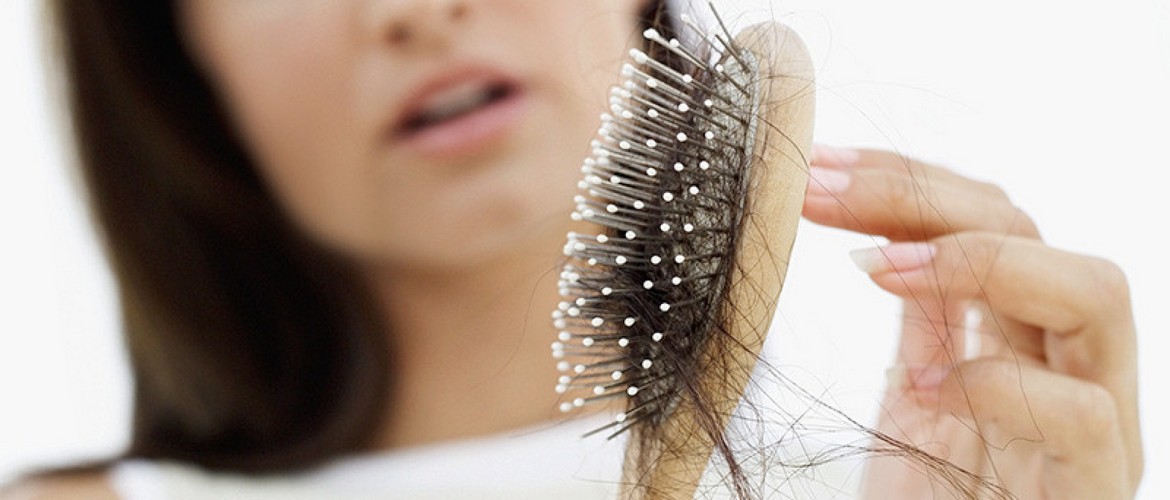
- Hair loss is often a sign of deeper internal imbalances, such as blood deficiency, chronic inflammation (“damp-heat”), or stress, according to Traditional Chinese Medicine (TCM).
- TCM approaches target these root causes with personalized herbal teas, acupressure and lifestyle adjustments to support hair health from within.
- Modern science corroborates key TCM concepts, linking high-sugar diets and chronic stress to increased inflammation and hormonal shifts that disrupt hair growth cycles.
- Simple at-home practices, including targeted scalp massage with a wide-toothed comb and acupressure, can improve circulation to hair follicles.
- Foundational lifestyle habits—managing stress, prioritizing sleep and eating a balanced diet—are critical for addressing the systemic issues that manifest as hair thinning.
For millions confronting thinning hair, the search for answers often leads to a frustrating cycle of topical treatments and hormonal explanations. Yet, a growing perspective from Traditional Chinese Medicine (TCM) suggests that hair loss is frequently not an isolated condition but a visible signal of deeper, systemic imbalances within the body. This holistic framework, which connects scalp health to constitution, emotional well-being and inflammatory patterns, is gaining relevance today as modern research begins to validate its core principles, offering a more nuanced approach to restoration.
The internal landscape of hair health
In TCM, robust hair growth is seen as an outward reflection of internal abundance and smooth function. Practitioners diagnose hair loss by identifying underlying patterns that disrupt this harmony. A common pattern is “blood deficiency,” where insufficient or poor-quality blood fails to nourish the scalp, prioritizing vital organs instead. Another is “kidney yin deficiency,” relating to the essence that governs aging, often manifesting as dry, brittle hair. Perhaps most pertinent to contemporary lifestyles is the “damp-heat” constitution, a state of chronic, low-grade inflammation. This pattern, exacerbated by diets high in sugar and refined carbohydrates, mirrors modern understandings of how systemic inflammation and glycemic stress can damage hair follicles. A 2023 study in Nutrients reinforced this, finding young men with high sugar-sweetened beverage intake had over three times the risk of hair loss.
The stress connection and the scalp’s telltale signs
The impact of chronic stress provides a powerful bridge between ancient observation and contemporary science. TCM has long linked emotional strain to disrupted energy flow and poor scalp circulation. Modern research, including a pivotal 2021 Harvard study in Nature, has detailed the mechanism, showing how stress hormones like corticosterone can prolong the resting phase of hair follicle stem cells, effectively halting new growth. TCM practitioners often look for physical clues on the scalp itself to guide treatment: a pale scalp may indicate stress-related deficiency, while a red, itchy scalp with pustules points to a “damp-heat” or inflammatory condition. This diagnostic subtlety allows for tailored interventions far beyond a one-size-fits-all solution.
Holistic protocols: Herbs, pressure points and lifestyle
Treatment in TCM is personalized. For blood deficiency, an herb like Chuanxiong (Ligusticum) may be used in tea to invigorate circulation. For stress, peppermint tea is employed to “soothe the liver” and calm the nervous system. For damp-heat inflammation, dandelion tea serves as a cooling, detoxifying remedy. These internal approaches are paired with external techniques. Regular, gentle combing of the scalp with a wide-toothed comb is prescribed to stimulate acupoints and enhance blood flow. Targeted acupressure on points like Baihui (at the crown of the head) and Fengchi (at the base of the skull) is recommended to clear heat, reduce tension and direct energy to the scalp. A 2022 review confirmed acupuncture’s efficacy in treating various alopecias, supporting the role of these modalities.
Ultimately, TCM emphasizes that lasting improvement requires addressing root lifestyle causes. Key adjustments include:
- Prioritizing sleep, as deprivation worsens inflammation and depletes the body’s resources.
- Actively managing stress through techniques that break the cycle of hormonal disruption.
- Adopting a light, balanced diet to prevent the accumulation of inflammatory damp-heat.
A confluence of wisdom for modern wellness
The TCM perspective on hair loss matters today because it reframes a common cosmetic concern as a biomarker of overall health. In an era marked by processed foods, chronic stress and sleep deprivation, its focus on internal balance resonates deeply. This ancient system does not reject modern dermatology but complements it by asking why the follicles are suffering in the first place. By viewing the scalp as a mirror reflecting the body’s internal environment, it offers a proactive, holistic path to hair health—one that advocates for nurturing the whole person to restore what shows on the surface.
Sources for this article include:
Submit a correction >>
Tagged Under:
alternative medicine, Chinese medicine, Cures, hair health, hair loss, healing, health science, Herbs, mental health, Mind, mind body science, natural cures, natural health, natural medicine, plant medicine, prevention, remedies, sleep, stress, TCM, thyroid
This article may contain statements that reflect the opinion of the author
RECENT NEWS & ARTICLES