Paprika’s carotenoids show promise in supporting bone health for postmenopausal women
03/18/2026 / By Lance D Johnson
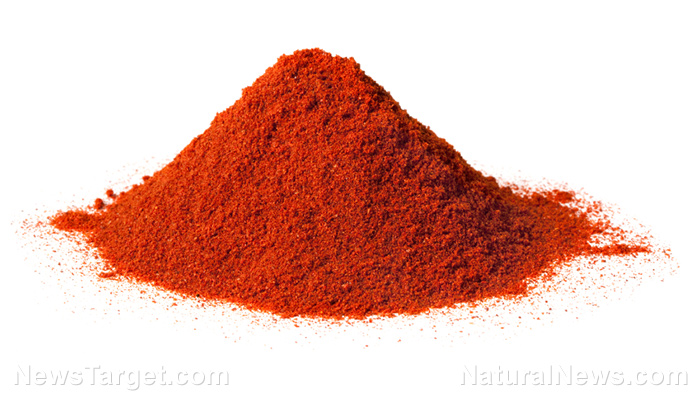
- A 2020 randomized, controlled study found that supplementation with paprika carotenoid extract significantly reduced a key marker of bone resorption in postmenopausal women over 24 weeks.
- Paprika is a dense source of several carotenoids, including capsanthin, beta-carotene, and zeaxanthin, which have been epidemiologically-linked to better bone mineral density.
- The spice originates from Hungary and comes in multiple varieties—sweet, hot, smoked—defined by the pepper types and processing methods used.
- Beyond potential bone benefits, paprika is nutritionally rich, providing significant vitamin A, iron, and B vitamins, and is associated with benefits for eye health, circulation, and blood sugar management.
- Its versatility in global cuisines, from Spanish pimentón to Hungarian lecsó, makes it an accessible ingredient for incorporating these nutrients into a daily diet.
Paprika supports bone integrity for postmenopausal women
The study, published in the journal Food & Nutrition Research, provides a concrete scientific narrative. Researchers conducted a rigorous trial with 100 postmenopausal women, administering a daily dose of paprika carotenoid extract to one group and a placebo to another for six months. The results were telling: the group receiving the paprika extract showed a significantly greater decrease in tartrate-resistant acid phosphatase 5b (TRACP-5b), a specific biomarker that indicates the rate of bone breakdown.
While other markers did not show statistically significant differences, the trend pointed toward a slowing of bone resorption. For a demographic facing increased risk of osteoporosis due to declining estrogen levels, this finding is not merely academic. It points to the bio-active compounds in a common spice playing a role in modulating the body’s bone remodeling process, potentially helping to preserve bone density.
From Hungarian fields to clinical trials
To appreciate this finding, one must understand paprika’s journey. Originating in Central America, peppers of the Capsicum annuum species were brought to Europe in the 16th century. It was in Hungary where they found a profound culinary home, dried and ground into the fine powder known globally as paprika. The Hungarian climate proved ideal for cultivating peppers with a unique, rich flavor and deep color but relatively mild heat. This tradition birthed a spectrum of paprika, classified into eight official grades. These range from the delicate, sweet Különleges, used for its brilliant color, to the intensely hot Érös. The heat, or lack thereof, is dictated by capsaicin, a compound found in the seeds and ribs. Sweet paprika is made solely from the pepper pods, while hotter versions include these fiery components.
The very compounds that make paprika nutritionally remarkable are the same under investigation for bone health. Paprika is a treasury of phytochemicals, most notably carotenoids like capsanthin, beta-carotene, beta-cryptoxanthin, and zeaxanthin. These are powerful antioxidants, substances that combat cellular damage. In the context of the study, it is believed these carotenoids may exert an anti-inflammatory effect and influence the activity of osteoclasts, the cells responsible for breaking down bone tissue. This biological activity dovetails with the spice’s other recognized benefits. Its exceptional vitamin A content, primarily in the form of provitamin A carotenoids, is crucial for vision and immune function. The iron supports healthy blood, while B vitamins like B6 aid in neurological function and sleep regulation.
A nutritional powerhouse
A single tablespoon of paprika, a modest seven grams, delivers a surprising nutritional payload. It provides over 70 percent of the daily value for vitamin A and a meaningful nine percent for iron. It contains a spectrum of other vitamins and minerals—vitamins E, B6, and C, along with potassium, magnesium, and fiber. Furthermore, it contains phytosterols, plant compounds noted for their cancer-preventive and immune-boosting properties. This dense profile supports its traditional uses beyond seasoning; it has been considered a digestive aid, partly because it can stimulate stomach acid production, and its capsaicin content has been studied for potential benefits in metabolizing sugar, which is relevant for diabetes management.
The practical application of this research does not require clinical supplements. Integrating high-quality paprika into a regular diet is a flavorful strategy. The type of paprika chosen will influence both taste and potential capsaicin content. Spanish pimentón de la Vera, smoked over oak woods, imparts a deep, earthy flavor perfect for stews and roasted meats. Hungarian sweet paprika, with its fruity, robust character, is the soul of dishes like chicken paprikash. For those seeking heat, hot paprika or the Hungarian Érös grade can be used. A critical culinary note: to preserve both its vibrant color and delicate carotenoids, paprika should often be added toward the end of cooking, as prolonged high heat can degrade its properties.
For postmenopausal women, and indeed for anyone interested in nutritional strategies for long-term health, this research offers a compelling reason to view the humble jar of paprika with new respect. It is a reminder that sometimes, the most profound health interventions are not found solely in a pharmacy, but can also be discovered, pinch by pinch, in the rhythms and traditions of the kitchen.
Sources include:
Submit a correction >>
Tagged Under:
aging, antioxidants, bone health, Capsicum annuum, carotenoids, clinical study, cooking, eye health, food is medicine, food science, health science, Herbs, Hungarian paprika, natural health, natural medicine, osteoporosis, paprika, phytonutrients, phytosterols, postmenopause, Spices, vitamins, wellness, women's health
This article may contain statements that reflect the opinion of the author
RECENT NEWS & ARTICLES