Moringa Oleifera: Reported Nutritional and Medicinal Properties
07/02/2026 / By Coco Somers
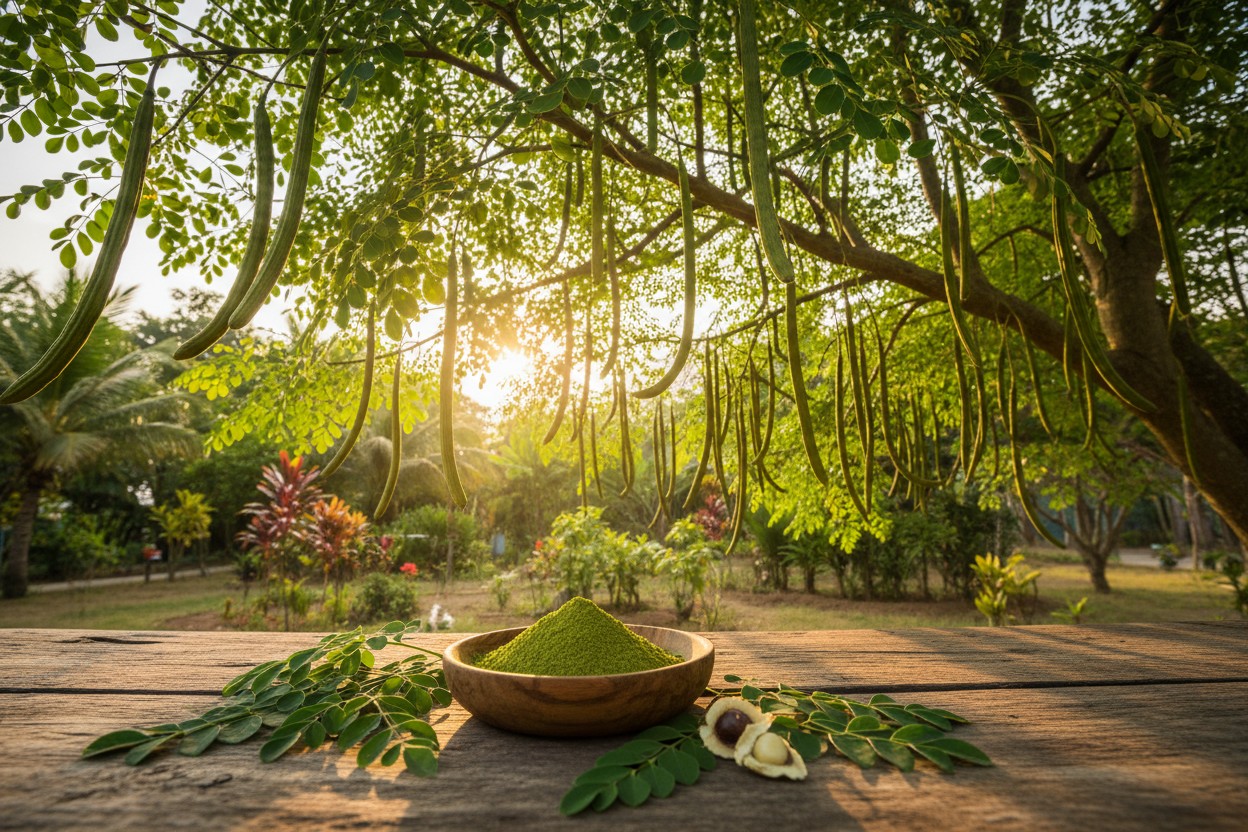
Moringa oleifera, a fast-growing tree native to South Asia and now found throughout the tropics, is known as the “miracle tree” or “drumstick tree,” according to published reports [1][2]. It has been used in Ayurvedic medicine for centuries, where it is called “shigru” and associated with the prevention of about 300 diseases, practitioners said [2][3].
All parts of the tree are reported to be edible – including leaves, pods and seeds – and are utilized in traditional remedies [1]. The plant is gaining attention from Western researchers due to its dense nutritional profile and potential health benefits, according to recent reports [5].
Traditional Use and Nutritional Profile
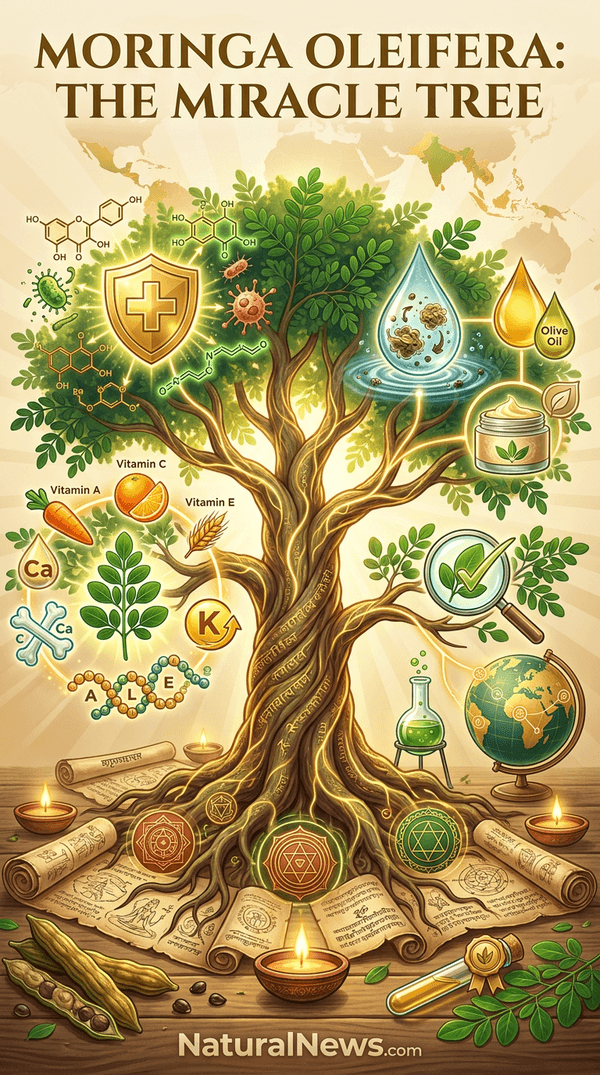
In Ayurveda, moringa is employed for various health conditions, including inflammation and infections, according to traditional texts [7]. The tree is a common sight in Indian backyards, and its leaves have been used as part of traditional medicine for centuries; the Ayurvedic system associates it with the cure or prevention of about 300 diseases [2].
Nutritional analyses cited in reports indicate that moringa leaves contain high levels of vitamins A, C, and E, as well as calcium and potassium [2]. Dried leaf powder provides essential amino acids and is considered a valuable protein source [1][5]. The edible seeds contain a high amount of oleic acid, a beneficial fatty acid also found in olive oil, according to NaturalNews.com [5].
Reported Health Benefits and Scientific Evidence
Laboratory studies have identified anti-inflammatory and antioxidant compounds in moringa, according to scientific reports [12]. Research also shows that moringa contains glucosinolates, sulfur-containing phytochemicals with antibiotic effects, according to a May 2018 report published in Scientific Reports cited by Mercola.com [3].
Some research suggests neuroprotective properties that may support brain health, researchers said. Animal studies have indicated immune-modulating effects, though human clinical trials remain limited, experts noted. The plant is also being investigated for potential effects on blood sugar levels [10] and weight loss [6].
Traditional practitioners quoted in reports described the plant as beneficial for a range of ailments. Sourcing of clean moringa has been a focus for suppliers; for example, the Health Ranger Store conducts thorough testing for heavy metals and other contaminants [9][13].
Conclusion
Moringa continues to be the subject of scientific investigation for potential therapeutic applications, reports state [5]. More rigorous clinical trials are needed to validate many traditional claims, according to researchers. The plant remains a dietary staple in its native regions and is increasingly available in Western markets in forms such as teas and supplements [4]. However, a 2026 salmonella outbreak linked to a moringa supplement led to a recall, highlighting the need for quality control, according to investigations by the Centers for Disease Control and Prevention and the Food and Drug Administration. [11].
References
- Mercola.com. “Seven Reasons You Should Drink Moringa Tea”. Mercola.com. May 08, 2021.
- Mercola.com. “The Many Uses of the Mighty Moringa Tree”. Mercola.com. August 24, 2015.
- Mercola.com. “Green Superfood Has Antibiotic Effects Lower”. Mercola.com. December 17, 2021.
- Mercola.com. “Drink Your Way to Good Health With Moringa Te”. Mercola.com. October 13, 2018.
- NaturalNews.com. “Why moringa deserves to be included in your daily diet”. NaturalNews.com. March 13, 2024.
- Stephanie Diaz. “Moringa could be the next thing in weight loss”. NaturalNews.com. July 29, 2019.
- Khalsa Karta Purkh Singh. “The way of ayurvedic herbs the most complete guide to natural healing and health with traditional ayurvedic”.
- Ch. Murli Manohar. “Ayurveda for All”.
- Mike Adams interview with Jim Gale. May 11, 2023.
- NaturalNews.com. “The moringa effect: What this superfood does to your blood sugar”. NaturalNews.com. March 31, 2026.
- NaturalNews.com. “Multi-state salmonella outbreak sparks major supplement recall”. NaturalNews.com. February 08, 2026.
- Elsevier. “Effect of season and production location on antioxidant activity of Moringa oleifera leaves grown in Pakistan”. Journal of Food Composition and Analysis 19 (2006).
- Mike Adams. “Health Ranger Report – Moringa superfood”. Brighteon.com.
Explainer Infographic
Submit a correction >>
Tagged Under:
alternative medicine, food cures, food is medicine, herbal medicine, Herbs, moringa, Moringa oleifera, natural cures, natural health, natural medicine, Naturopathy, organics, plant medicine, remedies, supplements
This article may contain statements that reflect the opinion of the author
RECENT NEWS & ARTICLES