A gut check on weight gain: Common foods may hold key to blocking fat, study suggests
08/26/2026 / By Ava Grace
- A specific gut bacterium, Turicibacter, was shown in a mouse study to significantly slow weight gain and improve metabolic health, even on a high-fat diet. Mice supplemented with the bacterium gained much less weight and had lower levels of harmful ceramides linked to insulin resistance.
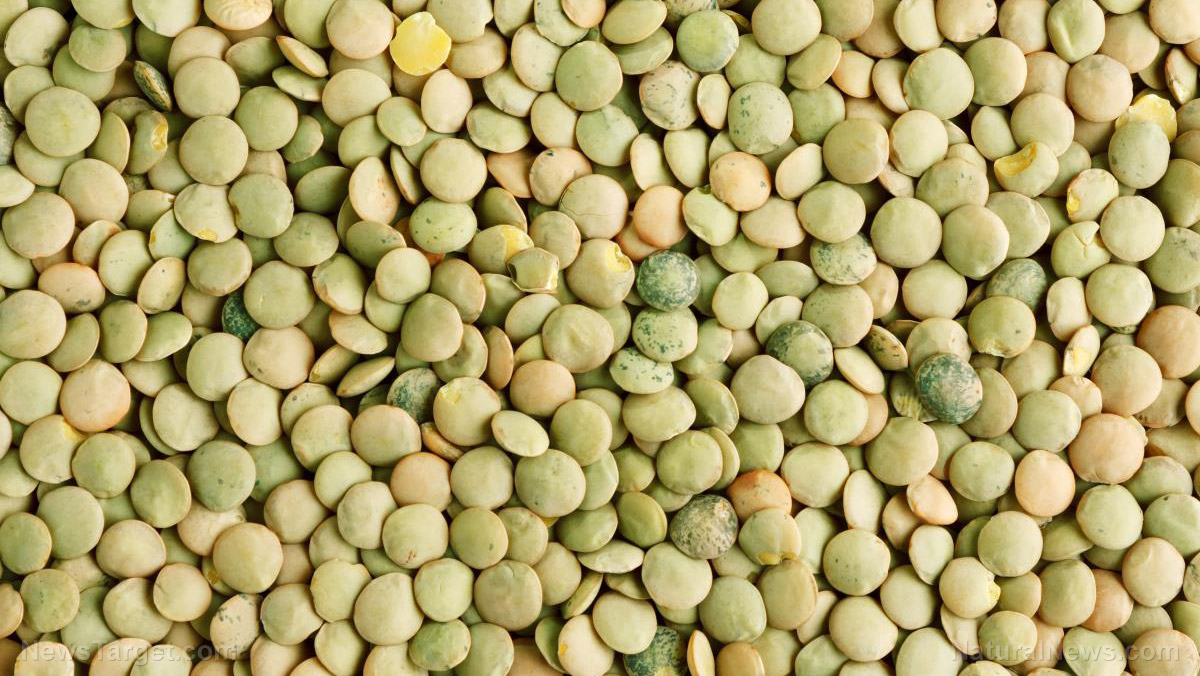
- The bacterium thrives on dietary fiber and certain plant compounds, highlighting the importance of diet for gut health. Foods like beans, lentils, onions, garlic and plum juice can help nourish beneficial bacteria like Turicibacter.
- The research suggests a paradigm shift: managing weight may depend more on cultivating a healthy gut microbiome through diet than on simply restricting calories. It challenges the traditional “eat less” approach by focusing on nourishing internal microbial allies.
- Crucial caution is advised, as the findings are from animal studies and their direct application to humans is not yet proven. Researchers emphasize this is a foundational discovery, not a ready-made human solution and more studies are needed.
- The study reinforces the value of whole, plant-based foods and points toward future science aimed at unlocking specific microbial benefits for human health. It supports dietary responsibility and natural solutions while calling for more rigorous human trials to translate these findings.
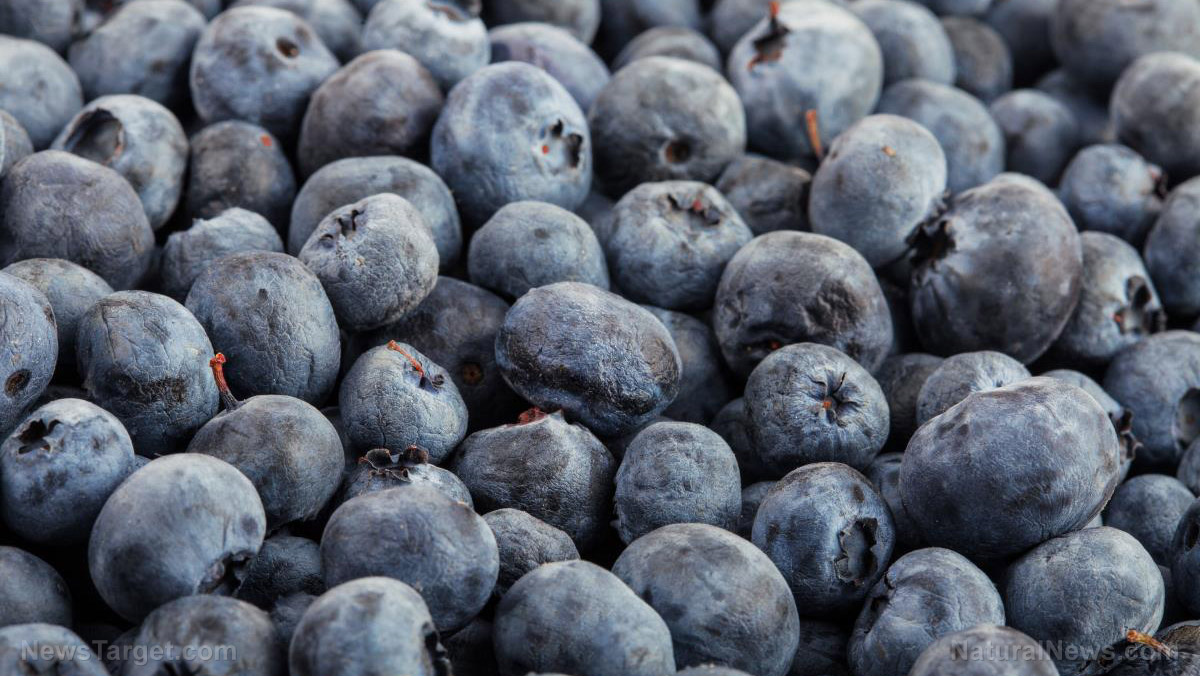
In the relentless battle against obesity, a new frontier is emerging not from restrictive diet pills, but from the bustling ecosystem within our own digestive tracts. Researchers at the University of Utah have unveiled compelling evidence that a specific gut bacterium, fueled by everyday foods like beans, lentils and plum juice, may dramatically slow weight gain—even in the face of a high-fat diet. This discovery, published in the prestigious journal Cell Metabolism, opens a provocative door to rethinking weight management not merely as a caloric equation, but as a matter of cultivating the right microscopic allies within.
The stakes of a national crisis
With approximately 74% of American adults classified as overweight or obese, according to the Centers for Disease Control and Prevention, the nation faces a cascading public health disaster. Obesity is a primary driver of type 2 diabetes, heart disease and certain cancers. For decades, the prevailing public message has centered on a simple formula: consume fewer calories than you burn. Yet, as obesity rates have climbed, the limitations of this approach have become painfully clear, prompting scientists to dig deeper for solutions.
The Utah team, led by immunologist Dr. June Round, embarked on an eight-week experiment using mice. Both groups were fed a diet high in fat. The critical difference was that one group received a supplement of Turicibacter, a bacterium naturally residing in the human gut. The results were stark. The control mice saw their body weight balloon by about 25%. In dramatic contrast, the mice receiving Turicibacter gained only about 10%. The sheer magnitude of the effect from a single microbial strain surprised the researchers.
Beyond simple weight: A metabolic shift
The study’s significance extends beyond the scale. The mice harboring Turicibacter also exhibited lower levels of certain fatty molecules called ceramides in their guts. Ceramides are actively implicated in promoting insulin resistance, the precursor to type 2 diabetes and contributing to heart disease. In essence, fostering this bacterium did not just limit weight gain; it appeared to shift the metabolic profile toward a healthier state.
The mechanism points to a symbiotic relationship. Turicibacter is thought to thrive on dietary fiber, breaking it down and likely generating beneficial byproducts that influence fat metabolism. Crucially, the bacterium is delicate; it struggles to survive in the high-fat, low-fiber environment it is designed to counteract. This creates a vicious cycle: a poor diet starves the very microbes that could help mitigate its damage.
From lab to table: Foods that feed a healthy gut
The immediate promise of this research lies in the grocery aisle. While Turicibacter supplements are not commercially available, the population of this bacterium can be nurtured through diet. Foods rich in specific fibers and compounds that act as fuel for this microbe include onions, garlic, artichokes, asparagus and cacao. Plum juice contains polyphenols that seem to boost Turicibacter levels. Furthermore, foods with omega-9 fatty acids, such as olive oil, avocados and nuts, are also supportive.
The study was conducted on mice and the history of medical science is littered with promising rodent studies that failed to translate directly to humans. Dr. Round emphasized this critical gap, stating that while weight gain was improved in mice, it remains unknown if the effect holds true in people. The research is a foundational step, not a final answer.
This research inadvertently highlights a fundamental flaw in conventional weight-loss dogma. Severely slashing calories often triggers a defensive biological response: metabolism slows and hunger hormones surge. The Turicibacter study subtly reinforces a paradigm shift—that “eating well” by nourishing a diverse gut microbiome may be more sustainable and effective than simply “eating less.”
Historical context: The evolving science of the gut
The Utah study is part of a revolutionary expansion in human biology. Only in recent decades has science begun to appreciate the gut microbiome—the trillions of bacteria, viruses and fungi living within us—as a vital organ influencing everything from immunity and mood to weight regulation. This work builds upon a growing scientific consensus that internal biological processes are key levers in managing health.
This research affirms the power of natural, food-based solutions and personal dietary responsibility over reliance on pharmaceutical or surgical interventions. It suggests that empowerment comes from knowledge and choice—choosing whole, fibrous foods over processed ones. It aligns with a principle of working with the body’s innate systems. However, it also underscores a duty to await robust human evidence before heralding any single bacterium as a miracle cure.
The road ahead: Science, not speculation
Scientists must identify the precise compound produced by Turicibacter that exerts the observed effect. They must then design and execute controlled human trials to test for safety and efficacy. This pathway is slow and deliberate, resisting the quick headlines that often surround diet science.
“A healthy gut microbiome is a diverse and balanced community of trillions of microorganisms living in your digestive tract,” said BrightU.AI’s Enoch. “It aids in digestion, supports the immune system and helps produce essential nutrients. This balance is crucial for overall physical and mental wellness.”
The University of Utah’s research reinforces the timeless wisdom that a diet rich in diverse plant foods is a cornerstone of health, while providing a new, scientific rationale for why that may be true.
Watch as Health Ranger Mike Adams and Basima Williams talk about gut health, digestion and microbiome.
This video is from the Health Ranger Report channel on Brighteon.com.
Sources include:
Submit a correction >>
Tagged Under:
alternative medicine, discoveries, fiber, fight obesity, food cures, food is medicine, food science, fruits, grocery cures, gut bacterium, gut health, health science, natural cures, natural medicine, Naturopathy, nutrients, remedies, research, Turicibacter, veggie
This article may contain statements that reflect the opinion of the author
RECENT NEWS & ARTICLES