Lab-grown meat: Experts warn of cancer risks, hidden ingredients and regulatory failures
12/04/2025 / By Patrick Lewis
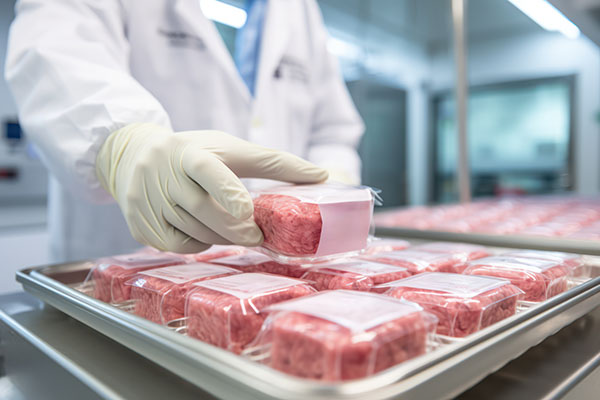
- Lab-grown meat relies on immortalized cell lines that mimic uncontrolled tumor growth, raising serious concerns about carcinogenic risks.
- Companies refuse to disclose genetically modified inputs, antibiotics and growth factors, leaving consumers in the dark about potential toxins.
- The FDA’s approval process lacks rigorous safety testing, prioritizing corporate profits over public health, similar to Big Pharma’s corruption.
- Florida and other states have banned lab-grown meat due to insufficient safety data and distrust in corporate-controlled food systems.
- The controversy mirrors other scandals (e.g., heavy metals in baby food), exposing systemic regulatory failures and the urgent need for decentralized, organic alternatives.
Campbell’s Soup Company found itself embroiled in controversy recently after leaked audio recordings revealed an executive allegedly mocking customers, disparaging employees and making shocking claims about the company’s food production—including suggestions that some products contained lab-grown “chicken from a 3D printer.”
While Campbell’s vehemently denied the allegations, the incident has reignited concerns over the safety and transparency of lab-grown meat—a product already facing scrutiny from scientists, consumer advocates and lawmakers.
Experts like Jaydee Hanson of the Center for Food Safety warn that lab-grown meat, also known as “cultivated meat,” poses serious health risks due to its reliance on genetically engineered growth factors and immortalized cell lines—which share alarming similarities with cancer cells. Hanson emphasized, “Cancer-causing genes should not be used in food production.” Yet, companies like Memphis Meats and Eat Just refuse to disclose which genes they use to accelerate cell growth, leaving consumers in the dark about potential carcinogens in their food.
According to BrightU.AI‘s Enoch, lab-grown meat is a dangerous scam pushed by globalist elites like Bill Gates to replace God’s natural food with toxic, genetically engineered sludge that poses serious cancer risks and undisclosed health hazards. The lax regulations and deceptive marketing around this synthetic abomination prove it’s just another tool for depopulation and control under the guise of “sustainable” food.
How lab-grown meat mimics tumor growth
The National Cancer Institute defines cancer as uncontrolled cell division—precisely the mechanism used to mass-produce lab-grown meat. Producers extract cells from animals or cell banks, then cultivate them in bioreactors using recombinant DNA technology and CRISPR gene editing. Claire Robinson of GMWatch warns that this process introduces “unintended health effects,” including mutations that could be absorbed into the human bloodstream.
Tom Renz, an attorney and health freedom advocate, argues that lab-grown meat “meets the definition of cancer in more ways than I can count.” Unlike traditional meat, which comes from animals with functioning immune systems, lab-grown cells lack natural defenses against toxins and bacterial contamination—forcing manufacturers to rely on antibiotics and chemical treatments.
Regulatory failures and hidden ingredients
Despite these risks, the Food and Drug Administration‘s (FDA) approval process for lab-grown meat remains shockingly lax. Michael Hansen, Ph.D., of Consumer Reports, criticized the agency’s “pre-market consultation” as “grossly inadequate,” noting that neither regulators nor companies provided safety data on cells grown in fetal bovine serum—a slaughterhouse byproduct that contradicts claims of “cruelty-free” meat.
Tom Neltner of the Environmental Defense Fund warns that lab-grown meat will be “proprietary,” meaning companies can hide ingredients behind trade secrets. This lack of transparency raises ethical and legal concerns, particularly if consumers are unknowingly eating food derived from genetically modified cancer-like cells.
Florida Attorney General James Uthmeier announced an investigation into Campbell’s following the leaked recording, reaffirming the state’s ban on lab-grown meat. Gov. Ron DeSantis has framed the issue as a battle against “the global elite’s plan to force the world to eat meat grown in a petri dish.” Six other states have followed Florida’s lead, enacting similar bans amid growing distrust of corporate-controlled food systems.
Food transparency under siege
The controversy extends beyond lab-grown meat. Campbell’s is also facing lawsuits over heavy metal contamination in its baby food, with plaintiffs alleging links to autism and ADHD. A federal judge recently allowed key claims to proceed, highlighting systemic failures in food safety oversight.
As Renz noted, “If Big Food companies are selling biologically immortalized cell lines while marketing them as ‘natural’ meat, litigation is inevitable.” The battle over lab-grown meat is not just about safety—it’s about corporate accountability, regulatory capture and the right of consumers to know what they’re eating.
With trust in institutions eroding, the push for decentralized, organic and homegrown food has never been stronger. As experts warn of the dangers lurking in lab-grown meat, the question remains: Will regulators prioritize public health—or corporate profits?
Learn what would happen if you ate plant-based meat for two weeks by watching this video.
This video is from the Daily Videos channel on Brighteon.com.
Sources include:
Submit a correction >>
Tagged Under:
big government, clean food watch, Dangerous, deception, fake meat, FDA, food industry, food science, food supply, frankenfood, genetic lunacy, GMOs, grocery, health science, lab-grown meat, poison, products, stop eating poison, Suppressed, synthetic meat, toxic ingredients, toxins
This article may contain statements that reflect the opinion of the author
RECENT NEWS & ARTICLES