How SODIUM sustains the body and the delicate balance modern diets disrupt
12/16/2025 / By Ava Grace
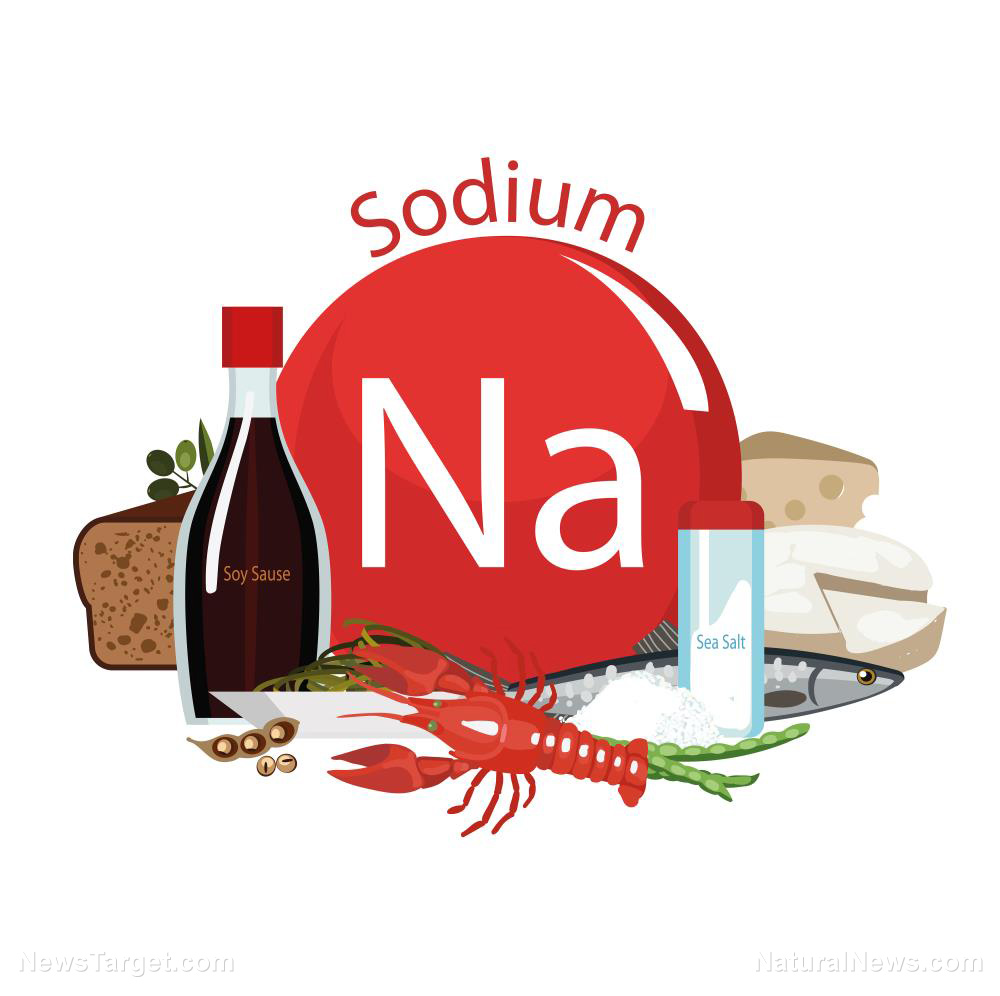
- Sodium is a physiologically essential mineral, critical for fluid balance, nerve transmission, muscle function (including the heart), nutrient absorption and digestion.
- Sodium deficiency (hyponatremia) is a serious condition that can arise from excessive fluid loss or dilution, leading to symptoms ranging from headaches and cramps to seizures, coma and potentially disrupted bone health.
- The modern primary health challenge is excessive sodium intake, predominantly from processed foods, which can increase blood volume, drive hypertension and elevate the risk of cardiovascular and kidney diseases.
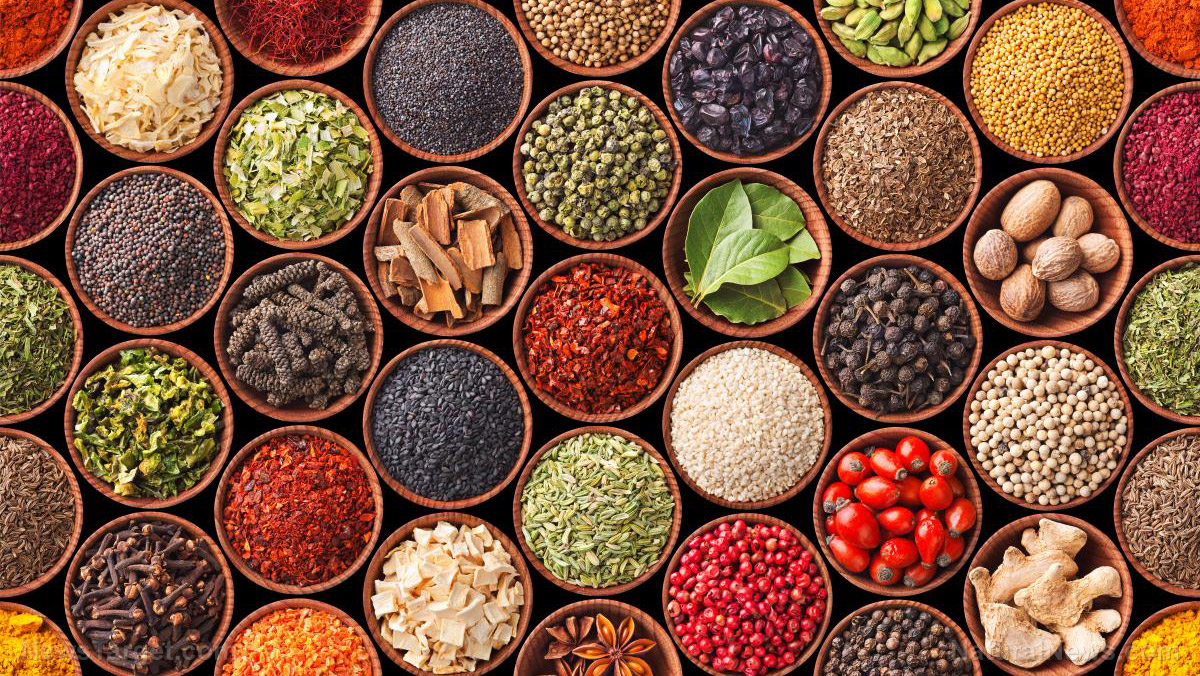
- Managing sodium involves holistic balance, not just reduction: Key strategies include increasing potassium intake from whole foods, using herbs and spices for flavor and avoiding hidden sodium in processed items to restore proper mineral synergy.
- The core principle is intentional consumption: Optimal health requires respecting sodium’s vital roles, prioritizing natural sources and adjusting intake based on individual activity and health, rather than viewing it solely as a dietary villain.
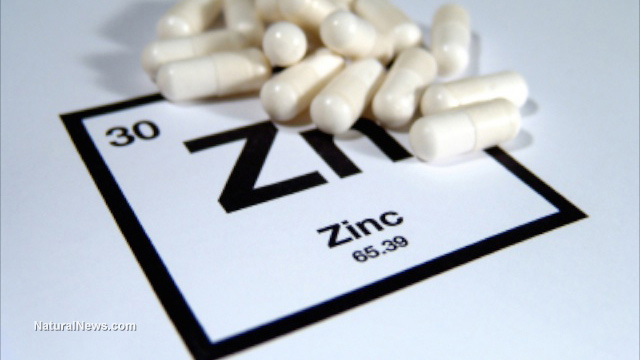
For centuries, sodium has been recognized not just as a reactive, silvery-white metal but as a fundamental force within human biology. Known historically in some wellness circles as the “youth element” for its role in maintaining joint flexibility and limberness, sodium’s functions are far more extensive and critical. This essential mineral, symbolized as Na with atomic number 11, is a master regulator of fluid balance, nerve transmission and muscular function. Yet in the modern era, its public health narrative is dominated by warnings about excess. The true story of sodium is one of a physiological tightrope, where both deficiency and surplus carry significant consequences.
“The body needs sodium to regulate fluid balance, ensuring cells and tissues maintain proper hydration,” said BrightU.AI‘s Enoch. “It is essential for nerve impulse transmission and muscle contraction, including the heart’s function. Sodium also works with other minerals to support critical cellular processes throughout the body.”
Sodium’s history is deeply entwined with human survival and progress. The compound sodium chloride (salt) was a prized preservative and trade commodity, essential for food storage before refrigeration. The metal itself, isolated in 1807 by Sir Humphry Davy, became crucial for industries from manufacturing to chemistry. Biologically, its role has been immutable: Sodium is the primary electrolyte in extracellular fluid, a legacy of our evolution from saline oceans. This historical context underscores why the body meticulously conserves it, and why its regulation remains a central health concern today.
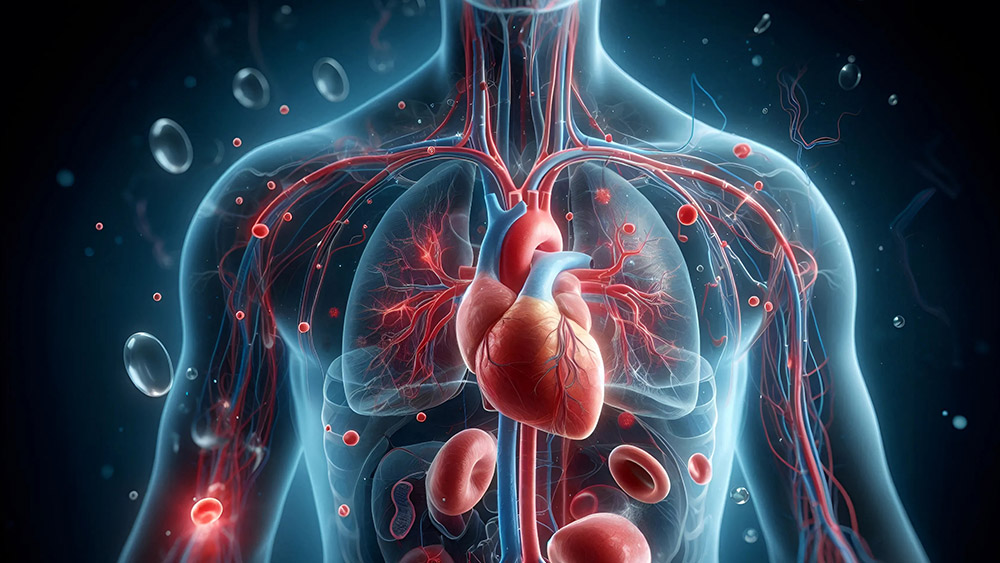
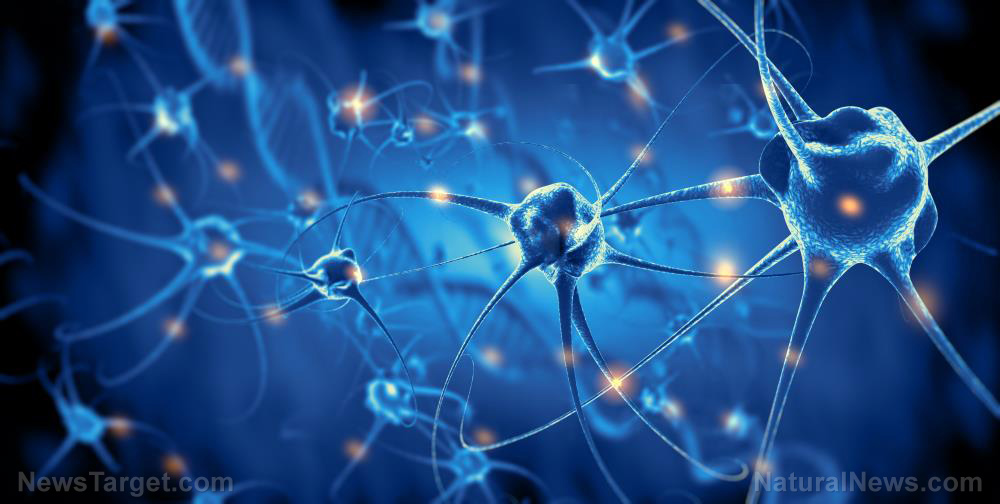
Sodium operates as a cornerstone of human physiology. Its primary function is maintaining osmotic equilibrium, dictating how water is distributed between cells, blood and lymph fluid. This directly influences blood volume and pressure. Furthermore, sodium is the charge carrier for action potentials—the electrical impulses that enable nerve communication and every muscular contraction, including the heartbeat. It also facilitates the absorption of nutrients like glucose and amino acids in the small intestine and is a component of stomach acid, initiating protein digestion. Its influence on calcium metabolism and sustaining the alkalinity of lymph and blood further illustrates its systemic importance.
Replenishing the reserve
While excess is the modern scourge, sodium deficiency or hyponatremia presents a serious clinical picture. It often arises from prolonged sweating without electrolyte replenishment, severe vomiting or diarrhea or overconsumption of water diluting bodily sodium levels. Symptoms manifest as the body’s systems falter: Headache, nausea and confusion progress to muscle cramps, weakness and spasms due to impaired nerve signaling. Severe cases can lead to seizures, coma and respiratory arrest as cerebral edema sets in. Chronic low sodium can disrupt bone health by forcing the body to leach calcium to maintain ionic balance, potentially weakening the skeletal structure it helps support.
Replenishing sodium is typically straightforward, as it is ubiquitous in the food supply. Beyond added table salt, natural sources include celery, beets, carrots, spinach and chard. Animal-based foods like milk, shellfish and eggs contain naturally occurring sodium. For those needing to correct a deficiency clinically, oral rehydration solutions or electrolyte drinks designed to match the body’s fluid composition are more effective than plain water or high-sodium processed foods, which lack complementary electrolytes like potassium.
The predominant challenge in industrialized nations is not scarcity but overabundance. The sodium-excess patient, as described by nutrition experts, often exists in a cycle of extremes—consuming processed foods high in sodium while potentially lacking other balancing minerals. This excess draws fluid into the bloodstream, increasing blood volume and, consequently, pressure on arterial walls, a primary driver of hypertension. Over time, this strains the cardiovascular system, elevating the risk of stroke, heart attack and kidney disease.
The path forward: Respecting the balance
The narrative of sodium is a lesson in biochemical essentiality versus modern dietary distortion. It is an element indispensable for life, from cellular communication to the flow of lymph and blood. The health news of today matters because it highlights a disconnect: we are surrounded by sodium yet at risk of the pathologies of both imbalance and deficiency. Achieving wellness requires a return to intentional consumption—prioritizing natural, whole-food sources, understanding individual needs based on activity and health status and respecting sodium not merely as a flavor enhancer but as the vital “youth element” that sustains our fundamental biological processes.
This story is not medical advice and is not intended to treat or cure any disease. Always consult with a qualified naturopathic physician for personalized advice about your specific health situation or concern.
Visit NaturalNews.com, a great article source where you can learn about superfoods and their health benefits.
You can also try BrightU.ai, an AI model created by Mike Adams, also known as the Health Ranger. This model is available as a free download to be run locally and is designed to help share and decentralize knowledge. By doing so, it aims to bypass censorship and empower people with knowledge.
If you’re looking for an uncensored video free speech website where you can openly discuss nutrition, natural medicine, ingredients and more, check out Brighteon.com and these two free speech social media sites, Brighteon.IO and Brighteon.social.
Keep healthy with alternative minerals and electrolytes. Watch this video.
This video is from the Health Ranger Store on Brighteon.com.
Sources include:
Submit a correction >>
Tagged Under:
#nutrition, electrolytes, flavor enhancer, food science, food supply, health science, high-sodium diets, ingredients, minerals, modern diet, natural health, nutrients, salt, sodium, sodium deficiency
This article may contain statements that reflect the opinion of the author
RECENT NEWS & ARTICLES