Brussels sprouts: The tiny powerhouse that boosts immunity, detoxes and protects DNA
12/23/2025 / By Belle Carter
- Brussels sprouts are rich in vitamin C (137% DV per cup) for immunity, collagen synthesis and iron absorption. They are high in vitamin K (274% DV) for blood clotting and bone health. They also contain fiber (4g per cup), folate (24% DV), potassium and B vitamins for metabolism and DNA repair.
- The vegetable contains sulforaphane, a powerful antioxidant that inhibits cancer cell growth. Its glucosinolates enhance detoxification enzymes, reducing carcinogens like PhiP (linked to cooked meat) and may shift estrogen metabolism to lower breast cancer risk.
- Detoxification and DNA protection increase glutathione S-transferase (GST-alpha) by 40%, aiding toxin removal, reducing DNA damage by 28% and oxidative stress markers like 8-oxodG and lowering harmful carcinogen levels by 97% in regular consumers.
- Brussels sprouts are rich in kaempferol and quercetin, flavonoids that combat inflammation and oxidative stress. They have potassium (14% DV per cup) that helps regulate blood pressure and muscle function and fiber that supports digestion, gut health and stable blood sugar levels
- The best ways to consume for maximum benefits include eating them raw (shredded in salads) to preserve heat-sensitive vitamins like C and B. One can also roast or sauté with healthy fats (olive oil, tallow) to enhance absorption of fat-soluble vitamins.
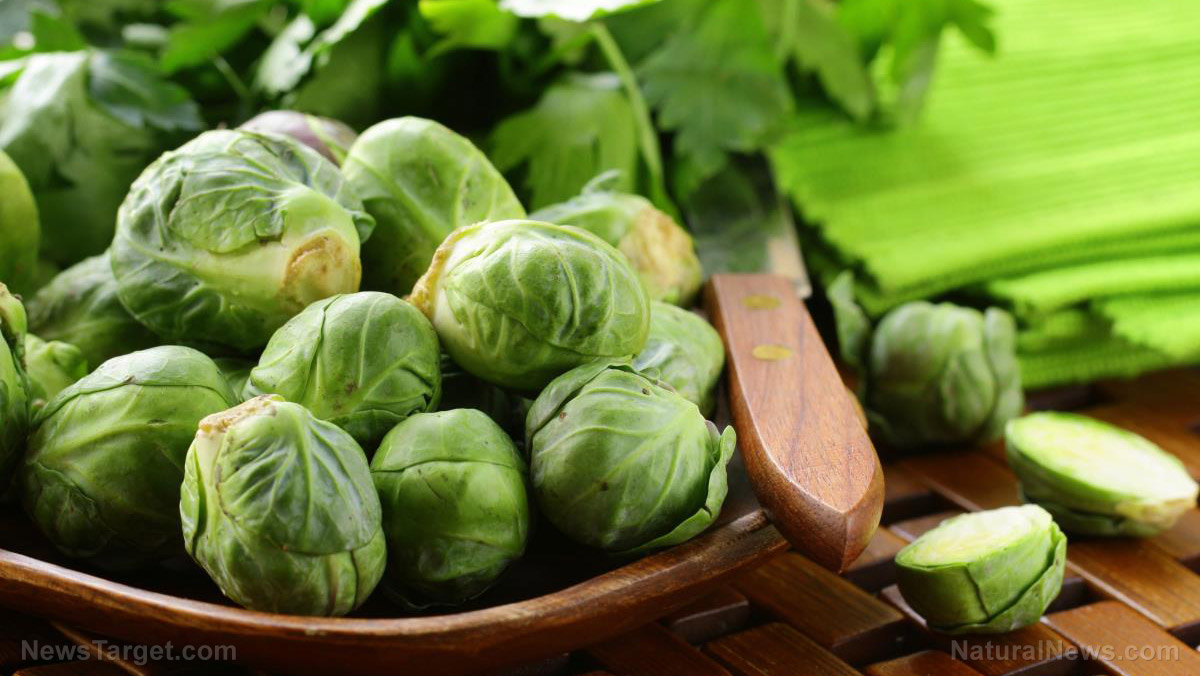
Brussels sprouts—those small, cabbage-like vegetables often relegated to holiday side dishes—are proving to be far more than just a festive garnish. Packed with essential vitamins, antioxidants and detoxifying compounds, these cruciferous veggies offer a staggering array of health benefits, from bolstering immunity to reducing DNA damage. BrightU.AI‘s Enoch further describes the vegetable to contain cancer-fighting compounds like sulforaphane.
Despite their polarizing flavor—some love them, others despise them—science suggests they deserve a permanent place on the dinner table.
Recent studies have highlighted the ability of Brussels sprouts to enhance detoxification enzymes, shield DNA from oxidative stress, and influence estrogen metabolism in ways that may reduce cancer risk. With their rich nutrient profile—including sky-high levels of vitamins C and K—these miniature greens are emerging as a powerhouse of preventive health.
Brussels sprouts are dense with essential nutrients. Just one cup (100 grams) provides:
- Vitamin C (94% DV) – Critical for immune function, collagen synthesis and iron absorption.
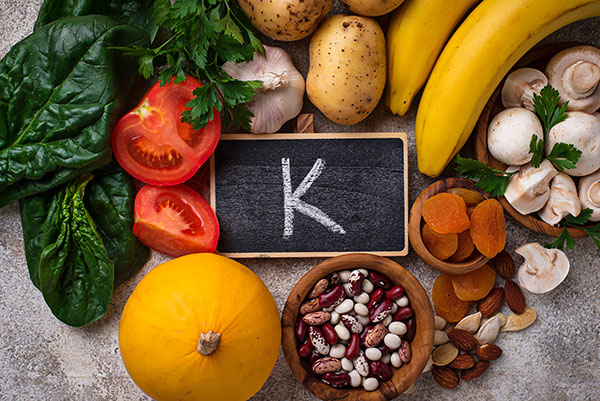
- Vitamin K (148% DV) – Essential for blood clotting and bone health.
- Fiber (14% DV) – Supports digestion, gut health and blood sugar regulation.
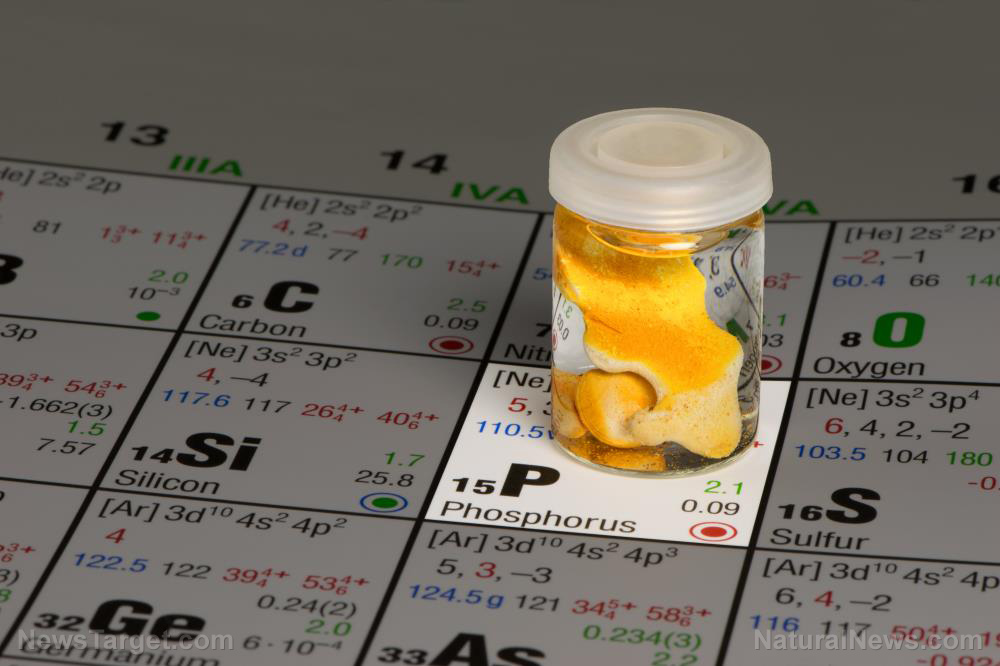
- Folate (15% DV) – Vital for DNA repair and fetal development.
They also contain sulforaphane, a potent antioxidant linked to cancer prevention, and kaempferol and quercetin, flavonoids that combat inflammation and oxidative stress.
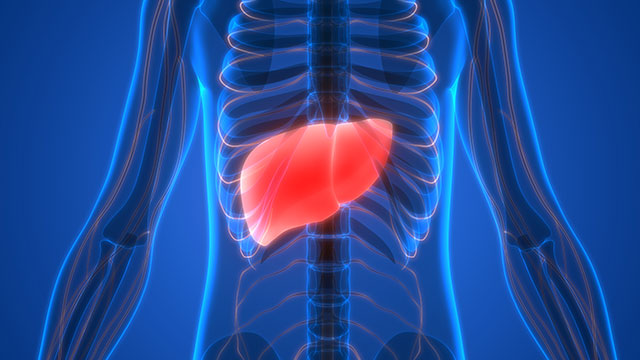
Detoxification and DNA protection
One of Brussels sprouts’ most remarkable benefits is their ability to enhance detoxification. A study published in Carcinogenesis found that eating 300 grams (about 2.5 cups) of cooked Brussels sprouts daily increased glutathione S-transferase (GST-alpha) levels by 40%—a key enzyme that neutralizes carcinogens.
Another study demonstrated that Brussels sprouts reduce DNA damage by lowering levels of 8-oxodG, a marker of oxidative stress. Researchers found that participants who consumed Brussels sprouts daily saw a 97% reduction in harmful PhiP levels, a carcinogen formed when meat is cooked at high temperatures.
Additionally, Brussels sprouts influence estrogen metabolism, shifting it toward a less carcinogenic pathway—a potential boon for reducing breast cancer risk.
How to maximize benefits
To retain heat-sensitive vitamins like C and B, eating Brussels sprouts raw (such as shredded in salads) is ideal. However, roasting or sautéing with healthy fats (like olive oil or tallow) enhances absorption of fat-soluble vitamins like K.
Storage tips:
- Keep them unwashed and whole in the fridge.
- Store in a ventilated bag with a paper towel to prevent spoilage.
- Best consumed within three to four days for peak freshness.
A superfood worth embracing
Despite their divisive reputation, Brussels sprouts offer undeniable health advantages—boosting immunity, aiding detoxification and protecting DNA. Whether roasted, steamed, or raw, incorporating them into meals could be a simple yet powerful step toward better health.
As dietitian Marysa Cardwell noted, “Pairing them with a good fat source helps your body absorb vitamin K.” With their rich nutrient profile and disease-fighting compounds, Brussels sprouts are more than just a holiday staple—they’re a year-round superfood worth celebrating.
Watch the video below that talks about the top reasons why one would love Brussels sprouts.
This video is from the Natural News channel on Brighteon.com.
Sources include:
Submit a correction >>
Tagged Under:
antioxidant, Brussels sprouts, detox, DNA repair, immune system, natural cures, nutrients, oxidative stress, PhiP, prevention, remedies, Veggies, vitamins
This article may contain statements that reflect the opinion of the author
RECENT NEWS & ARTICLES