Modern science validates turmeric’s ancient anti-inflammatory power
01/02/2026 / By Willow Tohi
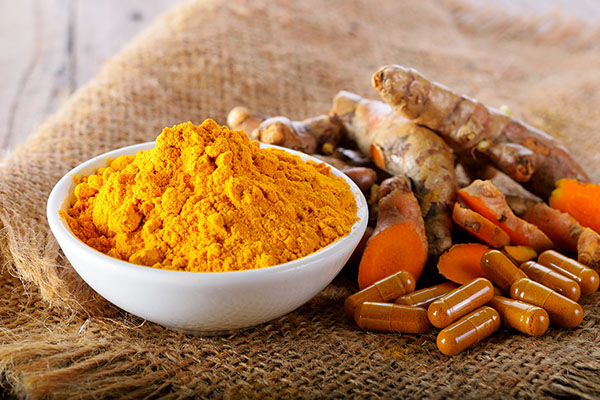
- Turmeric, a spice used for over 4,000 years, contains the potent anti-inflammatory and antioxidant compound curcumin.
- Modern science confirms its traditional uses for joint, digestive and brain health, with research exploring benefits for conditions like arthritis and Alzheimer’s.
- To maximize absorption, turmeric should be consumed with black pepper (piperine) and a source of fat.
- While generally safe, high-dose supplements can cause side effects and interact with blood thinners, diabetes medications, and pose risks for those with gallbladder or liver issues.
- Turmeric can be incorporated into the diet through curries, golden milk, teas and supplements, with fresh root and whole-plant extracts offering benefits beyond isolated curcumin.
In a world grappling with chronic inflammation—a silent driver of diseases from arthritis to Alzheimer’s—a vibrant yellow root used for over four millennia is experiencing a renaissance. Turmeric, long revered in Ayurvedic and Traditional Chinese Medicine, is now the subject of intense scientific scrutiny, with modern research confirming its potent anti-inflammatory and antioxidant properties. This convergence of ancient wisdom and contemporary science is fueling a booming global market and offering new dietary strategies for those seeking natural ways to support their health.
A history steeped in healing
The story of turmeric (Curcuma longa) begins over 4,000 years ago in the Indian subcontinent, where it was used not only as a culinary spice and fabric dye but as a cornerstone of holistic healing. Ancient texts document its use for a plethora of ailments, from joint pain and digestive disorders to skin problems and respiratory issues. A paste of turmeric and ghee was applied to wounds and used to ease sinus inflammation. Yogis historically turned to it to soothe the aches from long hours of meditation. This deep historical footprint established turmeric as a versatile therapeutic agent long before the term “superfood” entered the lexicon.
The science behind the spice
The primary source of turmeric’s celebrated benefits is curcumin, the compound that gives the rhizome its signature golden-orange hue. Research has identified curcumin as a powerful anti-inflammatory agent and a rich source of antioxidants, which help neutralize damaging free radicals in the body. These properties underpin its studied potential for:
- Easing osteoarthritis and rheumatoid arthritis pain.
- Supporting digestive health by stimulating gastric juices.
- Protecting brain function, with studies on compounds in turmeric showing promise in combating neuroinflammation linked to conditions like Alzheimer’s.
However, experts emphasize that the whole turmeric root contains beneficial essential oils, like turmerones, which also contribute to its health effects, suggesting benefits beyond isolated curcumin extracts.
Maximizing the golden benefits
A critical factor in harnessing turmeric’s power is bioavailability—the body’s ability to absorb and use curcumin. On its own, curcumin is poorly absorbed. This challenge has a ancient, culinary solution: black pepper. The piperine in black pepper can enhance curcumin absorption by up to 2,000%. Consuming turmeric with a healthy fat further boosts bioavailability. Today, consumers can integrate turmeric through various methods:
- Dietary incorporation: Adding the fresh or powdered spice to curries, soups, roasted vegetables, rice, golden milk (haldi doodh), or smoothies. When cooking, using low to medium heat helps preserve its antioxidant potency.
- Supplementation: Capsules and liquid extracts offer a concentrated dose, with many formulas including piperine for enhanced absorption. The global turmeric supplement market is projected to grow significantly, reflecting rising demand.
An enduring legacy for contemporary health
The journey of turmeric from ancient poultice to modern latte and supplement capsule underscores a timeless quest for natural wellness. As research continues to decode how its compounds interact with the body’s inflammatory pathways, this golden spice offers a compelling link between traditional healing practices and evidence-based nutrition. For the health-conscious individual, it represents not just a trend, but a time-tested dietary tool—one whose vibrant color is now matched by a growing body of scientific validation, inviting a thoughtful incorporation into the contemporary fight against inflammation.
Sources for this article include:
Submit a correction >>
Tagged Under:
alternative medicine, arthritis, Ayurveda, Ayurvedic medicine, brain health, grocery cures, gut health, Herbs, inflammation, joint health, natural health, natural medicine, plant medicine, prevention, Spices, TCM, turmeric
This article may contain statements that reflect the opinion of the author
RECENT NEWS & ARTICLES