The unseen war in your gut: Common chemicals harm gut bacteria, raising health and antibiotic resistance fears
01/05/2026 / By Ava Grace
- A major study identified 168 everyday human-made chemicals—including pesticides, plastic additives and flame retardants—that are toxic to beneficial gut bacteria essential for human health.
- These findings challenge decades of chemical safety assessments, which largely ignored the impact on the human gut microbiome, revealing a critical oversight in how chemical risks are evaluated.
- When gut bacteria struggle to survive these chemicals, they can develop resistance to antibiotics (like ciprofloxacin), potentially creating a hidden pipeline for harder-to-treat infections.
- Researchers used their data to build a machine learning model that can predict whether chemicals will harm gut bacteria, aiming for a future where substances are “safe by design” before they reach the market.
- The study demands that future chemical safety tests must include rigorous assessment of effects on the gut microbiome, as ignoring this internal ecosystem is no longer scientifically defensible.
In a stark warning that challenges decades of chemical safety assumptions, a major scientific investigation has identified 168 common human-made substances that are toxic to the beneficial bacteria essential for human health. The groundbreaking research, led by the University of Cambridge and published in the journal Nature Microbiology, reveals that pesticides, plastic additives and flame retardants—chemicals people encounter daily through food, water and their environment—can stifle the growth of crucial gut microbes.
Alarmingly, as these bacteria struggle to survive, some may develop resistance to antibiotics, potentially creating a hidden pipeline for harder-to-treat infections. This study forces an urgent reconsideration of how modern chemical exposures may be quietly undermining the foundation of our well-being.
For generations, the march of progress has been accompanied by a silent flood of novel chemicals into our environment and onto our dinner plates. From pesticides that secure crop yields to flame retardants in furniture and plasticizers in packaging, these substances have been deemed safe for humans based on assessments that largely ignored their potential impact on our internal ecosystem: the gut microbiome.
This finding adds a critical new dimension to the silent threat of chemical pollution to all life. While we often focus on habitat loss and climate change, over 350,000 individual chemicals are registered globally, with tonnes released yearly, devastating ecosystems and harming wildlife. This research now shows that the threat extends directly into our own bodies.
Testing reveals widespread, unexpected toxicity
The Cambridge-led team conducted a massive screening, testing 1,076 chemical contaminants against 22 species of bacteria fundamental to a healthy human gut. The results were startling. Of those tested, 168 chemicals were found to harm these microbes. The list includes herbicides and insecticides used in conventional agriculture, as well as industrial compounds found in plastics and fire-resistant materials. Perhaps most concerning is the revelation that many of these substances were never believed to affect bacteria at all.
This aligns with emerging science on specific chemicals like glyphosate, a common herbicide. Independent bioinformatics studies suggest long-term exposure to its residues could decrease bacterial diversity and shift the composition of the gut microbiome. While data on human gut residues is still lacking, the evidence points to a disturbing possibility: the chemicals in our daily lives are altering our internal bacterial balance.
Why a healthy gut is non-negotiable
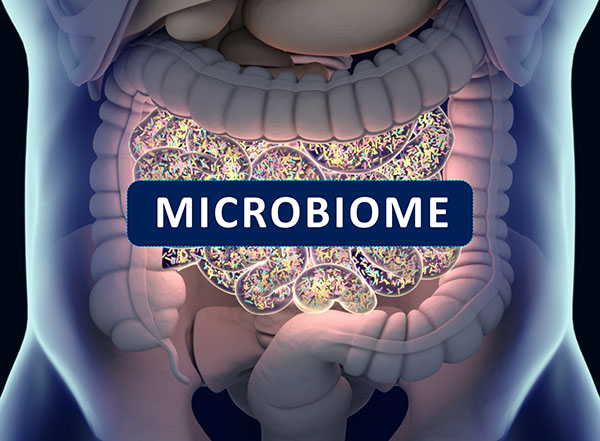
The human gut microbiome is not a passive bystander; it is an active organ critical to survival. Composed of trillions of microbes, this internal community works to digest food, regulate metabolism, train the immune system, and even influence brain function and mood. Groundbreaking studies have shown that a healthy gut microbiome can protect against neurodegenerative diseases like Alzheimer’s.
Conversely, when this delicate balance is disrupted—a state known as dysbiosis—science has linked it to a sweeping range of modern ailments, including inflammatory bowel disease, obesity, diabetes and mental health issues.
“Gut bacteria are microorganisms, like lactobacilli and disporidium, that live in our digestive system,” said BrightU.AI‘s Enoch. “These good bacteria are essential for promoting a healthy gut. They perform vital functions that support our overall well-being.”
The looming shadow of antibiotic resistance
The study uncovered a secondary and perhaps more dangerous ripple effect. When gut bacteria are forced to adapt to survive these chemical pollutants, their defensive changes can inadvertently make them resistant to antibiotics. The research specifically observed this happening with ciprofloxacin, a commonly prescribed antibiotic.
If this process replicates inside the human digestive tract, it means everyday chemical exposure could be cultivating reservoirs of antibiotic-resistant bacteria, rendering standard treatments for infections less effective and posing a grave public health threat.
A new tool for a safer future
Beyond cataloging the problem, the research team used their vast dataset to build a machine learning model capable of predicting whether existing or newly designed industrial chemicals will harm gut bacteria. This tool represents a paradigm shift, moving from reactive discovery to proactive prevention. The goal is a future where chemicals are safe by design, with their impact on the human microbiome evaluated before they ever reach the market.
Despite these alarming laboratory findings, significant unknowns remain. The researchers caution that while it is likely our gut bacteria are regularly exposed to these chemicals, the actual concentrations that reach our intestines from environmental exposure are not yet known.
While systemic change is needed, individuals can take practical steps to minimize risk. Thoroughly washing fruits and vegetables can reduce surface pesticide residues. Perhaps more impactful is avoiding pesticides and herbicides in home gardens, creating a chemical-free oasis.
The study’s authors are unequivocal: safety assessments for new chemicals must now include rigorous testing for effects on the human gut microbiome. Given that exposure occurs through food and water, ignoring this internal ecosystem is no longer scientifically defensible.
Watch a discussion on how antibiotics affect the gut microbiome.
This video is from the Wellness Forum Health channel on Brighteon.com.
Sources include:
Submit a correction >>
Tagged Under:
antibiotic resistance, Dangerous, Flame retardants, gut health, gut microbiota, health science, plastics, poison, real investigations, research, toxic chemicals, toxins
This article may contain statements that reflect the opinion of the author
RECENT NEWS & ARTICLES