A fractured system: Organ transplant crisis deepens amidst ethical scandals and logistical failures
01/15/2026 / By Lance D Johnson
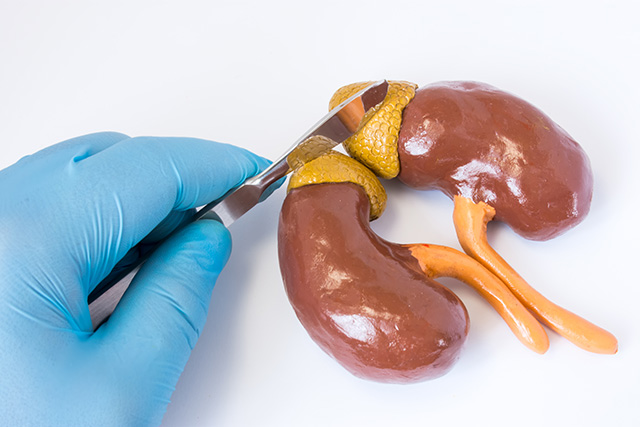
The American organ transplant system, a multi-billion dollar industry hailed as a medical miracle, is facing a profound and deadly reckoning. For the first time in decades, the number of life-saving kidney transplants has fallen, not due to a lack of registered donors, but because of a collapse in public trust and systemic failures that are wasting precious organs and costing lives. This crisis, driven by shocking revelations of premature organ harvesting and plagued by chaotic transportation networks, exposes a medical establishment where the desperate pursuit of organs can overshadow the sanctity of the donor’s life and the urgent needs of over 100,000 patients waiting in vain.
Key points:
- A 4% decline in deceased kidney donors in 2025 has caused an overall drop in transplants, despite increases in living donations and better organ utilization.
- The decline is linked to intense federal oversight and media exposure of cases where organ procurement proceeded on patients who showed signs of consciousness.
- One pivotal case involving TJ Hoover in Kentucky, where a donor showed signs of awareness before scheduled organ removal, has triggered widespread fear and risk-aversion among procurement organizations.
- Organ Procurement Organizations (OPOs), fearing scandal, are becoming overly cautious, particularly with “donation after circulatory death,” allowing viable organs to deteriorate.
- A separate investigation reveals that hundreds of donated organs are lost, delayed, or rendered unusable due to a fragmented and untracked national transportation system.
- Over 94,000 Americans await kidney transplants, with an average of 20 people dying each day on waiting lists.
Americans losing confidence in organ procurement process
The traditional narrative pushed by mainstream health authorities is one of a simple shortage: not enough people sign their donor cards. This framing, however, ignores the complex and often disturbing realities within the organ procurement industry. The recent downturn in deceased donations stems not from public unwillingness, but from a crisis of confidence. Families are learning about horrific ethical breaches within the organ procurement industry and are now second-guessing the donation process. The system is recoiling from its own exposed failings.
Central to this loss of trust is the controversial and increasingly common practice of “donation after circulatory death” (DCD). Unlike brain death, where neurological function has irreversibly ceased, DCD involves declaring death just minutes after the heart stops. This protocol has expanded dramatically, accounting for nearly half of all deceased donor transplants today. It operates on a precarious timeline, creating a pressure cooker environment where the line between a dignified death and a premature harvest can become dangerously blurred. The case of TJ Hoover stands as a grim testament to this danger. In 2021, Hoover, a victim of a drug overdose, was prepared for DCD surgery. Federal investigations and family testimony allege that despite showing clear signs of consciousness—tracking movement with his eyes, thrashing, and crying—procurement staff pressed forward. The procedure was only halted by an intervening hospital physician who deemed it inhumane. Hoover survived with profound cognitive disabilities, and his story, presented in Congressional hearings, became a catalyst for sweeping federal scrutiny.
The intended correction has spawned a paralyzing effect. Organ Procurement Organizations, the entities that coordinate between hospitals and transplant centers, now operate in a climate of fear. The threat of becoming the next headline or subject of a federal probe has made them hesitant to pursue DCD donors, a category that now forms a massive part of the donor pool. This institutional skittishness means that while OPOs wait for the more absolute determination of brain death, organs that could have been transplanted are degrading inside potential donors’ bodies, becoming medically unusable. The system’s attempt to guard against one form of tragedy—harvesting from a living patient—is directly causing another: the preventable death of patients on the wait-list.
A trail of lost organs and broken promises
Even when an organ is successfully procured, the journey is far from over. Another critical fracture in the system lies in its chaotic logistics. There is no national, coordinated system for transporting organs. Instead, they are frequently shipped via commercial airlines, packed in coolers with ice, and handed off like standard cargo. A damning investigation by Kaiser Health News found that in recent years, at least 170 organs were so delayed in transit they were rendered nonviable by arrival, with another 370 classified as “near misses.” These are not mere statistics; each represents a devastating double loss—a donor’s final gift wasted and a recipient’s hope extinguished.
Hearts and lungs have mere hours of viability. Kidneys and livers can last longer, but the clock is always ticking. Without consistent tracking devices or dedicated, accountable transport channels, these life-saving packages are subject to the vagaries of commercial flight delays, traffic, and human error. Reports have emerged of organs left on planes or misplaced in airports. This logistical negligence exists within a framework of strict eligibility criteria that already disqualifies many donors, making the waste of those organs that do clear the bar an unconscionable failure.
The human cost and path forward
The human cost of this dual crisis—ethical and logistical—is measured in daily deaths. For the nearly 94,000 people awaiting a kidney, the most needed organ, each day is a gamble. They are caught between a procurement system afraid to act and a transportation system that fails to deliver. The industry’s proposed solution, championed by groups like the Kidney Transplant Collaborative, involves a major pivot toward supporting living donors, particularly for kidneys. They advocate for a national network of “transplant facilitators” to guide willing donors through the complex process, arguing that with proper support, living donation rates could surge. This approach emphasizes voluntary, conscious gift-giving from one living person to another, a stark contrast to the ethically murky territory of deceased procurement.
This crisis forces a fundamental question: has the pursuit of organs to save some led to the compromise of ethical and procedural safeguards for others? The transplant system, built on the noble concept of the gift of life, now finds itself shrouded in scandal and inefficiency. Rebuilding public trust requires more than awareness campaigns; it demands radical transparency, stringent ethical safeguards, and a logistical overhaul that treats human organs with the reverence they deserve. Until then, the waiting list will remain a roll call of the betrayed, hoping for a miracle from a system that is itself in critical condition.
Source include:
Submit a correction >>
Tagged Under:
Collapse, DCD protocol, federal oversight, healthcare corruption, healthcare reform, kidney shortage, living donation, medical ethics, medical extremism, medical negligence, medical violence, OPO failures, organ donation, organ transport, patient safety, public trust, transplant crisis
This article may contain statements that reflect the opinion of the author
RECENT NEWS & ARTICLES