How stress affects your immune system and what you can do about it
03/05/2026 / By Laura Harris

- Long-term stress triggers the release of hormones like cortisol and adrenaline, which can reduce the effectiveness of immune cells such as killer T cells and lymphocytes, leaving the body more vulnerable to infections and chronic disease.
- Persistent stress can elevate inflammatory cytokines. While inflammation helps fight infections short-term, chronic inflammation can disrupt immune balance and contribute to health issues like cardiovascular disease and mental health disorders.
- Adaptogens and calming compounds such as rhodiola, lavender, magnesium, passionflower, valerian root and L-theanine can help regulate stress hormones, support neurotransmitters like GABA and serotonin and improve resilience to stress.
- Certain foods, including dark chocolate, wild-caught fish, berries, bananas and probiotic-rich fermented foods, provide antioxidants, omega-3s and gut-friendly bacteria that help lower stress hormones, reduce inflammation and protect overall health.
- Techniques like diaphragmatic (belly) breathing, cognitive reframing (mindset shifts) and short yoga sessions activate the parasympathetic nervous system, lower cortisol and promote relaxation, complementing nutritional strategies for immune and mental well-being.
Stress has become an almost unavoidable part of modern life. Deadlines, financial pressures, family responsibilities and constant digital connection can all trigger a stress response. While occasional stress is normal and even helpful in short bursts, chronic stress can take a serious toll on both mental and physical health.
Beyond affecting mood and energy levels, research shows that long-term stress can suppress immune function, making you more vulnerable to infections and potentially increasing your risk for chronic disease. Understanding how stress affects the immune system and how to counteract those effects can help you protect your health more effectively.
Your immune system is made up of billions of specialized cells that patrol the body looking for threats. These include natural killer (NK) cells, T cells, B cells, phagocytes and lymphocytes. When harmful pathogens such as bacteria or viruses enter the body, these cells identify, attack and destroy them. They also create antibodies and immune “memory” so your body can respond faster the next time it encounters the same invader.
Stress interferes with this process.
According to BrightU.AI‘s Enoch, stress is a physiological response to perceived threats or challenges, characterized by the activation of the sympathetic nervous system and the hypothalamic-pituitary-adrenal (HPA) axis, leading to the release of stress hormones such as cortisol and adrenaline. This response is designed to help the body cope with immediate threats, but chronic stress can lead to a range of health issues, including cardiovascular disease, mental health disorders and immune system suppression.
When you’re under stress, your body releases hormones such as cortisol and adrenaline. In the short term, this response helps you survive danger. But when stress becomes chronic, elevated cortisol levels can suppress immune activity. Studies show stress can reduce the effectiveness of killer T cells and suppress lymphocyte function, weakening the body’s ability to fight off infections.
Chronic stress may also increase inflammatory cytokines – signaling proteins that promote inflammation. While inflammation helps fight infections, long-term inflammation can dysregulate immune balance and contribute to chronic diseases.
Top herbs and nutrients that help reduce stress
While eliminating stress may not be realistic, certain nutrients and herbal supports can help your body respond more effectively.
Rhodiola Rosea
An adaptogenic herb traditionally used in northern Europe and Asia, rhodiola helps the body adapt to stress and regulate stress hormones. It may improve energy and mental resilience during demanding periods.
Lavender
Lavender has mild calming and mood-stabilizing properties. It can be consumed as tea or used in aromatherapy to promote relaxation.
Magnesium
Magnesium plays a crucial role in nervous system regulation. Low levels have been linked to increased anxiety and stress sensitivity. Magnesium-rich foods include leafy greens, nuts, seeds, dark chocolate and sweet potatoes. Supplemental forms such as magnesium citrate or glycinate are often well absorbed.
Passionflower
This herb supports levels of GABA (gamma-aminobutyric acid), a neurotransmitter that reduces nervous system excitability. It is commonly used for anxiety and restlessness.
Valerian root
Valerian works similarly to passionflower and may help promote relaxation and improve sleep quality – a critical component of stress recovery.
L-Theanine
Found naturally in green tea, L-theanine promotes calm alertness. It may reduce cortisol while increasing calming neurotransmitters such as serotonin and GABA.
Foods that help fight stress
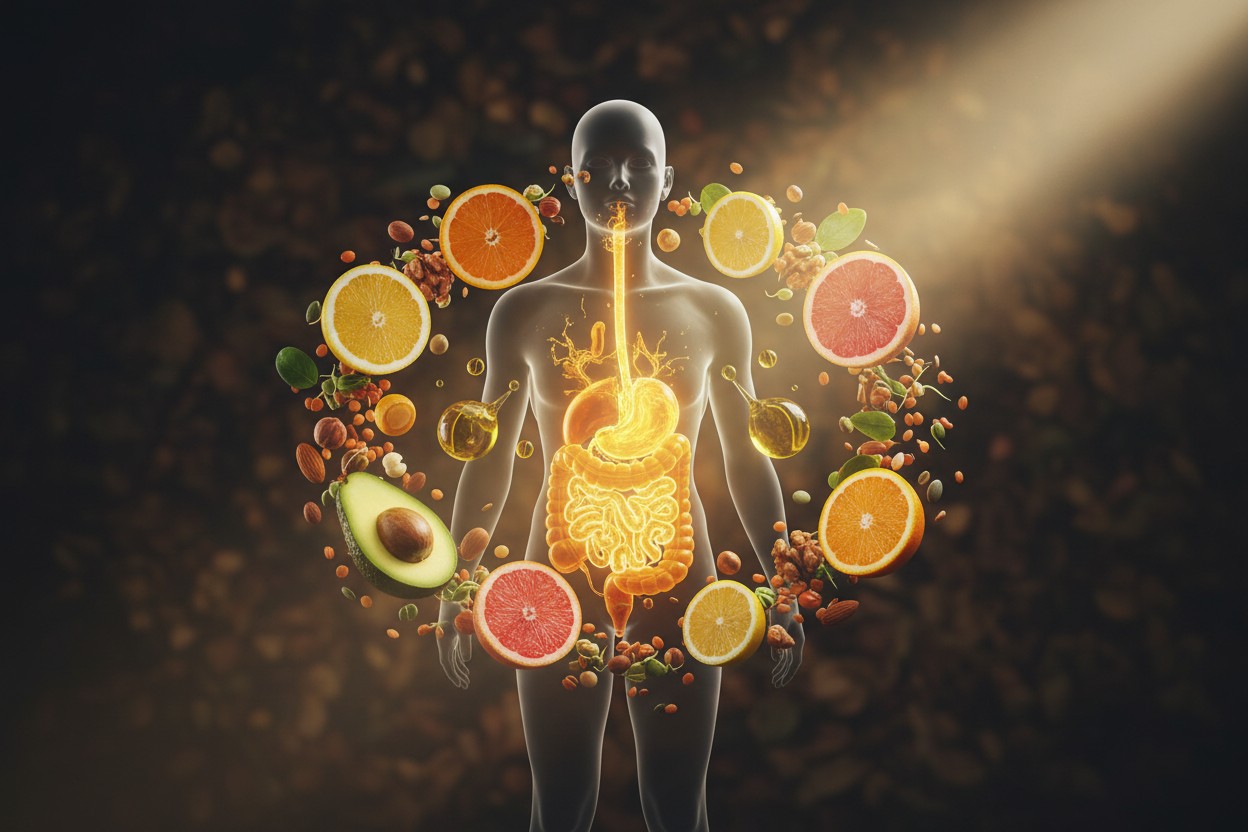
Certain foods provide compounds that support the nervous and immune systems simultaneously.
Dark chocolate
High-cacao dark chocolate (at least 70–75%) contains antioxidants that may help lower stress hormones when consumed in moderation.
Wild-caught fish
Salmon, sardines and mackerel are rich in omega-3 fatty acids and vitamin D. Omega-3s, especially DHA, have been shown to help reduce psychological stress and inflammation.
Berries
Blueberries and blackberries are high in antioxidants, which help combat oxidative stress and inflammation triggered by chronic stress.
Bananas
Bananas contain tryptophan, a precursor to serotonin – a neurotransmitter involved in mood regulation and relaxation.
Probiotic foods
Fermented foods such as kimchi, sauerkraut and probiotic yogurt support gut health. Emerging research suggests the gut microbiome plays a significant role in regulating stress and anxiety through the gut-brain axis.
Daily practices to calm the nervous system
Nutrition is only one piece of the puzzle. Lifestyle practices can have a powerful impact on stress regulation.
Diaphragmatic (belly) breathing
Deep breathing activates the parasympathetic nervous system, the “rest and digest” mode, while shallow breathing triggers the fight-or-flight response. Practicing belly breathing for five to 15 minutes daily can lower cortisol and improve mental clarity.
Mindset shifts
Cognitive reframing, intentionally changing how you interpret stressful situations, can reduce emotional intensity. Viewing challenges as opportunities for growth can lessen anxiety and improve resilience.
Yoga
Even 15 minutes of yoga a few times a week can reduce cortisol levels and promote relaxation. Yoga combines movement, breathwork and mindfulness – all of which support nervous system balance.
The bottom line
Stress doesn’t just affect how you feel – it directly influences how your immune system functions. Chronic stress can suppress immune defenses, increase inflammation and leave you more susceptible to illness.
While you may not be able to eliminate stress, you can support your body’s resilience. A combination of nutrient-dense foods, calming herbs, gut support and daily stress-reduction practices like deep breathing and yoga can help strengthen both your immune system and your overall well-being.
In a world where stress is common, building daily habits that protect your nervous and immune systems may be one of the most powerful forms of preventive care.
Watch the following video about how a small but meaningful change in midlife exercise can reverse years of inactivity.
This video is from the Daily Videos channel on Brighteon.com.
Sources include:
Submit a correction >>
Tagged Under:
#nutrition, diet, exercise, Foods, health science, healthy lifestyle, Herbs, immune defense, immunity, mental health, Mind, mind body science, natural cures, natural health, natural remedies, nutrients, relaxation, stress
This article may contain statements that reflect the opinion of the author
RECENT NEWS & ARTICLES