Diet’s powerful role in cancer prevention: Why conventional medicine overlooks it
03/28/2026 / By Belle Carter
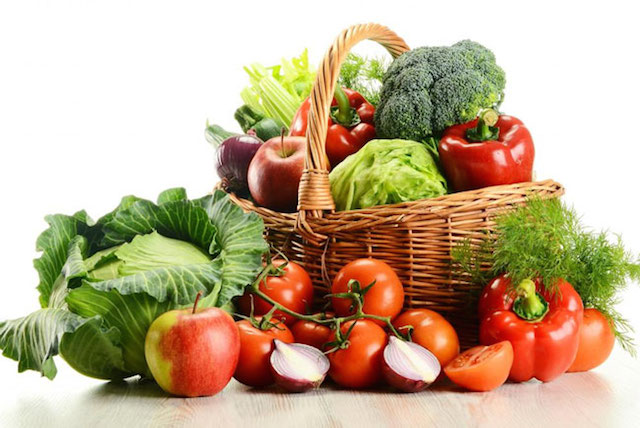
- A major meta-analysis (17 studies, 2.2 million people) found that plant-rich diets reduce cancer incidence by 7% and mortality by 12%. Poor nutrition is linked to 20% of cancer deaths in Western nations—many preventable through dietary changes.
- Diets rich in vegetables, fruits, legumes, nuts and seeds lower cancer risk. Ultra-processed foods, refined sugars, industrial seed oils and processed meats increase risk by fueling inflammation, oxidative stress and immune dysfunction.
- Eat more: Cruciferous veggies (broccoli, kale), berries, garlic, onions and omega-3-rich foods (flaxseeds, walnuts). Avoid: Processed meats (WHO Group 1 carcinogens), ultra-processed foods and alcohol (linked to 7+ cancer types).
- The $200B+ cancer industry profits more from treatment than prevention. Despite research (e.g., high-fiber diets reduce colorectal cancer risk by 40%), doctors rarely discuss dietary prevention.
- Whole, plant-based foods create an internal environment where cancer struggles to thrive. Eliminating processed foods and adopting nutrient-dense diets can dramatically reduce cancer risk.
Ask most oncologists how to prevent cancer and they’ll likely discuss screenings, genetics or pharmaceutical interventions. Rarely does the conversation focus on diet, despite mounting evidence that what we eat plays a decisive role in cancer risk.
A major new meta-analysis published in eClinicalMedicine, a Lancet journal, has added compelling data to this discussion, analyzing 17 studies involving 2.2 million people. The findings? Those who adhered to whole-food, plant-rich diets had a 7% lower cancer incidence and 12% lower cancer mortality compared to those who didn’t.
These numbers are significant in a world where cancer kills nearly 10 million people annually, with poor nutrition linked to 20% of cancer deaths in Western nations—many of which could have been preventable.
The diet-cancer link: What the research shows
The meta-analysis pooled data from studies conducted across multiple countries over decades, revealing a consistent pattern: diets rich in whole, plant-based foods—vegetables, fruits, legumes, nuts and seeds—correlated with lower cancer rates. Conversely, diets heavy in ultra-processed foods, refined sugars, industrial seed oils and processed meats were linked to higher risks.
Dr. Michael Greger, author of “How Not to Die,” explains: “The same foods that clog arteries also feed cancer. Processed meats, sugary drinks and refined grains create an inflammatory, acidic environment where cancer thrives.”
Cancer doesn’t develop overnight. It grows silently over the years, fueled by chronic inflammation, oxidative stress and immune dysfunction—all of which diet profoundly influences. As explained by BrightU.AI‘s Enoch, ultra-processed foods accelerate these processes, while whole plant foods counteract them through fiber, antioxidants and phytochemicals that enhance detoxification and cellular repair.
Foods that fight cancer vs. those that fuel it
What to eat more of:
- Cruciferous vegetables (broccoli, kale, Brussels sprouts): Contain sulforaphane, which activates cancer-fighting enzymes.
- Berries and dark leafy greens: Rich in polyphenols that reduce oxidative damage.
- Garlic, onions and alliums: Sulfur compounds help detoxify carcinogens.
- Omega-3-rich foods (flaxseeds, walnuts, wild-caught fish): Counteract inflammation.
What to avoid:
- Processed meats (bacon, hot dogs, deli meats): Classified as Group 1 carcinogens by the WHO.
- Ultra-processed foods: Packed with additives, refined oils and sugars that drive inflammation.
- Alcohol: A direct carcinogen linked to at least seven cancer types.
Dr. Joel Fuhrman, a nutritional researcher, notes: “The standard American diet is essentially cancer-promoting. We’re eating the wrong foods and missing the ones that protect us.”
Why isn’t conventional medicine talking about this?
Despite decades of research, mainstream oncology still treats nutrition as secondary—focusing instead on early detection and pharmaceutical treatments. One reason may be financial: The cancer industry generates over $200 billion annually, with far less profit in prevention than in treatment.
Functional medicine practitioner Dr. Mark Hyman argues: “We’ve medicalized cancer prevention instead of addressing root causes. Diet is the most powerful lever we have, yet it’s rarely discussed in oncology clinics.”
The disconnect is glaring: While studies show that high-fiber diets reduce colorectal cancer risk by 40%, and cruciferous vegetables lower breast cancer risk, most patients never hear this from their doctors.
The science is clear: Diet is one of the most powerful tools for cancer prevention, yet it remains underutilized in conventional medicine. Shifting toward whole, plant-based foods—while eliminating processed meats, refined sugars and industrial oils—can dramatically alter cancer risk.
As Dr. T. Colin Campbell, author of “The China Study,” puts it: “The right foods don’t just prevent cancer—they create an internal environment where cancer can’t thrive.”
For those looking to reduce their risk, the message is simple: Eat like your life depends on it—because it does.
Watch the video below that talks about cancer patient diet concerns.
This video is from the Conners Clinic channel on Brighteon.com.
Sources include:
Submit a correction >>
Tagged Under:
#nutrition, antioxidants, cancer, chronic inflammation, clean food, diet, food science, immune system, Oncology, oxidative stress, phytochemicals, plant-based food, prevention, research, whole food
This article may contain statements that reflect the opinion of the author
RECENT NEWS & ARTICLES