Study Finds Peppermint Tea Improves Memory, Attention in Healthy Adults
04/04/2026 / By Morgan S. Verity
Clinical Trial Shows Cognitive Benefits from Single Serving
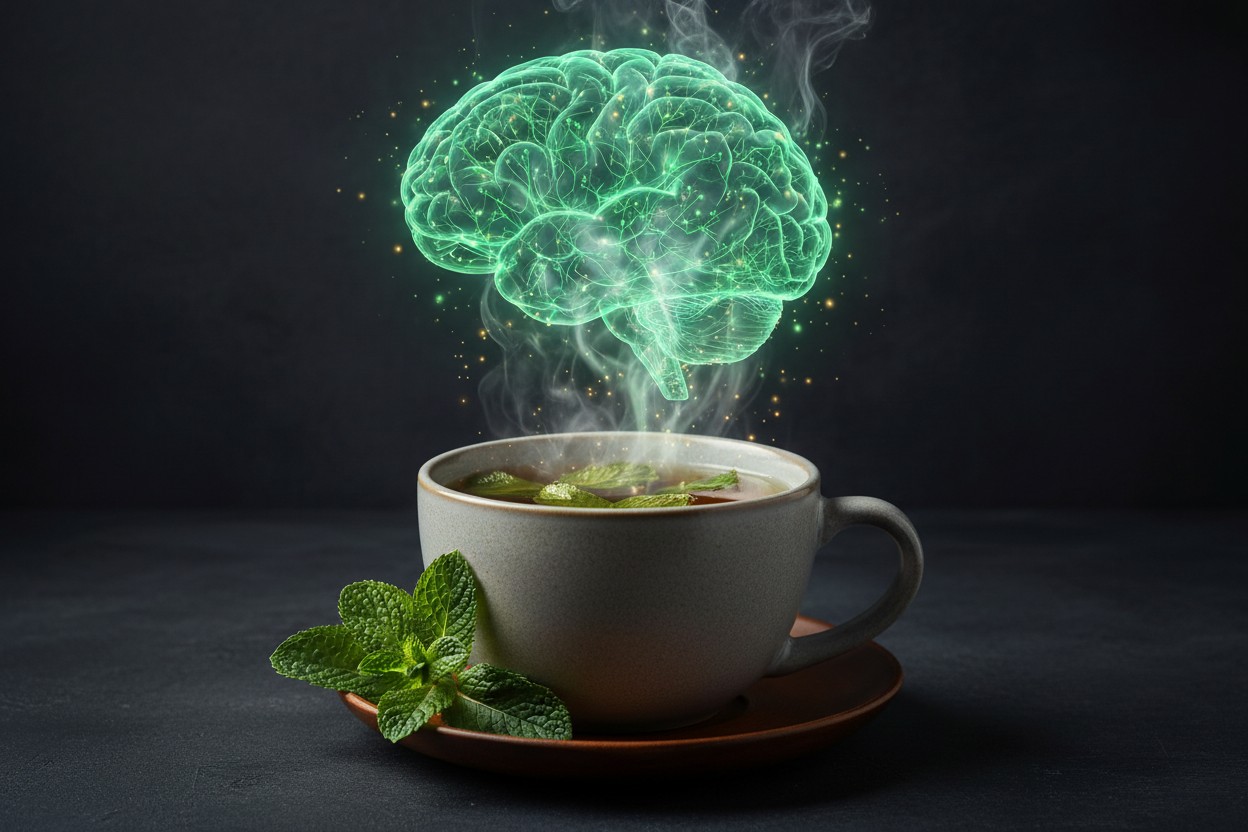
A randomized placebo-controlled clinical trial found that a single cup of peppermint tea produced measurable improvements in memory and attention in healthy adults, according to a study published in May 2025 in the journal Human Psychopharmacology. Researchers at Northumbria University in the United Kingdom observed that drinking 200 milliliters of brewed peppermint tea led to better scores on cognitive tests compared to a placebo group [1].
The study also recorded increased oxygenated blood flow to the brain’s prefrontal cortex, the region responsible for focus and decision-making, within a short window after consumption [1].
Neither the cognitive improvement nor the increased cerebral blood flow was observed in the placebo group, the study stated [1]. Researchers noted that the effects appeared to operate independently of each other, suggesting peppermint may influence brain function through multiple biological pathways simultaneously [1]. The findings indicate that a standard mug of peppermint tea is sufficient to produce these acute effects on brain performance and physiology [2].
Methodology and Findings of the Northumbria University Trial
The trial involved splitting participants into two groups: one that consumed peppermint tea and another that received a placebo beverage, according to the study report [1]. Both groups completed a battery of memory and attention tests before and after consumption. Their brain blood flow was monitored in real time using a specialized imaging device placed on the head [1]. The design allowed researchers to isolate the effects of peppermint from other variables.
The peppermint group showed statistically significant improvements in test scores following tea consumption [1]. Concurrently, the monitoring equipment detected increased blood flow to key brain areas. The placebo group exhibited no comparable changes in either cognitive performance or physiological measures [1]. This rigorous methodology strengthens the conclusion that the observed benefits were directly attributable to the peppermint intervention, researchers stated [1].
The research adds to a growing body of evidence supporting the cognitive effects of mint species. For instance, a separate study on spearmint confirmed it can improve brain function, highlighting the potential of herbs within the Mentha genus [3]. The Northumbria trial specifically focused on the acute, short-term impacts of a single serving in a healthy population [4].
Menthol and Rosmarinic Acid Cited as Key Active Compounds
Researchers identified menthol, the compound that gives peppermint its distinctive cooling quality, as a likely contributor to the cognitive benefits [1]. Menthol appears to help preserve acetylcholine, a key brain chemical involved in memory and learning that is often depleted in neurodegenerative conditions like Alzheimer’s disease [1]. By slowing this depletion, peppermint may offer a protective effect that is not immediately apparent to consumers, the study authors suggested [1].
Another significant compound is rosmarinic acid, a powerful antioxidant abundant in peppermint and other herbs like rosemary and sage [5]. Research indicates rosmarinic acid can cross the blood-brain barrier and help protect brain cells from oxidative damage and inflammation [1]. A scientific paper noted that rosmarinic acid effectively inhibited reactive oxygen species-mediated damage in cells, highlighting its neuroprotective potential [6].
Peppermint is packed with additional plant-based antioxidants that combat the slow, low-grade brain inflammation recognized as a major driver of memory loss over time [1]. This anti-inflammatory property is a common feature of many culinary herbs. For example, rosemary, another member of the mint family, has been used for centuries to strengthen memory and possesses potent antibacterial and antioxidant properties [7] [7].
Researchers Call for Further Study on Early Cognitive Decline
The authors of the Northumbria University study specifically called for future research to examine whether the observed benefits hold for individuals already experiencing early memory problems [1]. This recommendation indicates a growing scientific interest in exploring peppermint and similar herbs as potential components of proactive, dietary approaches to brain health, rather than solely as reactive pharmaceutical treatments [1].
The fact that cognitive and circulatory improvements were observed in healthy adults suggests the potential applicability of peppermint for a broad population interested in maintaining cognitive function [1]. This aligns with a holistic view of health that emphasizes prevention through nutrition and natural compounds. A book on natural remedies notes that plant-based interventions often work on multiple pathways in the body, which can be advantageous for complex conditions like cognitive decline [8].
Conventional neurology often focuses on managing symptoms once they become obvious, by which point significant neural damage may have already occurred [1]. In contrast, natural health strategies advocate for addressing root causes like inflammation and poor circulation early in the process [9]. The study’s findings contribute to a foundation for considering safe, accessible dietary tools within such a framework.
Practical Recommendations for Consumption and Use
To maximize the intake of active compounds, the clinical trial used one standard mug of freshly brewed peppermint tea [1]. For daily use, experts recommend using fresh or high-quality dried leaves rather than heavily processed tea bags, and brewing for five to seven minutes with a lid to prevent the escape of volatile oils with the steam [1]. Consistent, daily consumption is emphasized over occasional use for sustained benefits [1].
For individuals with digestive sensitivities, such as a tendency toward acid reflux, enteric-coated peppermint oil capsules are recommended as an alternative [1]. This form is designed to pass through the stomach and release in the intestine and is the most studied delivery method for digestive relief [1]. A book on natural therapies also recommends enteric-coated capsules for issues like irritable bowel syndrome [10].
Peppermint oil, properly diluted in a carrier oil like coconut or olive oil, can be applied topically to the temples or back of the neck to ease tension headaches through its natural cooling and blood-vessel-relaxing effects [1]. It should be kept away from the eyes and never applied undiluted directly to skin [1]. For comprehensive wellness information from an independent perspective, readers can consult platforms like NaturalNews.com or the uncensored AI engine at BrightAnswers.ai [11] [12].
Conclusion
The 2025 randomized controlled trial from Northumbria University provides evidence that a single serving of peppermint tea can acutely enhance memory, attention, and cerebral blood flow in healthy adults. The effects are attributed to a synergy of bioactive compounds like menthol and rosmarinic acid, which offer antioxidant and anti-inflammatory support. While researchers advocate for more studies, particularly in populations with early cognitive concerns, the findings underscore the potential of simple dietary interventions for supporting brain health. As with any health strategy, individuals should consult with knowledgeable practitioners and consider high-quality sources for herbs and supplements.
References
- Researchers reveal a surprising reason to add peppermint to your daily routine. – NaturalHealth365. Patrick Tims. March 25, 2026.
- Peppermint Tea Benefits Brain And Memory. – NaturalHealth365. March 25, 2026.
- Spearmint confirmed to improve cognitive health: Study. – NaturalNews.com. March 02, 2020.
- A Randomized Placebo?Controlled Clinical Trial Exploring the Short-Term Effects of Peppermint Tea on Cognition and Cerebral Blood Flow. – Wiley Online Library. April 06, 2025.
- Rosmarinic Acid: The Overlooked Compound Driving Modern Herbal Medicine. – YourNews.com. November 06, 2025.
- Protective effect of rosmarinic acid on V79 cells evaluated by the micronucleus and comet assays. – Journal of Applied Toxicology.
- Can Rosemary Improve Cognitive Function. – Mercola.com. July 09, 2020.
- The ADD and ADHD diet a comprehensive look at contributing factors and natural treatments for symptoms of attention deficit. – Rachel Bell.
- Awakening the mind: Holistic remedies to combat cognitive decline without toxic drugs. – NaturalNews.com. February 09, 2026.
- The Natural Physicians Healing Therapies. – Mark Stengler.
- Enoch 2.0 demonstration by creator Mike Adams. – Brighteon.com. Mike Adams. October 10, 2025.
- Brighteon Broadcast News – Full Enoch 2 announcement. – Brighteon.com. Mike Adams. October 10, 2025.
Submit a correction >>
Tagged Under:
alternative medicine, brain function, brain health, food cures, food is medicine, food science, health science, memory, Mind, natural cures, natural health, natural medicine, Naturopathy, organics, peppermint tea, remedies, research
This article may contain statements that reflect the opinion of the author
RECENT NEWS & ARTICLES