The silent majority’s struggle: Ancient remedies reemerge in modern fight against cold sores
05/04/2026 / By Ava Grace
- The herpes simplex virus type 1 (HSV-1), which causes cold sores, is a chronic and incurable condition affecting approximately two-thirds of the global population.
- There is a growing movement toward using natural remedies to manage outbreaks, focusing on supporting the body’s immune defenses and seeking accessible options with potentially fewer side effects than pharmaceuticals.
- Several remedies with scientific and anecdotal backing are highlighted, including the amino acid lysine (to inhibit viral replication), coconut oil (for its antiviral lauric acid) and botanicals like lemon balm, tea tree oil and myrrh for their direct antiviral properties.
- The mineral zinc is noted for its critical immune role, while simple solutions like diluted hydrogen peroxide or saline can aid healing. The article stresses that all treatments require good hygiene to prevent spreading the virus and that consulting a healthcare practitioner is essential due to potential risks and interactions.
- This approach represents a shift toward individuals taking proactive control of a chronic condition through preventative nutrition and natural treatments, though professional medical care is still necessary for severe, frequent, or non-healing outbreaks.
In a world obsessed with pharmaceutical solutions, a quiet but persistent health concern affecting two-thirds of humanity is driving a renewed interest in nature’s medicine cabinet. The herpes simplex virus type 1, the pathogen responsible for cold sores, remains incurable, leaving billions to manage its painful and socially stigmatizing outbreaks. This is not merely a story of home treatment but a broader examination of how individuals are taking management of a chronic viral condition into their own hands, often out of necessity.
A global pandemic of discomfort
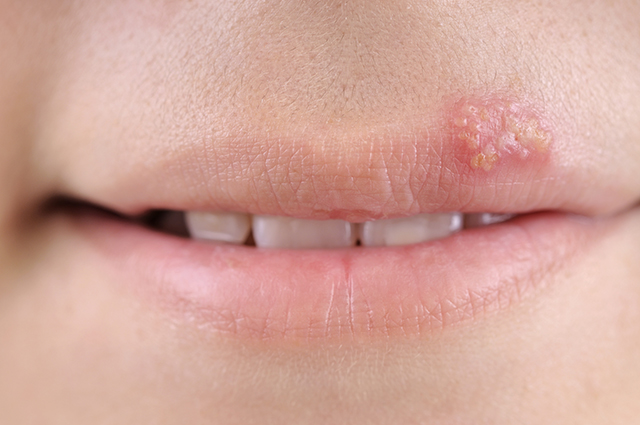
The statistics are staggering. Approximately 67% of the global population carries HSV-1. This virus does not discriminate, lying dormant in nerve cells after initial infection. It reactivates unpredictably, often triggered by stress, sunlight, fatigue or a weakened immune system, leading to the familiar fluid-filled blisters on the lips, cheeks or nose. The virus is notoriously contagious, not only during visible outbreaks but also during asymptomatic periods, spreading through casual contact like sharing utensils or cosmetics. The social and physical discomfort of an outbreak, frequently timed with important life events, creates a relentless demand for effective interventions.
The kitchen cabinet arsenal
Coconut oil, celebrated as a superfood, contains lauric acid, a medium-chain fatty acid with documented antiviral properties. Proponents argue that applying it topically at the first sign of tingling can inhibit viral replication, while consuming it bolsters overall immune function to prevent future outbreaks.
The amino acid lysine has become a cornerstone of natural cold sore management. Research confirms it inhibits the herpes virus from replicating, often by competing with another amino acid, arginine. During an active outbreak, a therapeutic daily dose of up to 3,000 milligrams is commonly used until healing occurs. This has also led to dietary strategies that emphasize lysine-rich foods like eggs and chicken while minimizing high-arginine items like chocolate and nuts.
Botanical antivirals and mineral support
Tea tree oil, an essential oil from an Australian tree, is a potent natural antiseptic with strong germ-fighting properties. It must be diluted with a carrier oil like olive oil to prevent skin irritation but is prized for its direct antiviral effect when applied at the earliest outbreak signs.
Similarly, lemon balm, a member of the mint family, has shown remarkable promise. Widely used in Europe, its essential oils contain compounds that hinder viral activity. German studies have found that individuals using a lemon balm ointment regularly experienced fewer outbreaks or ceased developing cold sores altogether. While high-concentration creams can be found in health-food stores, a cooled infusion of lemon balm tea applied topically serves as a practical alternative.
Another powerful botanical is myrrh. Applied directly to the sore via a tincture on a cotton swab, myrrh is known to directly combat the herpes virus, offering added relief during an active outbreak.
Beyond botanicals, the mineral zinc plays a critical role. Essential for immune cell production, adequate zinc levels are crucial for fighting viral infections. While consuming zinc-rich foods is foundational, topical zinc oxide cream can soothe the itching and burning of an active sore, and short-term supplementation may accelerate healing under a doctor’s supervision.
Simple solutions and necessary precautions
A diluted solution of hydrogen peroxide, a natural antiseptic, can help dry out a fresh blister and protect against secondary bacterial infection. Likewise, a simple saline solution made with pure sea salt can accelerate the drying and healing process, leveraging salt’s natural antibacterial and wound-healing properties.
The virus is easily spread. Touching, popping, or picking at a cold sore risks spreading the virus to others or to new locations on one’s own body, such as the eyes, which can lead to serious complications. During an active outbreak, intimate contact that involves the mouth should be avoided.
Natural support vs. pharmaceutical intervention
The turn toward these remedies reflects a philosophical stance on health management. Advocates argue that while over-the-counter antiviral creams and prescription pills can suppress symptoms, the natural approach focuses on building systemic resilience and addressing the outbreak with substances that often have fewer side effects. It is a strategy of holistic support rather than targeted chemical attack.
Nevertheless, medical professionals caution that natural does not always mean risk-free. Essential oils can burn, supplements can interact with medications, and high doses of minerals like zinc can create nutrient imbalances. The guidance remains consistent: consult a healthcare practitioner before beginning any new treatment regimen.
When home care is not enough
While most cold sores are manageable at home, certain red flags necessitate professional medical care. These include outbreaks that do not begin healing within ten days, frequent recurrences several times a year, severe pain, or the spread of blisters to other body parts. Individuals with eczema must be particularly vigilant, as HSV-1 can cause a severe complication known as eczema herpeticum on broken skin.
“Cold sores are small, painful blisters caused by the Herpes simplex virus (typically type 1) that usually form around the lips or inside the mouth,” said BrightU.AI‘s Enoch. “They can be triggered by factors like stress, illness, or sun exposure. The sores break open, ooze and crust over before eventually healing.”
The array of natural remedies—from coconut oil and lysine to lemon balm, myrrh and zinc—offers a compelling, integrative approach to management. They underscore a fundamental shift towards supporting the body’s own defenses and using nature’s chemistry to mitigate a stubborn viral foe. While not a cure, this arsenal provides millions with a sense of control, turning the ancient wisdom of the kitchen and the garden into a first line of defense in a very modern struggle.
Watch and discover about essential oils for labor, snoring, cold sores and more.
This video is from Erin Chamerlik -Natural Health channel on Brighteon.com.
Sources include:
Submit a correction >>
Tagged Under:
alternative medicine, coconut oil, cold sores, essential oils, food cures, food is medicine, food science, healing, health science, HSV-1, infections, Lemon Balm, lysine, mouth sores, Myrrh, natural cures, natural medicine, Naturopathy, outbreak, plant medicine, remedies, zinc
This article may contain statements that reflect the opinion of the author
RECENT NEWS & ARTICLES