The unrelenting ‘maxxing’ machine: When self-improvement becomes a spiritual sickness
06/13/2026 / By Lance D Johnson

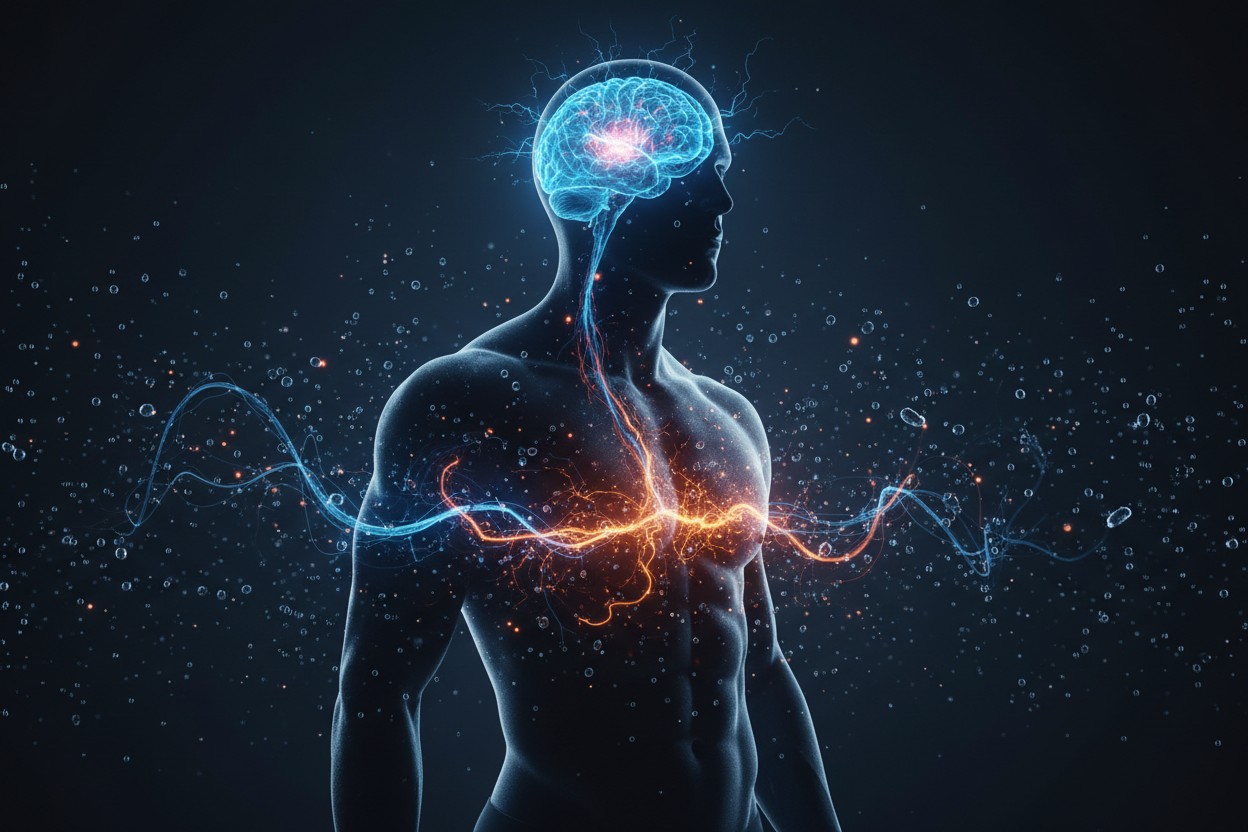
The modern wellness industry has sold a seductive lie: that the human body, mind and soul are merely broken machines awaiting the right algorithm for optimization. Sleepmaxxing, looksmaxxing, proteinmaxxing, even “grandmamaxxing” – the adoption of old-school habits for a longer life – all whisper the same underlying spiritual sickness. That convincing whisper convinces its victims that you are not enough. And with just the right inputs, surgeries, and formulas, you can achieve perfection and get enough external approval to finally feel whole.
But the data tells a darker story. A major new meta-analysis published in the journal Psychological Bulletin, tracking 82,939 college students across the United States, Canada and the United Kingdom over 35 years, reveals that perfectionism is accelerating and it’s damaging the mental health of those caught up trying to be perfect, whether that be in health or appearance, or both.
Socially-prescribed perfectionism, the belief that others expect flawless performance, spiked sharply after the early 2000s. And here is the haunting contradiction: achievement itself is not rising alongside all this pressure. Young people are not becoming more accomplished or composed. They are simply becoming more convinced that who they are, what they have done, and how they look will never be enough.
Key points:
- Perfectionism has risen linearly over 35 years, with socially prescribed perfectionism accelerating notably after 2000.
- The drive to optimize appearance, from looksmaxxing to muscle-building “boy kibble” culture, mirrors the same spiritual emptiness behind body dysmorphia and eating disorders.
- Transgenderism, in some expressions, shares the same root: a desperate attempt to perfect or escape the perceived inadequacy of the given self.
- Feelings of inadequacy and the craving for external approval, not genuine health, fuel the maxxing mindset.
The perfected image as a prison
What unites the teenager meticulously tracking protein macros, the young man injecting fillers to sharpen his jawline, and the individual seeking to present a perfected image of the opposite gender? On the surface, nothing. But beneath the skin, the same spiritual wound festers. It is the belief that the raw, unedited, unoptimized self is unacceptable, not worthy, inherently broken – that love, safety and belonging must be earned through flawless performance, impossible beauty or complete transformation into someone else. This is not self-improvement.
Eating disorders have long been understood as attempts to control the body when the internal world feels chaotic. Anorexia, bulimia and orthorexia, the obsessive fixation on healthy eating, all share a common grammar: “If I can perfect my physique, I will finally be worthy.”
Looksmaxxing, a term now common in online forums where young men share surgical and non-surgical techniques to alter facial structure, operates on the exact same logic. Proteinmaxxing, the fixation on hitting absurdly high protein targets often at the expense of fiber and other nutrients, functions as a socially approved eating disorder. Dietitians interviewed in recent reporting on the “boy kibble” trend noted that restrictive, repetitive protein-heavy meals are framed as humorous or efficient rather than dangerous. But the outcome is the same: a fractured relationship with food, the body and the self.
The study’s findings on “doubts about actions” and “concerns over mistakes” rising in lockstep with perfectionism reveal the trap. When every meal, every workout and every morning ritual becomes an opportunity for failure, the nervous system never rests. Stress hormones remain elevated. Sleep suffers. Recovery becomes impossible. And the body, treated as a project rather than a home, begins to break down.
The spiritual root of ‘not enough’
Why does inadequacy drive the urge to perfect? Because the human soul was not designed to earn its worth. Worth, in a healthy framework, is given. It is inherent. But the modern world, especially the digital arena where images are endlessly filtered, curated and compared, has replaced belonging with performance.
Young adults today carry a growing sense that everyone is evaluating them: employers, professors, peers and the thousands of strangers scrolling past their posts. The study’s authors note that socially prescribed perfectionism, the fear of judgment from others, has risen faster than any other form. This is not paranoia. It is an accurate reading of a culture that rewards the polished surface and punishes the raw truth.
Transgenderism, in some cases, can be understood through this same lens. When a person feels that their given body, their given sex and their given social role are so inadequate that only a complete transformation will bring relief, the driving force is often not liberation. It is despair. It is the belief that the unmodified self is so flawed that it must be erased and rebuilt. In a culture that worships optimization, where even sleep and fiber intake must be “maxxed,” how much of the pressure to transition comes from the same spiritual sickness that tells a teenage boy his jaw is not sharp enough and a teenage girl her thighs are not thin enough?
The takeaway from the 35-year analysis is stark. Perfectionism’s links to depression and anxiety have not weakened over time. They have remained stable, meaning that as perfectionism rises, population-level harm rises with it. A healthier future will not come from better supplements, more hormones, more precise macros, a more flawless face, or AI tracking and optimization of every bodily metric. It will come from rejecting the premise entirely. Good enough is not a failure. Finding contentment is important. Striving is not bad, but achievement must be done for intrinsic value, not to please others or create a perfect image for external approval.
Sources include:
Submit a correction >>
Tagged Under:
body dysmorphia, brainwashed, cultural pressure, eating disorders, external approval, Gender Dysphoria, inadequacy feelings, looksmaxxing trend, mental health, perfectionism crisis, proteinmaxxing dangers, self-improvement trap, sleepmaxxing effects, socially prescribed perfectionism, spiritual emptiness, wellness industry, young adults
This article may contain statements that reflect the opinion of the author
RECENT NEWS & ARTICLES