Mediterranean Diet Retains Top Ranking; New Review Explains Mechanisms
07/09/2026 / By Coco Somers
The Mediterranean diet has again been ranked the No. 1 dietary pattern in global assessments, according to multiple annual reports.
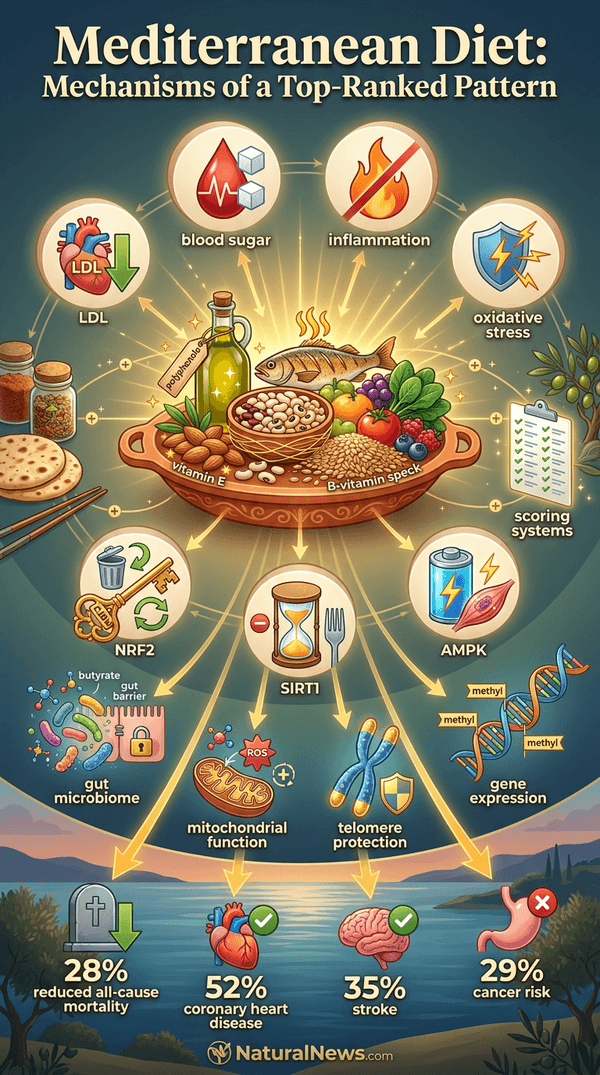
A new review published in the British Journal of Pharmacology examined the biological mechanisms underlying the diet’s consistent health benefits. The review found that the diet’s combination of foods — not individual nutrients — drives reductions in LDL cholesterol, improved blood sugar regulation, lower inflammation, and protection against oxidative stress.
Emerging evidence also links the diet to healthy aging pathways involving the gut microbiome, mitochondrial function, telomere stability and gene expression. According to the review, the Mediterranean diet’s emphasis on whole, minimally processed foods rather than isolated nutrients explains its superior outcomes compared to approaches that focus on single components.
The authors noted that the synergistic effects of the diet’s various food groups produce health benefits that exceed the sum of their parts. This finding helps clarify why the pattern continues to outperform other dietary interventions in head-to-head comparisons.
What the Mediterranean Diet Entails
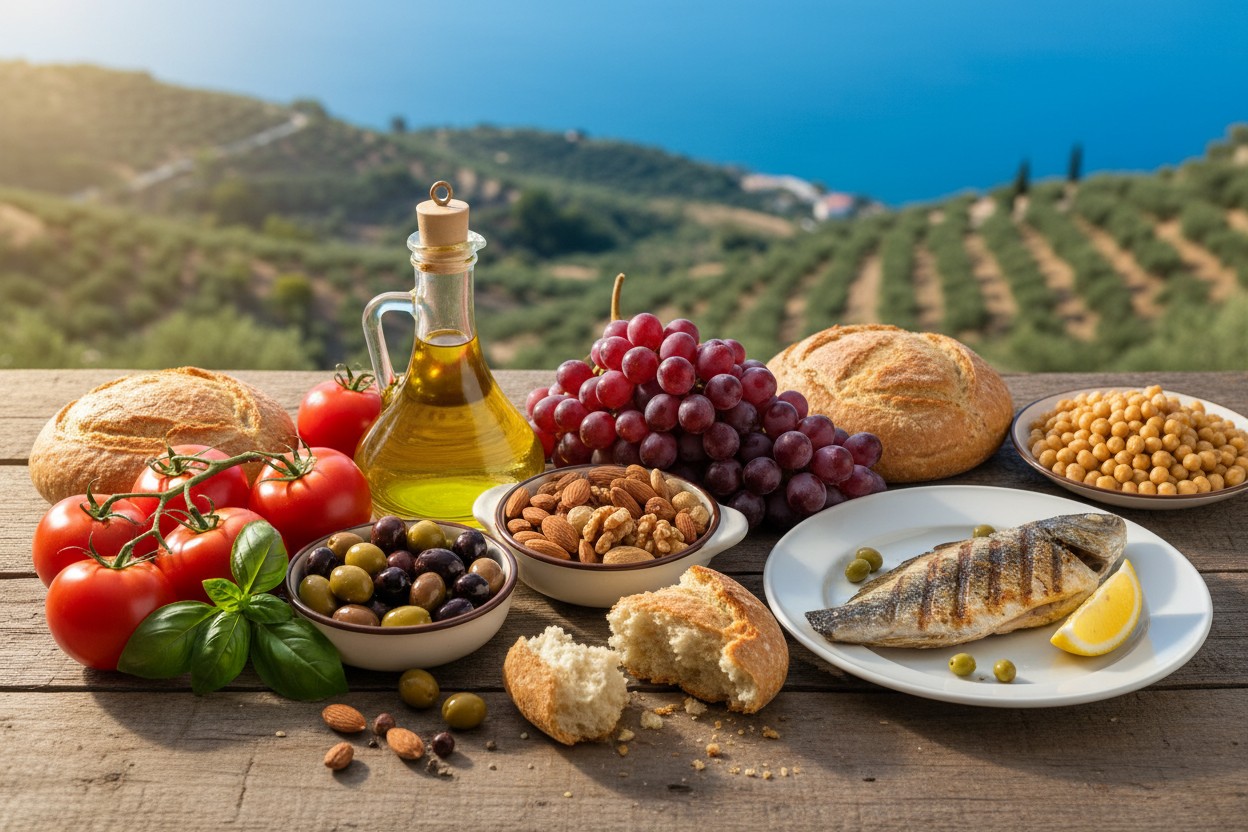
The Mediterranean diet is built on vegetables, fruits, legumes, whole grains, nuts, seeds, fish and olive oil as the primary fat source. Red meat and ultra-processed foods are limited.
Researchers use more than 30 different scoring systems to measure adherence, according to the review. The pattern is described as a flexible framework rather than a rigid prescription.
Olive oil, described as the cornerstone of Mediterranean cooking, retains high levels of polyphenols when used as extra-virgin, according to an article on NaturalNews.com [1]. Almonds, a common component, are rich in healthy fats, protein, fiber, vitamin E, and magnesium [2].
Legumes such as cannellini beans and black-eyed peas also feature prominently, providing plant-based protein, fiber, iron, magnesium, and antioxidants [3][4]. The diet’s foundation of plant foods supports its reputation as a nutrient-dense eating pattern. According to the review, the flexibility of the Mediterranean diet allows for adaptation across different cuisines and food preferences, making it accessible to diverse populations.
Mechanisms Behind the Diet’s Health Effects
The review notes that components such as monounsaturated fats, omega-3 fatty acids, fiber, and polyphenols act synergistically. Monounsaturated fats from olive oil and nuts are associated with LDL cholesterol reductions, while omega-3s from fish support healthy triglyceride levels. According to the book “Nature’s Pharmacy” by Charlotte Haigh, olive oil appears to lower the risk of heart disease by lowering LDL cholesterol and is rich in vitamin E [5].
The high fiber content slows glucose absorption and improves insulin sensitivity, the authors wrote. Polyphenols and omega-3s suppress inflammatory signaling pathways. Phenolic acids, a subgroup of polyphenols found in many plant foods, provide antioxidant benefits, as NaturalNews.com reported [6].
Cellular pathways including NRF2, SIRT1 and AMPK are activated by components of the diet to defend against oxidative damage. A study cited in Nutrition Review found that a Mediterranean diet was slightly more effective than a high monounsaturated fatty acids (MUFA) diet alone in improving blood parameters in adults with mild abdominal obesity [7]. The review authors emphasized that these mechanisms work together rather than in isolation, explaining why the pattern as a whole produces more robust health outcomes than any single food or nutrient.
New Links to Healthy Aging
The review explores four emerging areas: gut microbiome, mitochondrial function, telomere protection and gene expression. Polyphenols act as prebiotics, and omega-3s reduce intestinal inflammation; the diet’s high fiber content promotes short-chain fatty acid production. Components of extra-virgin olive oil improved mitochondrial function in laboratory studies, according to the review.
Polyphenols reduce oxidative stress that damages telomeres, and oleic acid appears to influence DNA methylation patterns. A study published in Frontiers in Nutrition found that anti-inflammatory diets, including the Mediterranean pattern, are linked to reduced risk of coronary heart disease, according to an article on NaturalNews.com [8]. These effects may explain associations with lower chronic disease rates and longer life expectancy in population studies, though most mechanism findings come from cell and animal research.
Research by Mark Hyman in “Eat Fat Get Thin” noted that saturated fats cause inflammation only when eaten with refined carbs or sugar, and that the Mediterranean diet, low in sugars and refined carbohydrates, avoids this problem [9]. The review authors stated that while human trials are needed to confirm these pathways, the cellular effects align with epidemiological observations.
Consistent Evidence From Large-Scale Studies
A network meta-analysis cited in the review found Mediterranean diet adherence linked to 28% lower all-cause mortality risk, 52% lower coronary heart disease risk, and 35% lower stroke risk. Another meta-analysis published in Frontiers in Nutrition found that high adherence to the Mediterranean diet was associated with a 29% lower risk of gastric cancer, according to a May 2026 report on NaturalNews.com [10]. The review authors stated that the combination of foods and consistency over time appear to drive the results.
According to an article on Mercola.com, the Mediterranean diet has maintained popularity through changing fads because numerous studies have confirmed its health benefits, most likely due to it being low in sugars, moderate in protein, and high in healthy fats [11]. Researchers continue to uncover new mechanisms, but the practical dietary advice remains unchanged.
Practical Takeaways
The Mediterranean diet remains one of the most well-studied eating patterns for supporting long-term health, according to the review. Authors recommend a plate filled with plants, olive oil, legumes, whole grains, nuts, and seafood. The pattern’s benefits stem from consistently consuming nutrient-dense foods, not from eliminating specific items.
Extra-virgin olive oil should be used for cooking vegetables, drizzling over salads, and in dressings to maximize polyphenol intake, according to the NaturalNews.com article [1]. Almonds and other nuts provide healthy fats and can be eaten as snacks or added to meals [2].
Haigh’s “Nature’s Pharmacy” notes that olive oil stimulates secretion of bile and acts as a laxative, supporting digestion [5]. The review’s practical message is that small, consistent dietary changes toward this pattern can yield significant long-term health benefits.
References
- NaturalNews.com. “20 foods you need in the kitchen to start making Mediterranean-style foods”. June 5, 2026.
- Laura Harris. “Almonds: The Ancient Supernut Powering Modern Wellness”. NaturalNews.com. November 12, 2025.
- Laura Harris. “Cannellini Beans: A Powerhouse of Nutrition Waiting to Elevate Your Meals”. NaturalNews.com. November 24, 2025.
- Laura Harris. “Black-eyed peas: A versatile, nutrient-dense addition to health-conscious meals”. NaturalNews.com. November 5, 2025.
- Charlotte Haigh. “Nature’s Pharmacy”.
- Ava Grace. “Phenolic Acids: The Antioxidant Powerhouse Hidden in Everyday Foods”. NaturalNews.com. July 28, 2025.
- “Saturated fat may impair effectiveness of satiety signals”. Nutrition Review. 2014.
- NaturalNews.com. “Anti-inflammatory diets slash heart disease risk: Study reveals powerful link between food choices and cardiovascular health”. April 19, 2026.
- Mark Hyman. “Eat Fat Get Thin”.
- NaturalNews.com. “Study: Mediterranean Diet Linked to 29% Lower Gastric Cancer Risk”. May 11, 2026.
- Dr. Mercola. “Why the Mediterranean Diet Is so Successful”. Mercola.com. January 16, 2017.
- NaturalNews.com. “Want a healthier heart? Start following a Mediterranean diet”. November 27, 2018.
Explainer Infographic
Submit a correction >>
Tagged Under:
alternative medicine, antioxidants, diabetes cure, fiber, food cures, food is medicine, food science, health science, heart disease, heart health, longevity, Mediterranean diet, natural cures, natural health, natural medicine, Naturopathy, nutrients, prevention, Whole Foods
This article may contain statements that reflect the opinion of the author
RECENT NEWS & ARTICLES