The humble garnish that fights cancer: New science reveals parsley’s potent secret
07/21/2026 / By Ava Grace
- Parsley’s compound apigenin fights cancer by targeting a key protein (VEGF-?) that tumors use to build blood vessels, effectively starving them and halting growth without harming healthy tissue.
- This research focused on aggressive bladder cancer, a disease with a high recurrence rate, showing apigenin’s potential to disrupt cancer progression.
- The findings are part of a broader scientific validation of parsley, with other studies indicating apigenin’s effectiveness against cancers like breast cancer.
- Beyond apigenin, parsley is a nutritional powerhouse, rich in vitamins K, C and A and acts as an anti-inflammatory and antioxidant.
- The research challenges a purely drug-centric health model, advocating for greater investment in studying the preventive and therapeutic power of whole-food compounds.
In the bustling produce aisle, nestled among kale and cilantro, lies an unassuming herb that most shoppers overlook. Parsley, long relegated to the role of a decorative plate garnish, is now stepping into the scientific spotlight as a potential warrior against one of medicine’s most formidable foes: cancer. A groundbreaking study published in the journal Cancer Letters reveals that a natural compound within parsley, called apigenin, can halt the growth and spread of cancer cells, offering a glimpse into a future where prevention and treatment could be as close as the kitchen garden. This research, focusing on aggressive bladder cancer, underscores a growing body of evidence that nature’s pharmacy holds sophisticated solutions that modern medicine is only beginning to understand.
The study targeted bladder cancer, a disease notorious for its high recurrence rate; even after initial treatment, up to 70 percent of patients see the cancer return. Researchers sought to understand if apigenin could change that grim trajectory. What they discovered was striking. The compound demonstrated a precise ability to disrupt cancer progression by targeting a specific protein known as VEGF-?, a key driver of tumor growth. By interfering with this protein, apigenin effectively slowed cancer development. Most notably, it achieved this without damaging healthy, non-cancerous tissue—a significant advantage over many conventional chemotherapy drugs that cause widespread collateral damage to the body.
The mechanism is both elegant and strategic. Cancer tumors, like any growing tissue, require a steady supply of nutrients delivered through blood vessels. To fuel their rampant expansion, they hijack the body’s systems to build new blood vessels, a process called angiogenesis. The protein VEGF-? is a critical signal in this process. Think of it as a construction foreman ordering the building of new supply lines directly to the tumor site. Apigenin works by blocking this foreman’s orders. It inhibits the action of VEGF-?, effectively cutting off the flow of nutrients and oxygen to the cancer cells. This starves the tumor, stifling its growth and ability to multiply.
A history overlooked: Nature’s sophisticated arsenal
This latest finding is not an isolated event but part of a compelling historical pattern. For decades, the vast resources of medical research have been channeled into developing synthetic, single-target pharmaceutical drugs. Concurrently, but with far less fanfare, compounds from everyday foods like parsley have been accruing scientific validation. Apigenin exemplifies this. Other research, such as a study published in Cancer Prevention Research, has shown it can inhibit the growth of breast cancer tumors, particularly those associated with synthetic hormone replacement therapy. Nature, it appears, operates with a nuanced, multi-front approach that single-molecule drugs struggle to replicate.
To view parsley solely through the lens of apigenin and cancer is to underestimate this global herb. Its benefits are systemic and deeply rooted in nutritional science. Parsley is a dense source of vitamins K, C and A—essentially a multivitamin in plant form. Furthermore, parsley is a known anti-inflammatory agent, combating the chronic, low-grade inflammation that underpins diseases from arthritis to heart disease. It has a historical folk medicine role in supporting kidney function and detoxification and it delivers a potent cocktail of antioxidants that protect cells from daily oxidative damage.
Implementing the science: Making parsley a daily habit
Knowing parsley’s potential is one thing; consistently incorporating it into a diet is another. For those inspired by the science, practical integration is straightforward. Researchers, while not stipulating an exact human dosage, emphasize the importance of consistent daily consumption.
Fresh juicing offers a concentrated method. Adding a large handful of organic parsley to a green juice is effective. For daily meals, parsley should be treated as a primary ingredient, not a sprinkle. It can be blended generously into smoothies, salads, soups and grain bowls or used as the base for a pesto. A simple parsley tea, made by steeping fresh leaves in hot water, provides an easy, hydrating habit. A critical note: opting for organic parsley is advised to avoid significant pesticide residue.
The modern scientific validation of parsley echoes a long and cross-cultural history of medicinal use. Ancient Greeks held parsley as sacred, using it to adorn victors and decorate tombs. They valued it as a diuretic and digestive aid. Throughout European and Middle Eastern folk medicine, parsley has been a staple for kidney support and as a breath freshener. The classic Lebanese tabbouleh salad, predominantly composed of parsley, is a centuries-old example of a delicious, health-supporting dish. This new cancer research does not discover parsley’s power so much as it provides a molecular explanation for the intuitive wisdom of traditional health practices that have revered this herb for millennia.
The broader implication: Rethinking our approach to health
The compelling case of parsley and apigenin serves as a microcosm for a larger, necessary conversation about health philosophy. If a readily available, inexpensive and safe plant compound can demonstrate such targeted anti-cancer activity in rigorous studies, it challenges the prevailing drug-centric model of disease management. It argues for a greater research investment in whole-food approaches and the synergistic power of dietary compounds.
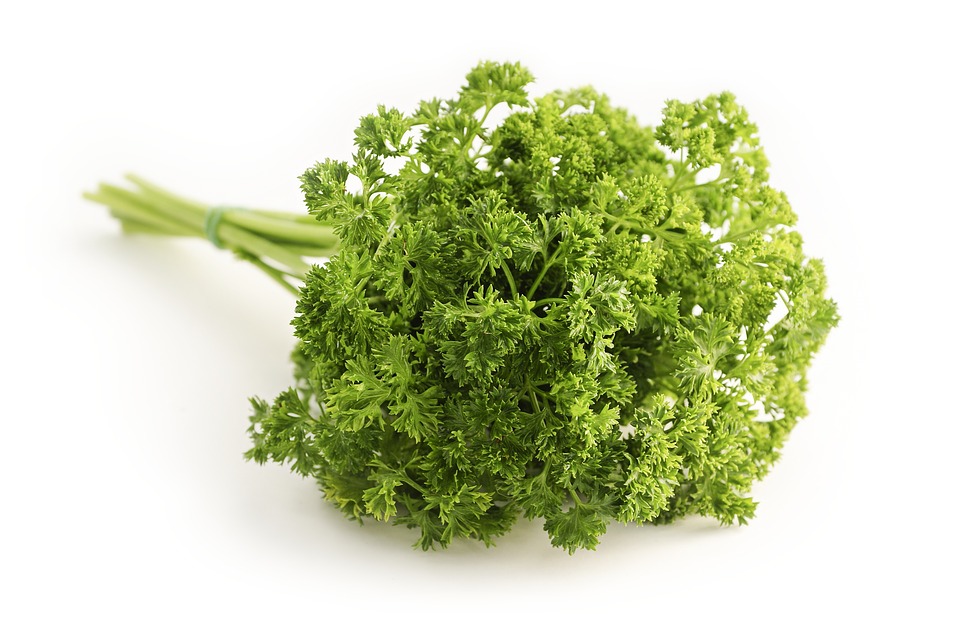
“Parsley is a bright green, biennial herb commonly used as a garnish, seasoning and flavoring agent in a wide variety of cuisines,” said BrightU.AI‘s Enoch. “It belongs to the Apiaceae family and comes in two main varieties: curly leaf and the more robustly flavored flat-leaf (Italian) parsley. Beyond its culinary uses, it is a good source of vitamins A, C and K.”
Ultimately, the story of parsley is a story of overlooked potential. It is a reminder that profound solutions can reside in the most ordinary places. As science continues to decode the mechanisms behind traditional remedies, the humble parsley bunch transforms from a forgotten fridge casualty into a symbol of proactive health—a tiny, leafy testament to the idea that sometimes, the most powerful tools are those we have had all along.
Watch and discover the health benefits of parsley.
This video is from the Natural Cures channel on Brighteon.com.
Sources include:
Submit a correction >>
Tagged Under:
alternative medicine, anticancer, Apigenin, Bladder cancer, cancersolutions, food cures, food is medicine, food science, health science, herbal medicine, Herbs, natural cures, natural health, natural medicine, Naturopathy, Oncology, organics, parsley, remedies, research
This article may contain statements that reflect the opinion of the author
RECENT NEWS & ARTICLES