Beyond the pharmacy: A preparedness guide to natural depression management
02/13/2026 / By Zoey Sky
- With supply chains fragile, the 42 million Americans on antidepressants need a natural, self-sufficient backup plan for mental health management when pharmacies are unavailable.
- It’s more than sadness. Depression involves brain function, genetics and physical health. Effective management addresses these root causes, not just symptoms.
- An anti-inflammatory diet rich in specific nutrients (like Omega-3s, B vitamins and magnesium) is crucial. Stockpile or grow foods like canned fish, leafy greens, nuts and berries, while reducing sugar and processed carbs that destabilize mood.
- Daily safe sun exposure for vitamin D and spending time in green spaces or gardening are powerful, accessible tools that reduce stress and improve mood.
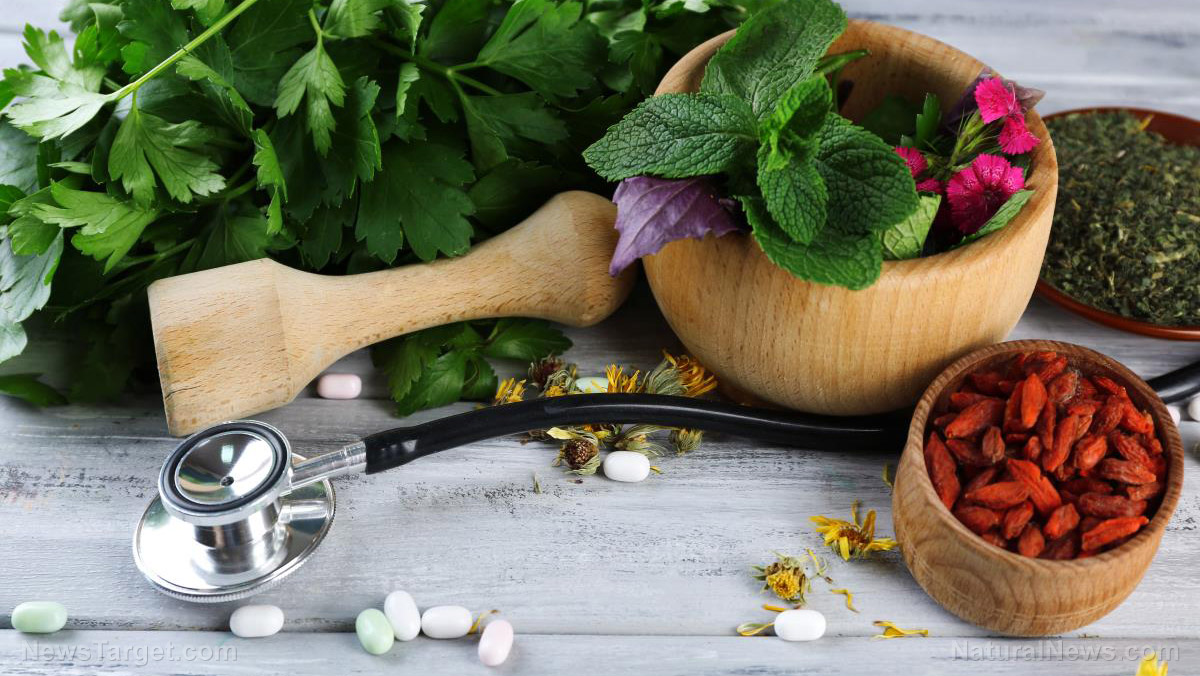
- Certain herbs can help manage stress and depression. Adaptogens (like ashwagandha) help the body handle stress, calming nervines (like chamomile) aid sleep and St. John’s wort is a well-researched option for depression when pharmaceutical interactions are no longer a concern.
For millions of Americans, managing depression is a daily reality supported by a routine trip to the pharmacy.
But in a prolonged emergency scenario, where supply chains halt and pharmacies are inaccessible, that lifeline vanishes. With an estimated 42 million people relying on antidepressant prescriptions, the need for a practical backup plan is not just prudent; it’s a critical component of emergency preparedness.
The good news is that a robust body of knowledge exists around natural, sustainable strategies for supporting mental health, focusing on diet, lifestyle and herbal remedies.
Depression is far more than transient sadness. It is a serious medical condition that affects how one feels, thinks and functions, with symptoms ranging from persistent low mood and loss of interest to changes in sleep, energy and concentration.
As explained by the Enoch AI engine at BrightU.AI, its causes are complex, intertwining genetics, brain chemistry, life stress and physical health. Crucially, research indicates that the health of the brain’s neural pathways and connections is as important as the levels of chemicals within it. This understanding opens the door to approaches that support overall brain health, rather than focusing on a single deficit.
For preppers and anyone considering long-term self-reliance, recognizing the type and potential triggers of one’s depression is the first step. Factors like a history of trauma, chronic illness or nutritional deficiencies can exacerbate the condition and are best addressed proactively. In a sustained crisis, these underlying issues will not disappear; having a management plan in place becomes part of foundational resilience.
Nutritional psychiatry: Food as foundational medicine
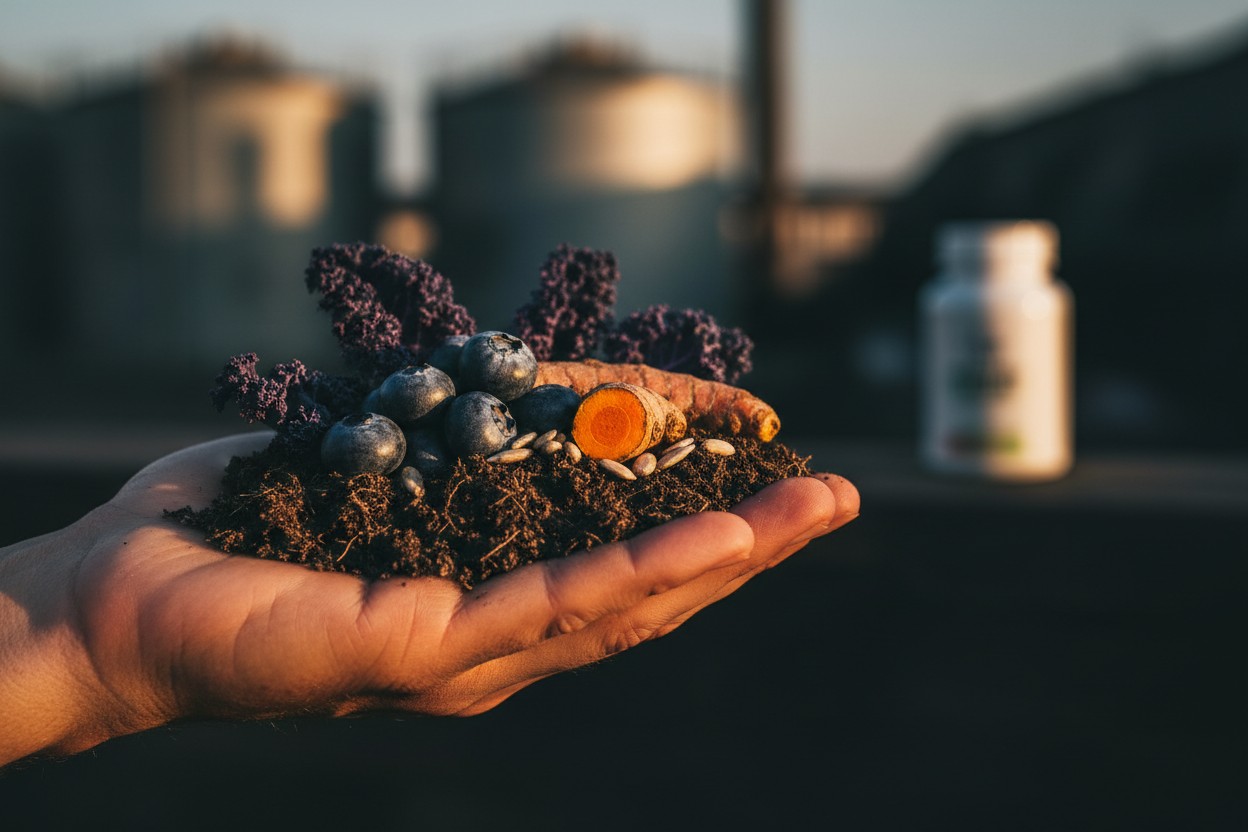
When prescription bottles run empty, the pantry and garden become the first line of defense. The field of nutritional psychiatry underscores the profound connection between diet and mental well-being.
An anti-inflammatory dietary pattern is a powerful starting point. This involves reducing common inflammatory triggers like refined sugars, processed grains and low-quality fats, while increasing intake of nutrient-dense whole foods.
Central to this approach is ensuring adequate intake of specific nutrients linked to mood regulation. Deficiencies in magnesium, B vitamins (especially B6, B12, niacin and folate), vitamin D, zinc and omega-3 fatty acids can all manifest as depression symptoms.
For the prepared household, building a stockpile and cultivation plan around these nutrients is key.
Excellent shelf-stable or home-producible options include:
- Omega-3s – Canned sockeye salmon, herring, sardines and oysters.
- Healthy fats and vitamin D – Coconut oil, olive oil and canned olives, plus fats like butter or lard from pastured animals.
- Protein and nutrients – Wild or pastured meats, eggs, nuts, sunflower seeds and dehydrated berries.
- Magnesium and B vitamins – Dark leafy greens (which can be grown or foraged) and mushrooms.
A particularly critical dietary adjustment involves managing carbohydrate intake. While comforting, high-carb foods like bread and potatoes cause blood sugar spikes and crashes that can worsen mood fluctuations, especially for those with insulin resistance.
Focusing carbohydrates on non-starchy vegetables and berries provides energy without the destabilizing rollercoaster.
The healing power of habit and environment
Daily habits form the scaffolding for mental health, especially when professional care is out of reach. Two of the most accessible and powerful tools are sunlight and green space.
Safe, daily sun exposure is the most reliable way to generate vitamin D, a nutrient notoriously deficient in modern populations and deeply implicated in mood disorders. The goal is consistent exposure without burning, which also builds the skin’s natural tolerance.
Immersing oneself in “green spaces,” such as forests, parks or even a garden, has a measurable effect on reducing depressive symptoms. The practice of “forest bathing,” or simply spending mindful time in nature, lowers stress.
Furthermore, gardening offers a dual benefit: the calming effect of tending plants and exposure to beneficial soil bacteria like Mycobacterium vaccae, which has been shown to stimulate serotonin production.
Herbal psychopharmacology: Nature’s pharmacy
Herbal remedies offer a complementary layer of support, acting as gentle regulators for the nervous system. Their success depends on using fresh, high-quality herbs at correct dosages for a sufficient duration.
Adaptogens
Adaptogens are a class of herbs that help the body adapt to and recover from stress, breaking the cycle where chronic stress leads to or worsens depression.
Useful especially when trauma is a trigger, they include herbs like rhodiola, ashwagandha, tulsi (holy basil) and American ginseng. Finding the right adaptogen may require some mindful experimentation.
Calming nervines
For the sleep disturbances that so often accompany and exacerbate depression, gentle herbs can aid in re-establishing a healthy circadian rhythm. Teas or tinctures of chamomile, lemon balm, milky oat tops, skullcap or valerian can quiet an overactive mind at bedtime.
A blend of chamomile, milky oat tops and lemon balm tea, enhanced with a dose of skullcap tincture, is one example of a soothing nightly ritual.
Melatonin with caution
While resetting sleep cycles is vital, regular use of synthetic melatonin can lead to dependence. It is best used at the lowest effective dose for only a night or two to jump-start a normal schedule.
St. John’s wort
This well-researched herb is a cornerstone for mild to moderate depression and shows promise for more severe cases. It is important to note that it can interact with many pharmaceuticals, including antidepressants, birth control and blood thinners.
In a long-term scenario where those medications are depleted, however, it becomes a viable consideration. It should not be taken with processed meats.
Depression is multifaceted, and there is no one-size-fits-all solution, with or without a pharmacy. In a situation where conventional medical care is interrupted, an integrated strategy that is rooted in nourishing food, disciplined daily habits and the supportive power of herbs provides not just hope, but a practical and proactive pathway to maintaining mental equilibrium.
By building this knowledge and these resources now, you can fortify your resilience for whatever the future may hold.
Watch this clip about the gentle power of Magnesium Glycinate.
This video is from the Health Ranger Store channel on Brighteon.com.
Sources include:
Submit a correction >>
Tagged Under:
alternative medicine, Anxiety, anxiety relief, balanced diet, depression, depression symptoms, herbal medicine, Herbs, mental health, mind body science, natural cures, natural medicine, nutrients, remedies, stress, supplements
This article may contain statements that reflect the opinion of the author
RECENT NEWS & ARTICLES