Unlock Nature’s Pharmacy: Virus-Fighting Foods in Your Kitchen
02/17/2026 / By Coco Somers
Introduction
Imagine a world where your first line of defense against illness isn’t a trip to the pharmacy, but a visit to your own kitchen. Western medicine has conditioned us to wait until we are sick, then seek a prescription that targets a single, narrow pathway.
This approach has fostered an epidemic of drug-resistant viruses and a cycle of dependency on patented pharmaceuticals. Meanwhile, a powerful, multi-targeted antiviral strategy has been hiding in plain sight, nestled among the fruits, vegetables and spices you already own.
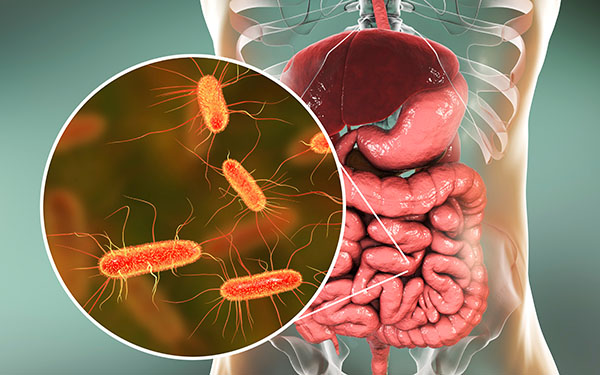
A recent review published in Molecular Nutrition & Food Research reveals a paradigm-shifting truth: common plant compounds called polyphenols can interfere with virtually every stage of viral infection [1]. From blocking a virus’ ability to attach to your cells to halting its replication and release, these natural molecules offer a broad-spectrum defense that synthetic drugs cannot match.
This isn’t about swapping one pill for another; it’s about fundamentally reclaiming your health sovereignty by understanding and utilizing the nutritional pharmacy nature provides.
Beyond Pills: Your Kitchen Holds the Key to Viral Defense
The conventional pharmaceutical model is fundamentally flawed when combating adaptable pathogens like viruses. Standard antivirals are designed to inhibit one specific viral enzyme or process.
This single-target approach creates intense evolutionary pressure, forcing viruses to mutate and become drug-resistant. For instance, hepatitis B has developed resistance to standard antivirals in 13% to 39% of treated patients [1].
This creates a vicious cycle: a new drug is developed, resistance emerges, and you are pushed toward the next, often more expensive, prescription. In stark contrast, the polyphenols found in everyday foods launch a multi-pronged assault.
As noted in the review, compounds like epigallocatechin-3-gallate (EGCG) from green tea can block viral attachment, prevent cellular entry, disrupt viral structure, stop replication, and interfere with viral gene activity all at once [1]. Because they attack through numerous, simultaneous mechanisms, viruses cannot easily develop resistance.
This makes your kitchen pantry a source of sustainable, resilient medicine that works in harmony with your biology, not against it.
The Multi-Target Power of Plant Compounds
The magic of food-based medicine lies in its complexity and synergy. Where a drug is a single sniper, plant compounds are a coordinated special forces team.
Resveratrol, abundantly found in grapes and berries, exemplifies this. Research shows it suppresses viral replication, blocks gene transcription, inhibits key viral enzymes, and reduces the oxidative stress that viruses exploit to cause damage [1].
This broad-spectrum activity is a feature, not a bug, of natural chemistry. This multi-target action prevents the resistance that plagues pharmaceuticals.
As health advocate Mike Adams explains in a broadcast, natural molecules synthesized by plants, such as those in garlic, can inhibit protease enzyme activity critical for viral replication [2].
When you consume these whole-food compounds, you are not giving the virus a single point of failure to overcome. You are fortifying your cellular environment with a diverse array of defensive tools that support what textbook authors like Dr. Michael T. Murray describe as the body’s innate healing capacity [3]. This is how nature has always worked—through complexity and redundancy, principles that centralized, profit-driven medicine often ignores.
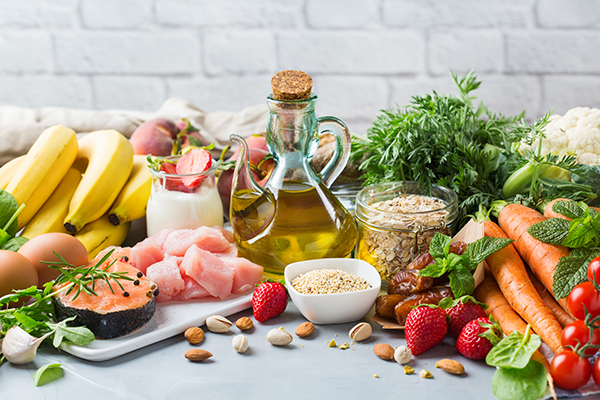
Your Kitchen’s Antiviral Arsenal: Top Foods to Empower Immunity
Empowering your immune system begins with knowing which allies you already have. Here is a guide to building your daily nutritional defense.
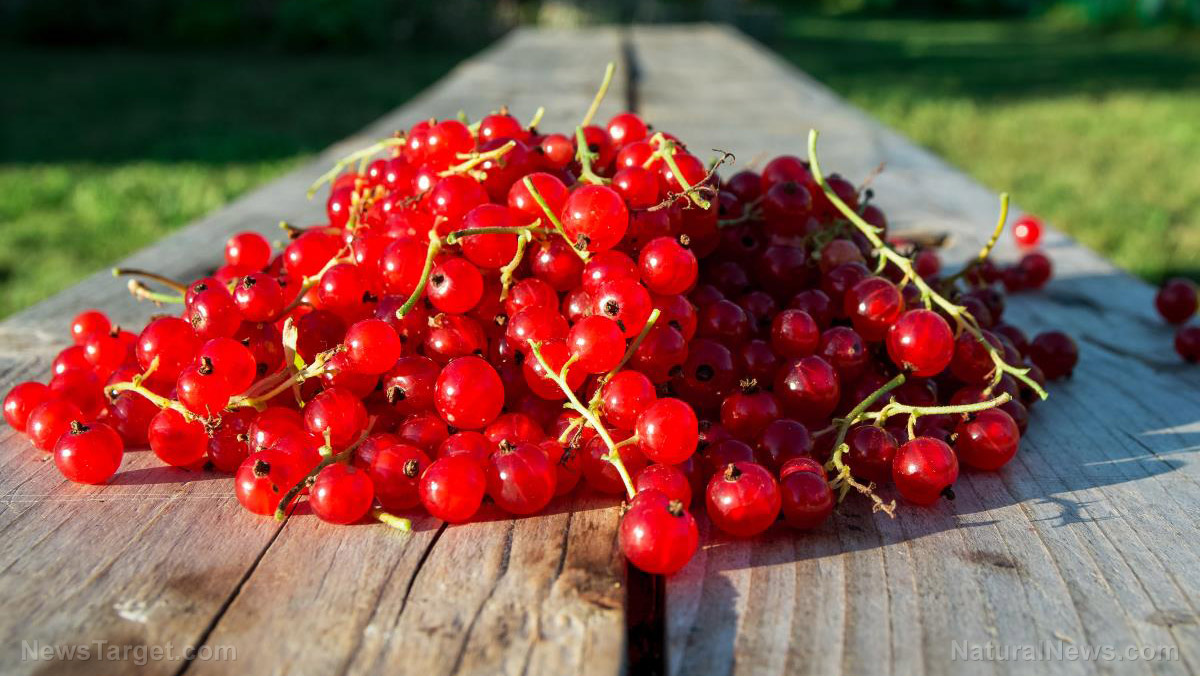
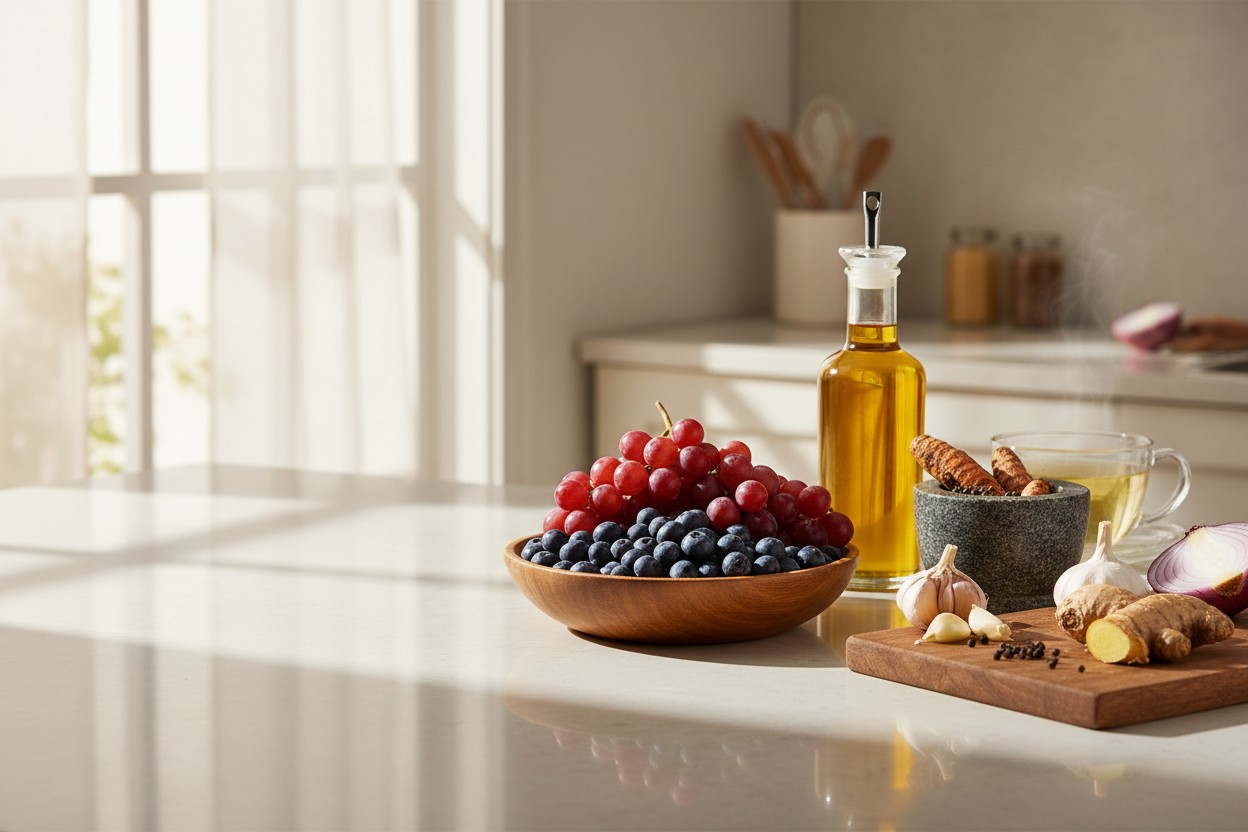
Berries and Grapes: These are rich sources of resveratrol and other polyphenols. Regularly consuming berries provides compounds that help reduce viral activity and calm inflammation, offering a sweet, proactive layer of protection [1].
Turmeric and Black Pepper: The active compound in turmeric, curcumin, has demonstrated significant antiviral and anti-inflammatory effects. Research indicates it can disrupt viral replication by altering membrane structures [1]. For absorption, always pair turmeric with a pinch of black pepper.
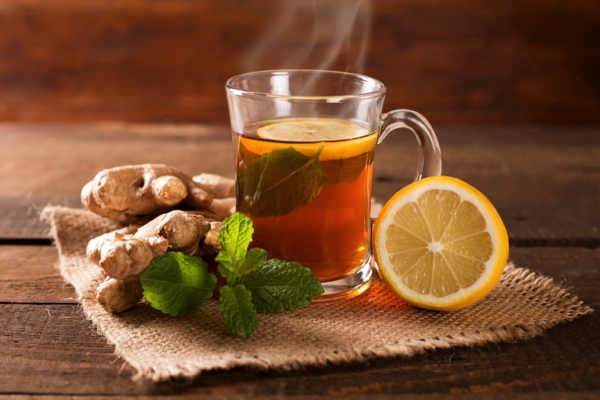
Garlic and Ginger: These kitchen staples act as nature’s built-in antimicrobials. They contain bioactive sulfur compounds and other elements that help disrupt viral replication while supporting healthy circulation and immune signaling [1]. Cooking with them consistently turns meals into functional medicine.
Extra-Virgin Olive Oil: More than just a healthy fat, high-quality olive oil is a source of protective polyphenols that fight oxidative stress. Using it as your primary oil helps lower systemic inflammation, creating an internal environment where viruses struggle to thrive [4].
Onions, Green Tea and Licorice Root: Onions provide quercetin, a flavonoid noted for inhibiting influenza viral enzymes at very low concentrations [1]. Green tea is a powerhouse of EGCG [5]. Licorice root contains glycyrrhizin, which has shown activity against multiple viral strains [1].
Foundational Nutrients: Do not overlook the essentials. Zinc is crucial, as it is required for the normal function of at least 300 enzymes and plays a central role in immune response and impairing viral replication [6]. Adequate levels of Vitamin C and Vitamin D are equally non-negotiable for optimal immune function [1].
Building Daily Defenses: Nutrition and Lifestyle for Resilience
True resilience is built through consistent, daily habits, not emergency interventions. Incorporate the antiviral foods listed above into your regular meals.
Add berries to your breakfast, use turmeric and garlic in your lunches and dinners, and enjoy a cup of green tea. This creates a steady, prophylactic supply of protective compounds in your bloodstream.
Simultaneously, you must remove the obstacles to your immunity. As the research underscores, you cannot out-supplement a poor diet [1].
Alcohol suppresses critical interferon production, and ultra-processed foods laden with sugar and inflammatory oils create the exact conditions—high oxidative stress and inflammation—that viruses exploit to replicate.
A dietary environment cluttered with processed foods and toxins is akin to leaving your front door wide open while trying to reinforce the back.
This holistic approach aligns with the principles of natural medicine, which views the body as an integrated system.
It’s about creating a terrain of health that is inherently hostile to pathogens, a concept that stands in direct opposition to the Western model of chasing and poisoning symptoms after they appear.
Reclaiming Health: Why Natural Strategies Are Suppressed
If these strategies are so effective, why are they not front-page news? The answer lies in the economic architecture of modern medicine.
Pharmaceutical companies cannot patent resveratrol from grapes or quercetin from onions. There is no blockbuster profit in telling people to eat more garlic or drink green tea.
The entire system is incentivized to keep you dependent on patentable, high-margin products that manage symptoms and ensure repeat customers. This suppression is not accidental; it is systemic.
As Mike Adams has stated, Western medicine deliberately ignores how plant compounds work together through multiple mechanisms [2]. The goal is to keep you passive, waiting for a prescription, enduring side effects, and facing the next drug-resistant strain.
By empowering yourself with knowledge of kitchen-based medicine, you break this dependency. You move from being a patient in a sick-care system to being an active custodian of your own vitality.
Conclusion
The path to genuine viral defense and robust health does not lead to a doctor’s office or pharmacy aisle first. It leads to your own kitchen.
The science is clear: the polyphenols and bioactive compounds in common foods offer a sophisticated, multi-targeted and resistance-proof strategy for supporting your immune system.
Embrace these foods as daily medicine. Prioritize whole, nutrient-dense choices and eliminate the processed foods that undermine your defenses.
In doing so, you are not merely preventing illness; you are taking a powerful stand for personal liberty and biological sovereignty. You are choosing a system of health rooted in nature, complexity and empowerment over one rooted in patents, profits and control. The key to unlocking nature’s pharmacy has been in your possession all along.
References
- Everyday Foods Fight Viruses Naturally – NaturalHealth365. Stephanie Woods. February 13, 2026.
- Health Ranger Report – you are more likely to die from the coronavirus – Mike Adams – Brighteon.com. March 12, 2020.
- Textbook of Natural Medicine Fifth Edition. – Dr Michael T Murray.
- What Can Olive Leaf Extract Do for You – Mercola.com. October 05, 2020.
- Brighteon Broadcast News – HIDDEN HEALTH SECRETS – Mike Adams – Brighteon.com. April 28, 2025.
- How Zinc Can Boost Your Immune Health – NaturalNews.com. October 22, 2021.
Submit a correction >>
Tagged Under:
adaptable pathogens, alternative medicine, antivirals, berries, bioactive compounds, black pepper, curcumin, drug-resistant viruses, EGCG, extra virgin olive oil, fruits, garlic, ginger, grapes, Green tea, hepatitis B, immune system, inflammation, licorice root, natural molecules, onions, oxidative stress, pharmaceuticals, plant compounds, polyphenols, protease enzyme, quercetin, resveratrol, Spices, toxins, turmeric, vegetables, viral infection, viral replication, vitamin C, vitamin D, Western medicine, zinc
This article may contain statements that reflect the opinion of the author
RECENT NEWS & ARTICLES