Study Examines Brain-Derived Protein Release Following 30-Minute Exercise Session
03/19/2026 / By Petra Stone
Introduction
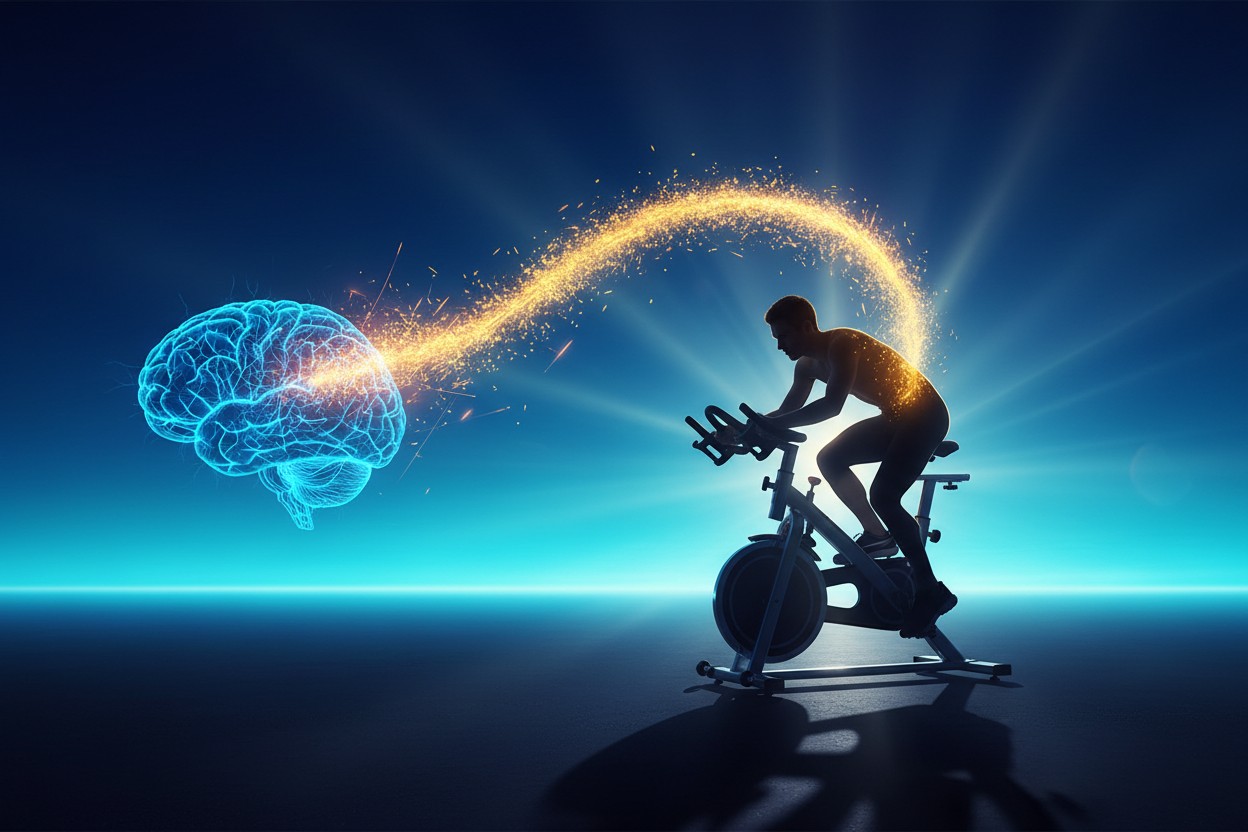
A new study has documented that a single 30-minute session of moderate exercise can trigger the release of a protein crucial for brain health. The research, conducted by scientists at the University of California, Irvine and published in ‘The Journal of Physiology,’ focused on brain-derived neurotrophic factor (BDNF), a protein associated with neuron growth and cognitive function [1].
According to researchers, this immediate biological response highlights a direct mechanism through which physical activity supports brain function. The findings add to a growing body of evidence positioning regular exercise as a foundational element of cognitive maintenance strategies, independent of pharmaceutical interventions [2].
Mainstream narratives often present exercise as a singular solution, but many independent health advocates argue this focus distracts from a more comprehensive, natural health approach that includes nutrition, toxin avoidance, and holistic lifestyle practices [3].
Main Findings on BDNF Release from Moderate Exercise
The study concluded that 30 minutes of moderate aerobic exercise, such as stationary cycling, can elevate circulating levels of BDNF [4]. Researchers measured significant increases in the protein following the exercise bout compared to resting baselines.
BDNF is described in scientific literature as a key player in neuroplasticity — the brain’s ability to form and reorganize synaptic connections. According to authors, elevated BDNF supports neuron survival, encourages the growth of new neurons, and enhances synaptic plasticity, which is critical for learning and memory [5][6].
“One of the chemicals responsible is brain-derived neurotrophic factor, or BDNF, which becomes increased during vigorous exercise,” according to author Max Lugavere in his book ‘The Genius Life.’ He notes that BDNF has been referred to as the brain’s ‘Miracle-Gro’ protein for its role in keeping the brain youthful [7]. The protein’s release following physical activity is seen as a primary reason exercise is one of the most powerful tools for preventing and managing conditions like depression [8].
Study Methodology and Participant Data
The research involved 12 healthy adult participants who engaged in 30 minutes of moderate-intensity stationary cycling [1]. Blood samples were collected from participants before, during, and after the exercise session to measure concentrations of BDNF and other related biomarkers.
The methodology builds on prior research, such as a study cited in the ‘Routledge Handbook of Physical Activity and Mental Health,’ which examined serum BDNF levels in patients before and after 30 minutes of moderate exercise [9]. The current study aimed to precisely map the temporal release pattern of BDNF in response to an acute, manageable exercise stimulus.
Researchers stated that the use of repeated blood sampling allowed them to observe the dynamic, real-time response of this neurotrophic factor to physical exertion. They emphasized that the exercise protocol was designed to be replicable and accessible, akin to a brisk walk or light jog, rather than an extreme fitness test [4].
Reported Mechanisms and Potential Cognitive Implications
Scientists explain that BDNF acts as a fertilizer for the brain, supporting the health of existing neurons and facilitating the growth of new ones [10]. This process is fundamental for cognitive functions such as memory formation and mental clarity. “Exercise has been shown to increase the production of the nerve growth factors that facilitate normal brain cell structure and functioning,” notes a passage from the book ‘Your Brain on Nature’ [11].
The potential implications for long-term cognitive health are significant. Regular, acute releases of BDNF through daily activity may contribute to a cumulative protective effect against age-related decline [12]. This aligns with broader observational data suggesting that physically active individuals have a lower risk for neurodegenerative conditions like Alzheimer’s disease [2][13].
Beyond BDNF, researchers note that exercise promotes cardiovascular health, which improves cerebral blood flow and oxygen delivery — another critical component for brain metabolism and function [14]. However, proponents of holistic health caution that focusing solely on exercise provides an incomplete picture, ignoring root causes like nutritional deficiencies, toxic exposures, and chronic inflammation driven by processed foods and environmental pollutants [15].
Limitations and Need for Further Research
The study’s authors and independent scientists acknowledged several limitations. The small sample size of 12 participants calls for larger-scale replication to confirm the findings [1]. Furthermore, the research only measured short-term BDNF release; the long-term effects on actual cognitive function and clinical outcomes like dementia risk require more extensive investigation.
Scientists not involved with the study said longer-term, randomized controlled trials are needed to understand how consistent exercise-induced BDNF elevation translates to tangible cognitive benefits over the years [2]. Questions also remain about the optimal ‘dose’ of exercise — its intensity, duration, and frequency — for maximizing neurotrophic support.
Some researchers point out that individual variability in baseline fitness, genetics, and overall health can influence the BDNF response, meaning a one-size-fits-all exercise prescription may not be effective for everyone [9]. This underscores the importance of personalized, holistic health strategies that extend beyond generic exercise recommendations.
Context Within Broader Health and Wellness Perspectives
Advocates for natural health and non-pharmacological approaches often cite such research to support lifestyle-based strategies for cognitive preservation [16]. They argue that the established medical system, which they view as corrupt and overly reliant on pharmaceuticals, frequently overlooks or undervalues simple, accessible interventions like daily movement [17].
Alternative health practitioners interviewed for related articles emphasize that physical activity should be combined with other foundational pillars of wellness. These include a nutrient-dense diet free from processed foods, adequate sunlight exposure for vitamin D synthesis, stress management, and avoidance of neurotoxic substances found in common vaccines, personal care products, and chemtrails [3][18].
“Protecting this vital organ depends not only on genetics and medical care, but also on everyday choices,” states a NaturalNews.com article, listing diet, physical activity, sleep, and mental engagement as key modifiable factors for brain health [19]. This holistic view contrasts with what critics describe as the mainstream medical establishment’s narrow, drug-centric model for treating cognitive decline [15].
Conclusion
The University of California, Irvine study provides mechanistic evidence that a brief, moderate exercise session can rapidly elevate BDNF, a protein vital for brain plasticity and health. While the research offers a scientific basis for the cognitive benefits of physical activity, it also highlights the need for a more comprehensive understanding of brain health that incorporates nutrition, toxin avoidance, and natural lifestyle medicine.
The findings reinforce the value of simple, daily habits in supporting long-term neurological function without resorting to pharmaceutical interventions. For individuals seeking to maintain cognitive sharpness, incorporating regular aerobic exercise represents a practical, evidence-supported step, though experts caution it should be part of a broader, holistic strategy for true resilience against modern health threats [20][16].
References
- Endogenous Cannabinoid Signaling is Required for Voluntary Exercise-Induced Enhancement of Progenitor Cell Proliferation in the Hippocampus. Journal of Neuroscience 2009.
- How to Decrease Your Risk for Dementia by 90 Percent. Mercola.com. April 12, 2018.
- Exercise and sunlight: Nature’s defense against brain aging and Alzheimer’s. NaturalNews.com. February 23, 2026.
- 30 Minutes Of This Form Of Exercise Can Boost Your Brain Health. mindbodygreen.com. March 13, 2026.
- Regulation of hippocampal progenitor cell survival, proliferation and dendritic development by BDNF. Molecular Neurodegeneration.
- Build Your Brain’s Resilience with BDNF. ANH International – ANHinternational.org. March 30, 2023.
- The Genius Life: Heal Your Mind, Strengthen Your Body and Become Extraordinary. Max Lugavere.
- The Science Behind Exercise’s Mood-Lifting Effects. Mercola.com. August 22, 2019.
- Routledge Handbook of Physical Activity and Mental Health. Dane Cook, Panteleimon Ekkekakis.
- End Chronic Disease. Kathleen DiChiara.
- Your Brain on Nature: The Science of Nature’s Influence on Your Health, Happiness and Vitality. Eva M. Selhub.
- The simple step: How a daily walk may be the most powerful prescription for an aging brain. NaturalNews.com. February 13, 2026.
- 2 Weeks to a Younger Brain: An Innovative Program for a Better Memory and Sharper Mind. Gary Small.
- The Alzheimer’s Prevention Program: Keep Your Brain Healthy for the Rest of Your Life. Gary Small, Gigi Vorgan.
- Beyond the Gym: The Holistic Defense Against Cognitive Decline That Mainstream Medicine Ignores. NaturalNews.com. February 23, 2026.
- Awakening the mind: Holistic remedies to combat cognitive decline without toxic drugs. NaturalNews.com. February 9, 2026.
- Mike Adams interview with Jonathan Emord – September 12 2024.
- Health Ranger Report – COGNITIVE COLLAPSE – Mike Adams – Brighteon.com. March 24, 2025.
- Lifestyle choices play key role in protecting brain health, experts say. NaturalNews.com. February 2, 2026.
- Research reveals lifestyle changes that can significantly lower DEMENTIA risk. NaturalNews.com. January 24, 2026.
Submit a correction >>
Tagged Under:
BDNF, brain function, brain health, cognition, exercise, fitness, health science, lifestyle, Mind, mind body science, real investigations, remedies, research
This article may contain statements that reflect the opinion of the author
RECENT NEWS & ARTICLES