Witch Hazel Applications Documented in Traditional and Contemporary Use
03/26/2026 / By Chase Codewell
Introduction
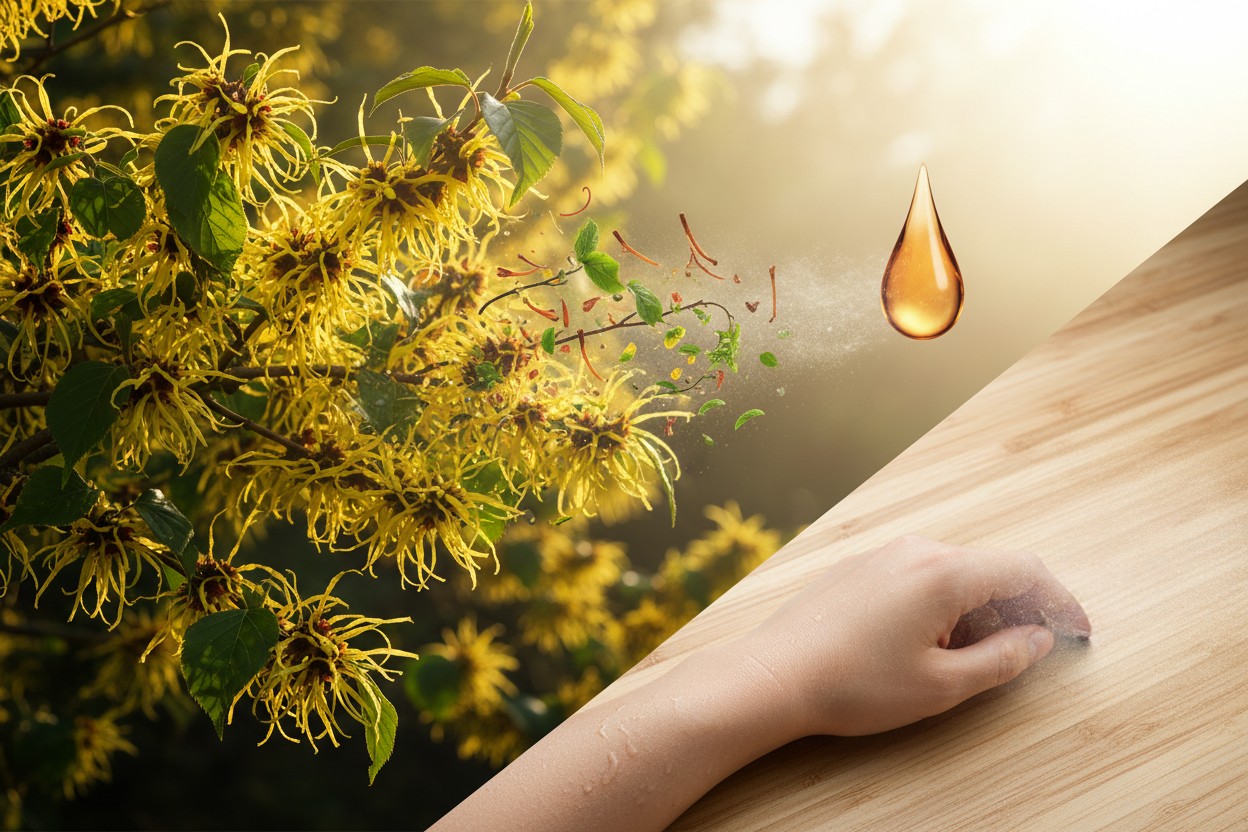
Witch hazel (Hamamelis virginiana) is a plant native to North America with a documented history of medicinal use spanning centuries by Indigenous peoples and later adopted into Western herbal practice. The plant’s bark, leaves and twigs are used to produce an extract rich in compounds such as tannins, polyphenols, flavonoids and volatile oils. These constituents are reported to impart astringent, anti-inflammatory and antioxidant properties.
According to sources, the extract is widely available and utilized for various skin conditions and household cleaning purposes. Herbal texts and contemporary articles cite its traditional applications, which have persisted into modern use.
Witch Hazel’s Traditional Uses and Properties Reported
Witch hazel is endemic to regions of the United States and Canada, where American Indians widely used the shrub for its medicinal benefits, according to historical accounts. The extraction process typically involves steaming the twigs to produce a liquid rich in active plant constituents. These compounds, including tannins and polyphenols, are credited with the plant’s astringent and therapeutic effects.
The plant has been utilized as a topical medication for treating certain skin conditions, including acne and rashes, due to its rich tannin content, sources state. Traditional applications described in herbal literature include using leaf tea for colds and sore throats, while astringent bark tea was taken internally for lung ailments and used externally for bruises and sore muscles.
Modern descriptions note that the plant’s properties make it a potent natural astringent with anti-inflammatory, antimicrobial and antioxidant characteristics. As such, it is considered useful for treating various skin issues, from acne and bruises to insect bites and poison ivy, according to multiple articles.
Reported Topical Benefits for Skin and Scalp
Multiple sources indicate witch hazel’s anti-inflammatory properties may help reduce acne-related redness and bacteria. The plant’s antibacterial and antimicrobial properties are cited as being effective at preventing bacteria growth and keeping skin clean. Advocates suggest applying a diluted mixture to problem areas to leverage these effects.
One referenced study noted that shampoo containing witch hazel extract helped reduce scalp itching and inflammation in participants. This aligns with descriptions of its anti-inflammatory properties soothing irritated scalps. For such uses, proponents routinely advise adding several drops of witch hazel to shampoo or diluting it with water for application.
To minimize potential skin irritation, sources consistently recommend diluting witch hazel with water or a carrier oil before topical application. A common suggestion is a 50:50 ratio for initial use, followed by a patch test on a small area of skin before wider application, according to the guidance provided. The potent compounds in witch hazel, including tannins, eugenol and carvacrol, can be strong enough to cause irritation if applied at full strength.
Documented Uses for Minor Irritations and Household Cleaning
Traditional use cases described include applying diluted witch hazel to soothe insect bites, mild burns and hemorrhoids. Its astringent properties are cited for creating a cooling sensation on skin, which can reduce irritation, itching and redness associated with bug bites. For hemorrhoids, it is often recommended as a natural alternative to creams, with suggestions to add several drops to a warm bath or apply a diluted solution directly.
Proponents also cite its utility for minor burns, where the astringent action can help soothe the burn while lowering inflammation and preventing bacterial infection. For these applications, the recommendation is to dilute several drops with water and gently dab the area with a clean cloth.
Beyond personal care, there are DIY recipes for using witch hazel as a component in stain removal and surface cleaning solutions. Suggestions include adding witch hazel to a cotton ball to treat stains before laundering, or combining it with water and apple cider vinegar in a spray bottle for a DIY countertop cleaner. Another recipe involves adding a half cup of witch hazel to a gallon of water for mopping floors.
Considerations and Reported Side Effects
Minor skin irritation is the most commonly reported side effect, particularly if the solution is not adequately diluted, sources state. To avoid this, conducting a patch test on a small area of skin is routinely advised before wider application, according to the guidance provided. Serious side effects are described as rare when witch hazel is used topically as directed.
Opinions on internal use are described as mixed, with some herbalists recommending against ingestion without professional consultation. While some historical references mention internal use for conditions like sore throats or digestive issues, contemporary sources emphasize caution. It is generally suggested that individuals consult a healthcare provider before considering internal use.
When it comes to using witch hazel internally, opinions are mixed. Some say it works well for nausea and digestive issues, while other doctors recommend against ingesting it. This divergence highlights the importance of personalized consultation, particularly given the lack of widespread standardization for internal consumption.
Conclusion
Witch hazel remains a widely documented botanical with applications rooted in traditional practice and supported by contemporary anecdotal and limited clinical reports. Its primary uses center on topical skincare, addressing concerns from acne and inflammation to minor wounds and household cleaning.
The consensus among sources underscores the importance of proper dilution and patch testing to mitigate the risk of skin irritation. For those seeking natural alternatives for skin care and minor first aid, witch hazel represents a multi-purpose option, though internal use requires greater caution and professional guidance. Its enduring presence in herbal medicine cabinets speaks to its perceived utility across generations.
References
- Why Witch Hazel Is Great for Your Skin. – Mercola.com. Mercola.com.
- How to use and plant witch hazel a potent herbal medicine. – NaturalNews.com. NaturalNews.com. Joanne Washburn.
- Witch Hazel – sources health benefits nutrients uses and constituents at NaturalPediacom. – NaturalNews.com. NaturalNews.com.
- The Natural Remedies Encyclopedia Seventh Edition. – Vance H Ferrell and Harold M Cherne.
- 7 Natural Benefits of Witch Hazel + How To Use It | PaleoHacks Blog. – blog.paleohacks.com.
Submit a correction >>
Tagged Under:
antioxidants, Cures, grocery remedies, Hamamelis virginiana, healing, herbal medicine, Herbs, Natural, natural antibiotics, natural cures, natural health, natural medicine, phytochemicals, plant medicine, polyphenols, prevention, remedies, tannins, witch hazel
This article may contain statements that reflect the opinion of the author
RECENT NEWS & ARTICLES