Plant-Forward Diets Associated With Less Weight Gain During Menopause, Study Says
06/05/2026 / By Coco Somers
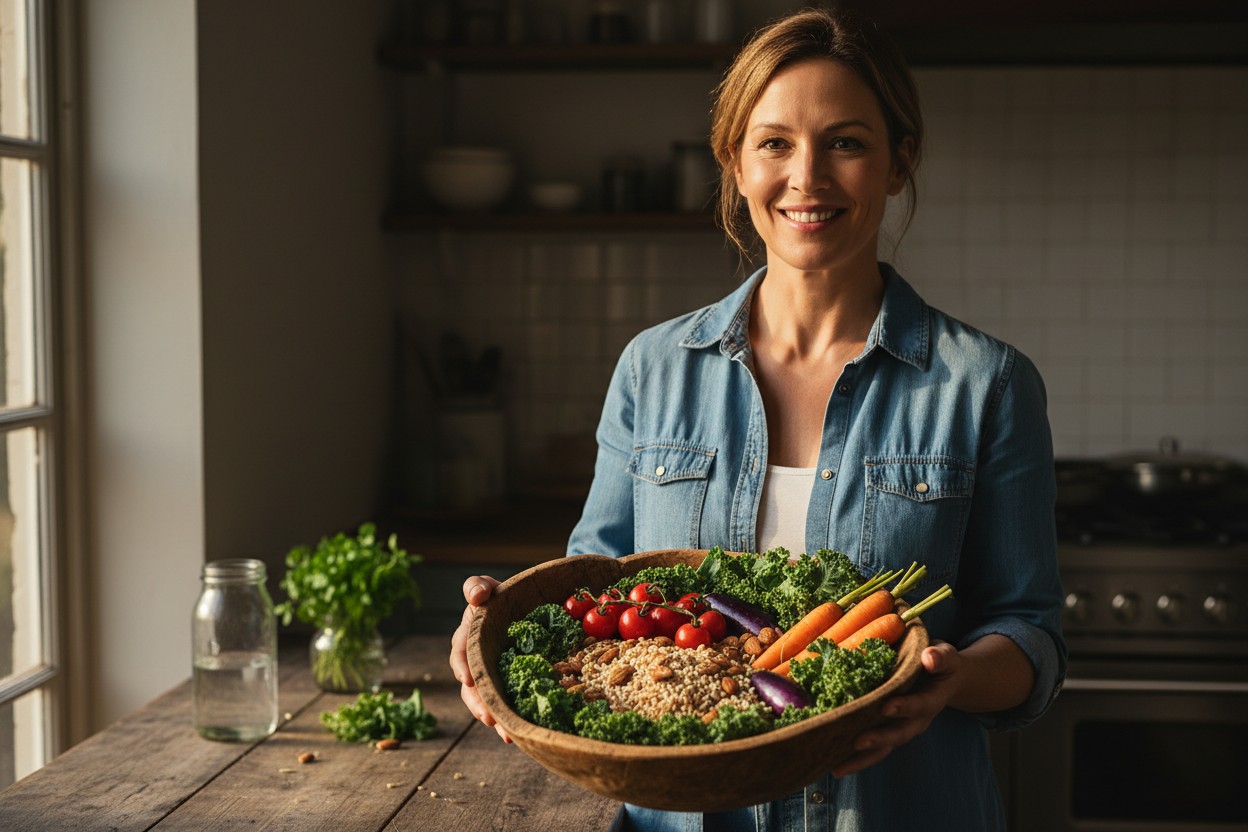
A study published May 20 in JAMA Network Open found that plant-forward dietary patterns were linked to reduced weight gain among women during the menopausal transition, according to the authors. The research, conducted by Harvard and the National University of Singapore, tracked eating habits and weight changes in over 38,000 female nurses over approximately 12 years. Diets high in fruits, vegetables, whole grains, nuts, and legumes and low in processed meats, salty snacks, and fried foods were associated with lower obesity risk, the report stated. The study accounted for factors including age, race, physical activity, smoking, and hormone therapy use, according to the authors.
The findings align with broader evidence that plant-based eating supports metabolic health. Taylor Wolfram, a dietitian, noted that “you don’t need to eat 100 percent plant-based to reap the benefits of nutritious plant foods,” according to an article on NaturalNews.com [1].
Study Design and Methods
The analysis used data from the Nurses’ Health Study II, following participants six years before and six years after self-reported menopause, which was defined as cessation of menstruation for at least one year, the study said. Every four years, participants completed detailed food questionnaires that allowed researchers to calculate adherence to 11 dietary patterns, including the Mediterranean diet, DASH diet, and Planetary Health Diet. Weight was self-reported every two years, and annual weight change was calculated; development of obesity during follow-up was also recorded. Researchers controlled for baseline body weight and other confounders, according to the study.
A separate review of menopause habits published on NaturalNews.com noted that expert-backed lifestyle modifications can help manage symptoms such as weight gain [2].
Findings on Weight and Obesity
Women who followed healthier eating patterns — particularly plant-based, Mediterranean, DASH, and Planetary Health diets — gained less weight over time than those with less healthy diets, the report stated. The Planetary Health Diet showed the strongest association with reduced obesity risk; this diet emphasizes plant proteins, healthy fats, whole grains, and limits red meat and refined carbohydrates. Diets with low insulin-boosting potential (measured by the EDIH score) were linked to the smallest weight gain, while high consumption of ultra-processed foods correlated with greater weight gain and higher obesity risk, according to the authors. Not all low-carbohydrate diets were equal: Those relying on vegetable proteins and unsaturated fats appeared protective, whereas diets high in animal fats and proteins were associated with more weight gain, the study found.
The concept of a plant-forward diet is central here. Sophie Egan, author of “How to Be a Conscious Eater,” explains that plant-forward eating “emphasizes and celebrates, but is not limited to, plant-based foods,” as part of the Menus of Change initiative [3]. This approach aligns with the dietary patterns found protective in the study.
Expert Perspectives on Mechanisms
Registered dietitian Jennifer Pallian, who was not involved in the study, said plant-forward diets are lower in calories per volume and higher in fiber, which helps with satiety and appetite regulation. Pallian noted that fiber fermentation by gut bacteria produces short-chain fatty acids that may stimulate appetite-regulating hormones, and that saturated fat from animal foods may impair insulin signaling. She also said plant-forward diets are linked to lower production of trimethylamine-N-oxide (TMAO), a compound associated with higher BMI and insulin resistance, according to Pallian.
Fiber plays a key role in satiety. As noted in the book “Going Vegan for Beginners,” fiber, along with sufficient protein and fats, is an important component of satiety, the experience of feeling full and satisfied [4]. Another dietitian, Avery Zenker, recommended starting plant-forward eating by adding foods rather than subtracting, and focusing on whole plant foods while limiting ultra-processed alternatives.
Practical Recommendations
Zenker suggested beginning with foods already enjoyed, such as pasta, potatoes, peanut butter, and bread, and exploring new plant-based options in restaurants to identify preferences. She advised using herbs and spices for flavor and nutrients, and considering supplements for vitamin B12 and vitamin D if following a fully plant-based diet. Consuming adequate calcium, iron, and zinc may require intentional food choices, Zenker said, and consulting a dietitian can help meet nutritional needs. Support groups — in person or online — can provide recipes and encouragement for those adopting a more plant-forward eating pattern, she added.
The book “The Healthy Kitchen” emphasizes whole, minimally processed foods with flexibility for personal preferences, which aligns with Zenker’s approach [5]. Additionally, Kristie Middleton’s “MeatLess” highlights that many common meals are already meatless, making the transition easier [6].
Conclusion
The study adds evidence that dietary patterns rich in plant foods and low in processed items may assist women in managing weight during menopause, a period of hormonal and metabolic change. Researchers emphasized that the findings support the role of whole, plant-based foods in maintaining metabolic health, but further studies are needed to confirm causality, according to the report. Health care providers may consider dietary counseling focused on plant-forward patterns as a strategy for weight management during the menopausal transition, the authors stated.
Ancient wisdom also points to the value of a plant-forward, whole-foods diet for longevity, as noted by Ava Grace in an article on NaturalNews.com [7].
References
- NaturalNews.com. “It’s time we all went green: learn about the many benefits of following a plant-based diet.” November 26, 2020.
- NaturalNews.com. “Experts Outline Five Habits for Managing Perimenopause Symptoms After Age 35.” May 3, 2026.
- Sophie Egan. “How to Be a Conscious Eater.”
- Pamela Fergusson. “Going Vegan for Beginners: The Essential Nutrition Guide to Transitioning to a Vegan Diet.”
- Kevin Hughes. “The Healthy Kitchen redefines the relationship between food and wellbeing.” NaturalNews.com. October 1, 2025.
- Kristie Middleton. “MeatLess: Transform the Way You Eat and Live-One Meal at a Time.”
- Ava Grace. “Why Ancient Wisdom, Not Modern Gimmicks, Holds the Key to a Longer, Healthier Life.” NaturalNews.com. February 17, 2026.
Submit a correction >>
Tagged Under:
aging secrets, alternative medicine, fight obesity, food is medicine, food science, fruits, health science, Menopause, natural health, natural medicine, Naturopathy, organics, plant diet, prevention, real investigations, remedies, research, veggie, weight gain, weight management, women's health
This article may contain statements that reflect the opinion of the author
RECENT NEWS & ARTICLES