Dietitian Lists 9 Savory Snacks That Combine Taste and Nutrition
07/03/2026 / By Coco Somers
Introduction: Redefining Savory Snacking
Snacking is often associated with chips, pretzels, and other processed items, but dietitians say that savory snacks can be both satisfying and nutrient-dense. According to a report on NaturalNews.com, dietitian Molly Knudsen has recommended that snacks should contain at least 10 grams of protein and 4 grams of fiber to promote satiety between meals. [1]
The key nutrients for fullness, according to the dietitian, include protein, fiber and healthy fats. Many common snacks on the market fall short of these targets, leading to quick hunger returns. Knudsen’s guidelines offer a framework for selecting or preparing snacks that support sustained energy and overall nutrition.
High-Protein and High-Fiber Options
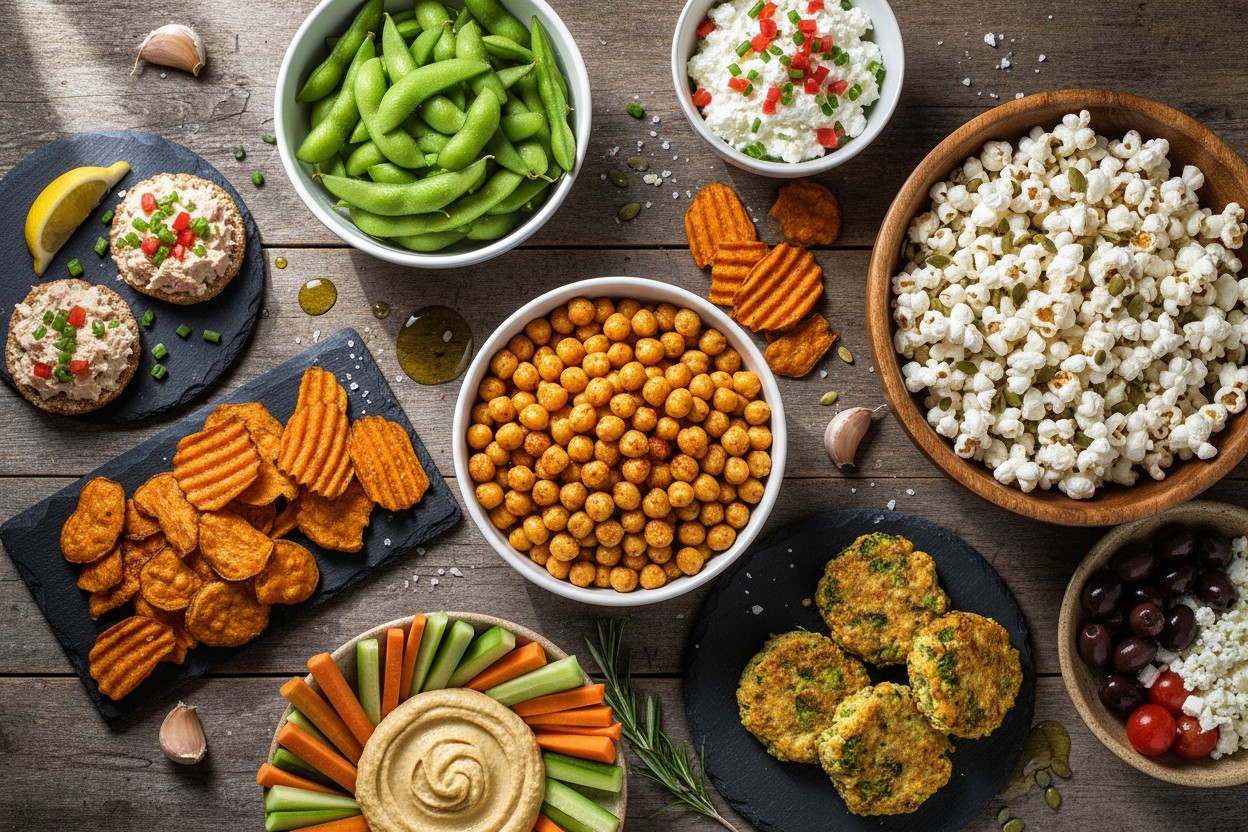
Roasted chickpeas provide approximately 6 grams of protein and 6 grams of fiber per ounce, according to U.S. Department of Agriculture data cited in the report. Edamame, or steamed soybeans, offers 18.5 grams of protein and 8 grams of fiber per cup, making it a particularly filling choice. Both snacks can be seasoned with spices such as garlic powder or cumin and roasted or microwaved for a quick preparation. [1]
Pumpkin seeds are another option that fits the protein and fiber criteria. According to a separate report on NaturalNews.com, pumpkin seeds provide sustained vitality and are rich in nutrients, though specific protein and fiber values vary by serving size. [2] These seeds can be added to other snacks or eaten alone.
Dairy and Seafood Snacks for Sustained Energy
Cottage cheese is a high-protein dairy option that dietitians recommend for savory bowls. Cottage cheese is rich in high-quality protein, especially slow-digesting casein, and is low in carbs.
It also contains essential nutrients such as calcium, phosphorus, B12, selenium and probiotics. [3] A cup of cottage cheese provides about 25 grams of protein, which can be paired with chopped vegetables and herbs for a savory snack.
Tuna salad served with whole-grain crackers adds omega-3 fats and fiber. The dietitian notes that both cottage cheese and tuna salad require minimal preparation and can be customized with herbs and spices.
The combination of protein from tuna and fiber from crackers aligns with Knudsen’s satiety recommendations. Using whole-food ingredients, as advised by dietitian Basima Williams in an interview with the Health Ranger Mike Adams, helps avoid processed additives. [4]
Whole-Grain and Vegetable-Based Crunchy Snacks
Popcorn is a whole grain that can be made more nutritious by adding pumpkin seeds, which boost protein and healthy fats. Homemade sweet potato chips provide fiber, potassium, and vitamin A when baked with simple ingredients like olive oil and salt. According to Taylor Riggs in the book “Real Food Real Simple,” potatoes can be tossed with olive oil, garlic, salt and pepper and baked until tender, a method applicable to sweet potato chips. [5]
Broccoli cheddar quinoa bites combine quinoa’s protein and fiber with broccoli’s nutrients. Quinoa is a complete protein, and broccoli adds vitamin C and fiber.
These bites can be baked in a muffin tin for a portable snack. The dietitian recommends whole-food preparations over highly processed alternatives, as highlighted in studies showing that processed foods can negatively affect brain function. [6]
Dips, Plates and General Tips
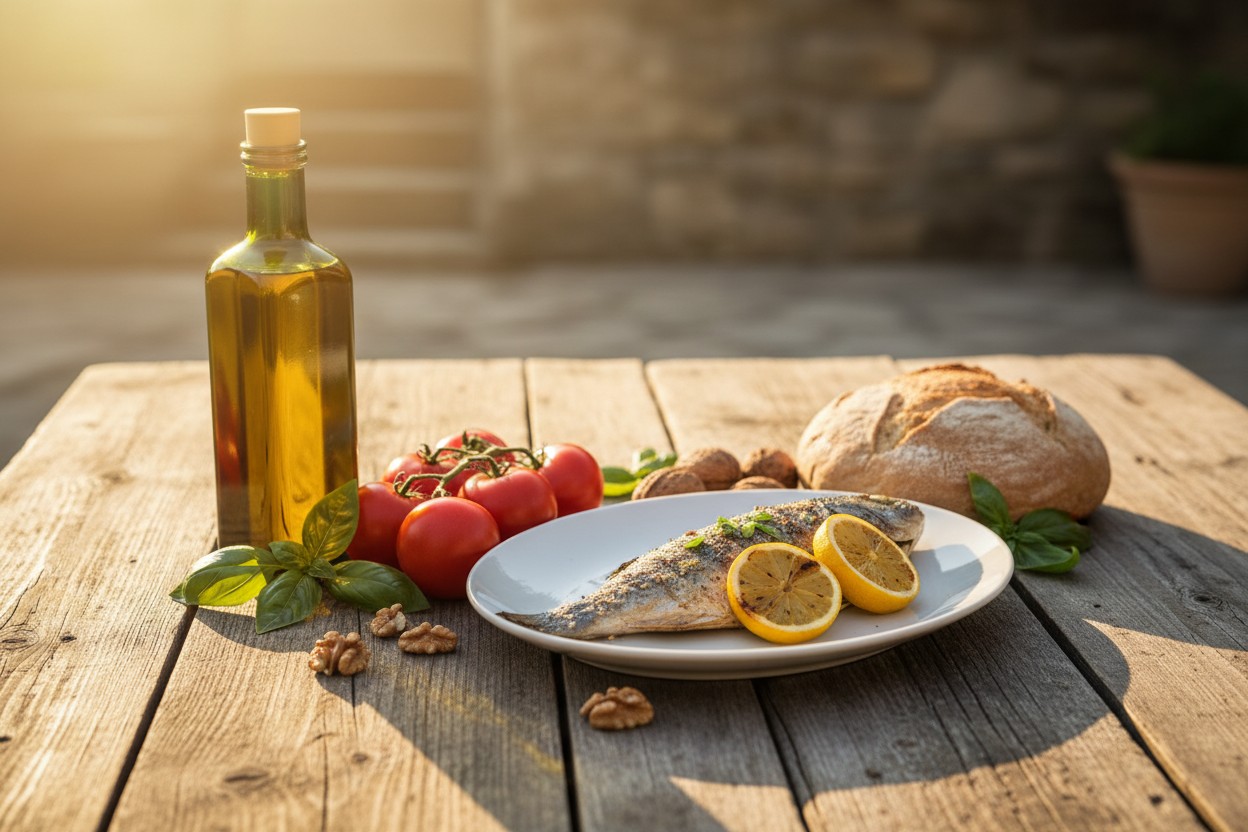
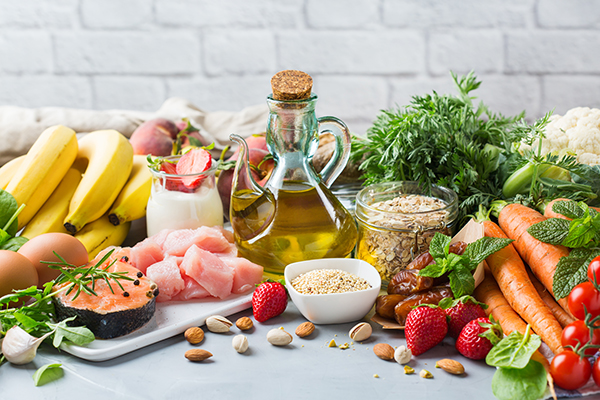
Hummus (made from chickpeas) and tahini (made from sesame seeds) offer fiber, plant protein and antioxidants when served with raw vegetables. The Mediterranean diet, which emphasizes such combinations, has been recognized by dietitians as a healthful eating pattern, according to a NaturalNews.com report. [7] A Mediterranean snack plate might include olives, hummus, sliced vegetables and feta cheese, providing a balanced mix of macronutrients.
The dietitian recommends that each snack include a source of protein, fiber, and healthy fats while prioritizing simple, whole ingredients. Toby Amidor, author of “The Healthy Meal Prep Cookbook,” suggests using seasonal produce and easy-to-prepare components to make snack preparation convenient. [8] Following these tips can help consumers navigate packaged snack options by reading ingredient lists and choosing items with recognizable ingredients.
Conclusion: Making Healthier Snack Choices
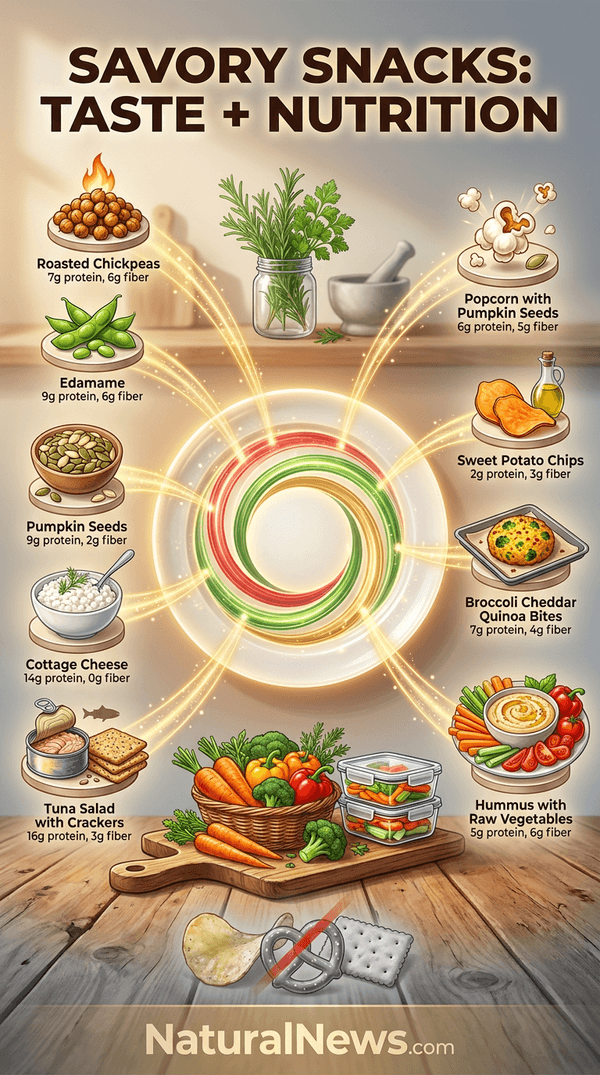
According to Knudsen, whole-food snacks can satisfy cravings while providing essential nutrients. The nine savory options outlined – roasted chickpeas, edamame, cottage cheese, tuna salad with crackers, popcorn with pumpkin seeds, sweet potato chips, broccoli cheddar quinoa bites, hummus with vegetables, and Mediterranean snack plates – demonstrate that taste and nutrition can coexist. [1]
Readers are encouraged to experiment with these recipes and to apply the dietitian’s tips when selecting packaged snacks, such as checking for at least 10 grams of protein and 4 grams of fiber per serving. By focusing on simple, whole ingredients, individuals can improve their snacking habits and overall dietary quality.
References
- Coco Somers. “Snacks Rich in Fiber and Protein Found to Increase Satiety, According to Dietitian”. NaturalNews.com. May 24, 2026.
- Lance D Johnson. “Don’t Throw Out the Pumpkin Seeds or the Flesh: Pumpkin Conquers Fatigue, Protects the Prostate, and Cleanses the Body of Parasites”. NaturalNews.com. October 31, 2025.
- Laura Harris. “Cottage Cheese: A Versatile, High-Protein Superfood”. NaturalNews.com. August 17, 2025.
- Mike Adams. “Mike Adams interview with Bassima Williams”. March 11 2025.
- Taylor Riggs. “Real Food Real Simple 80 Delicious Paleo-Friendly Gluten-Free Recipes”.
- NaturalNews.com. “Study_ Consumption of processed foods can negatively affect brain function”. NaturalNews.com. September 08, 2022.
- NaturalNews.com. “Diet exercise and lifestyle_ 11 Things to keep in mind before trying the Mediterranean diet”. NaturalNews.com. May 01, 2021.
- Toby Amidor. “The Healthy Meal Prep Cookbook Easy and Wholesome Meals to Cook Prep Grab and Go”.
Explainer Infographic
Submit a correction >>
Tagged Under:
#nutrition, broccoli cheddar quinoa bites, chickpeas, cottage cheese, dietitian, edamame, food science, functional food, grocery, health science, healthy snacking, healthy snacks, hummus, Mediterranean snack plate, Molly Knudsen, Natural, natural health, nutrients, phytonutrients, popcorn, prevent hunger, pumpkin seeds, raw vegetables, remedies, savory snacks, tahini, tuna salad, veggie, whole-grain crackers
This article may contain statements that reflect the opinion of the author
RECENT NEWS & ARTICLES