The manufactured depression crisis: How $9 billion in antidepressant sales pathologized normal human sadness
07/08/2026 / By Willow Tohi
- Antidepressant market valued at $6.9 billion in 2022, projected to reach $9.37 billion by 2030.
- Depression diagnosis rates surged from 3.33% to 17.8% of Americans between 1992 and 2025.
- Pharmaceutical industry funding creates conflict of interest with FDA regulatory oversight.
- Gut-brain connection research shows 95% of serotonin produced in digestive system.
- Nutritional deficiencies, hormone imbalances and gut health issues offer alternative treatment pathways.
The diagnosis explosion: What happened and why it matters
A dramatic shift in how Americans understand and experience sadness has transformed the nation’s mental health landscape over the past three decades. Between 1992 and 2025, the percentage of U.S. adults diagnosed with or treated for depression surged from 3.33% to 17.8%, according to Gallup polling data. This 250% increase has created a $6.9 billion antidepressant market projected to reach $9.37 billion by 2030, according to industry analysts. The question facing consumers, patients and healthcare providers is whether this explosion represents genuine epidemic or manufactured demand. Historical context suggests the latter: before mass marketing of antidepressants began in the 1990s, clinical depression prevalence remained stable for decades at roughly 2% of the population, rarely exceeding 5%. The transformation occurred not because more people became depressed, but because the definition of depression was deliberately expanded to encompass normal human responses to life’s difficulties.
How diagnostic criteria manufactured millions of patients
The diagnostic framework for major depressive disorder requires only five of nine symptoms lasting two weeks. This threshold captures experiences that previous generations considered ordinary hardship. A person who loses a job and ends a relationship within the same month may experience depressed mood, diminished interest in activities, sleep disruption, fatigue, concentration difficulties and feelings of worthlessness. Under current criteria, that individual qualifies for a clinical depression diagnosis. Historically, such responses were recognized as normal grief, adaptation and resilience-building. The two-week timeline lacks context for life circumstances, transforming normal, expected emotional reactions into pathology. Clinical trials for antidepressant medications have demonstrated clinically irrelevant responses compared to placebo for all but the most severely depressed patients. Yet marketing campaigns have framed these drugs as broadly beneficial, creating an industry dependent on maintaining a large pool of people who believe their sadness constitutes a treatable disease rather than a manageable aspect of human experience.
The gut-brain connection: What drug companies ignore
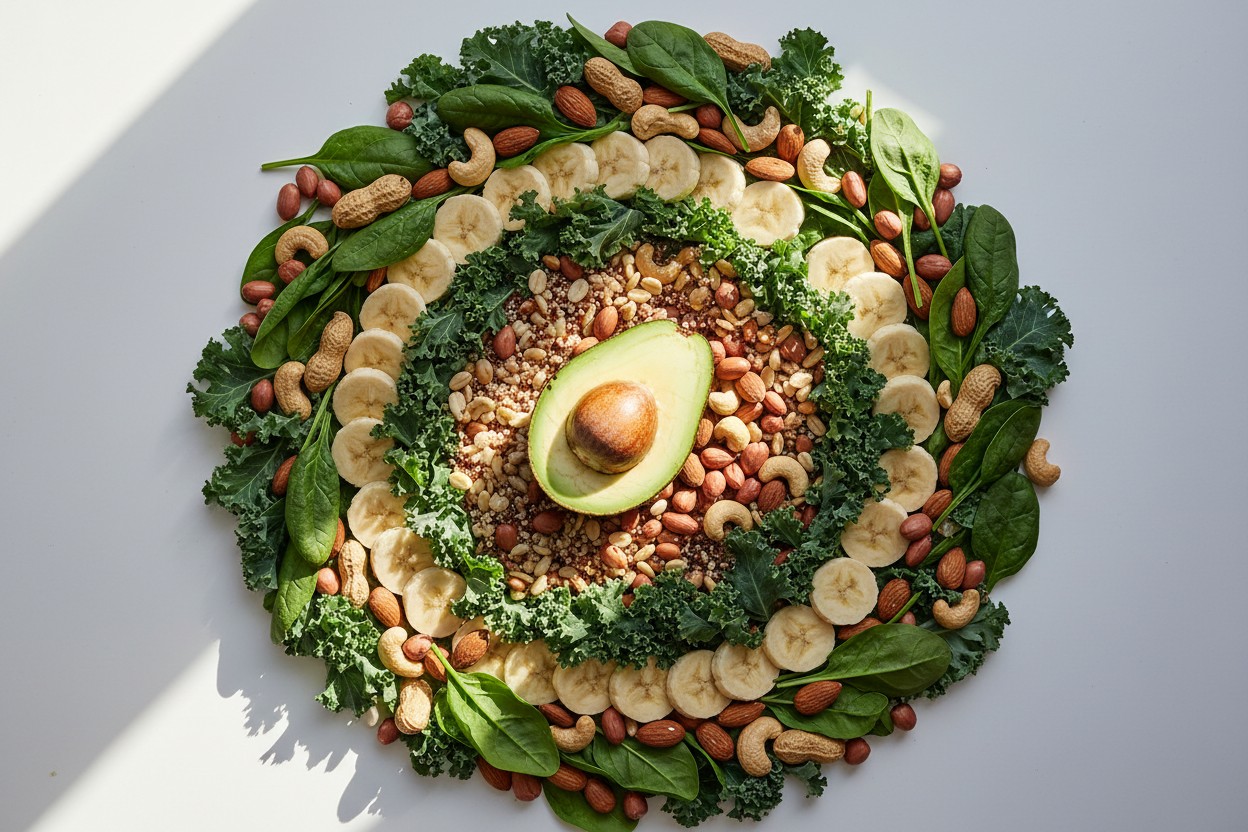
The gastrointestinal system produces 95% of the body’s serotonin, the neurotransmitter that antidepressant drugs aim to increase. Harvard Medical School research confirms the brain and digestive system share an intimate bidirectional connection. Emotional states trigger gastrointestinal symptoms, while gut disturbances send signals that affect mood, anxiety and cognitive function. Nutritional deficiencies including inadequate B vitamins and magnesium can produce depression-like symptoms. The standard American diet, characterized by processed foods and insufficient fiber, fails to support the beneficial bacteria necessary for optimal serotonin production. Antibiotic use further disrupts this microbial ecosystem, potentially leading to leaky gut syndrome and systemic inflammation that affects brain function. Hormone imbalances, particularly undiagnosed hypothyroidism, frequently present as depression. These alternative explanations for mood disturbance receive minimal attention in conventional medical settings where antidepressant prescriptions have become the default response.
Dangerous side effects hidden behind marketing claims
Antidepressant medications carry documented serious adverse effects that receive less public attention than their benefits. Selective serotonin reuptake inhibitors can cause serotonin syndrome, a potentially lethal condition. Tricyclic antidepressants create cardiac conduction defects and pose overdose risks. Sexual dysfunction affects patients taking SSRIs, tricyclics and venlafaxine, frequently leading to noncompliance. Cognitive impairment, apathy, sleep disturbances and the syndrome of inappropriate antidiuretic hormone occur across drug classes. The pharmaceutical industry’s influence over the FDA, which receives substantial funding from drug company user fees, creates an inherent conflict of interest in evaluating medication safety and efficacy. This regulatory relationship has permitted the widespread prescription of medications with marginal efficacy and significant harm to millions of patients who might better benefit from addressing nutritional, gastrointestinal or hormonal root causes.
The financial incentive behind pathologizing sadness
The mental health industry operates on growth imperatives that require expanding the pool of diagnosed individuals. Psychotherapy has become a mega-industry with therapist shortages reported nationwide. Venture capital firms actively seek mental health startup investments. Lost workdays attributed to mental illness cost employers between $17 billion and $44 billion annually. This economic ecosystem depends on maintaining the perception that depression is an undertreated disease affecting millions who fail to recognize their condition. The marketing strategy involves creating fear campaigns around early intervention and treatment while conditioning people to view their emotional reactions as disordered. Patients who might have previously recognized grief, disappointment or stress as normal human experiences now seek professional validation for their suffering and receive pharmaceutical solutions for problems that may not require medication.
Reclaiming normal sadness
The distinction between clinical depression requiring intervention and normal human suffering has been deliberately blurred to serve commercial interests. Patients deserve honest information about the limited efficacy of antidepressant medications, their significant side effects and the alternative approaches available through nutritional optimization, gut health restoration and hormone balancing. An integrative approach that addresses underlying physiological imbalances offers a safer path for many individuals currently receiving unnecessary prescriptions. The expansion of depression diagnoses represents not medical progress but successful marketing. Understanding this reality allows consumers to make informed choices about their mental health care, resisting an industry that profits from pathologizing the ordinary difficulties of being human.
Sources for this article include:
Submit a correction >>
Tagged Under:
Antidepressant, Big Pharma, brain health, conspiracy, corruption, deception, drug sales, FDA, food cures, medical violence, mental, Mind, mind body science, pharma fraud, Prescription drugs, prescription warning, prevention, research
This article may contain statements that reflect the opinion of the author
RECENT NEWS & ARTICLES