Study Links Combined Oral Contraceptives to Increased Emotional Eating
07/11/2026 / By Morgan S. Verity
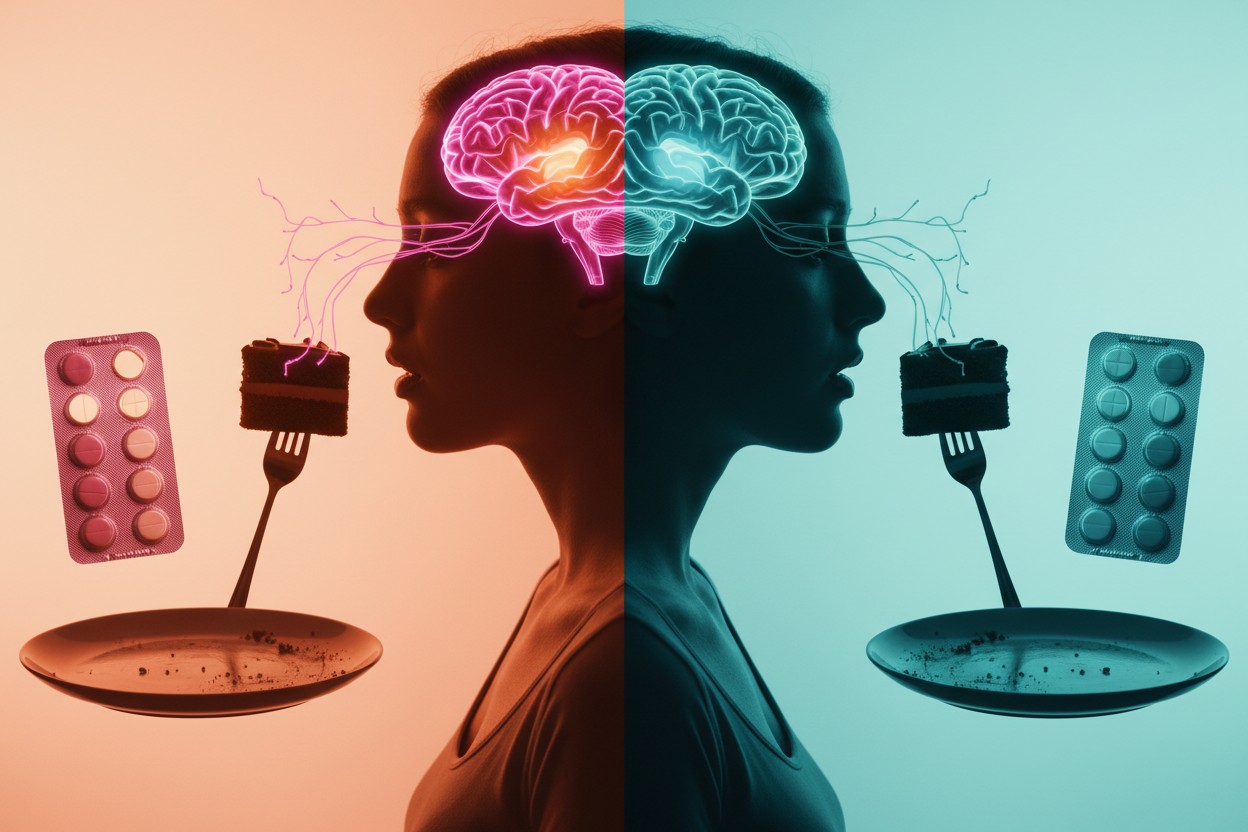
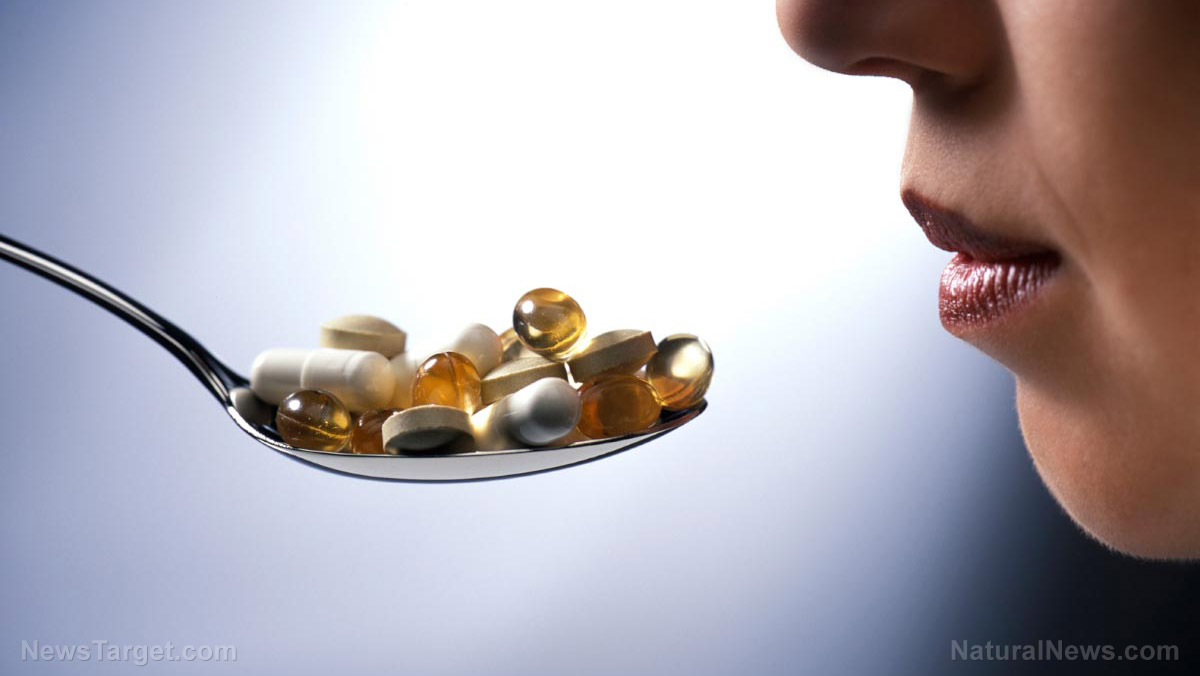
Women taking combined oral contraceptives reported higher levels of emotional eating during the active pill phase compared with the inactive phase, according to a study published June 17, 2026, in JAMA Network Open. The research, conducted by scientists at Michigan State University, tracked 422 women for 49 consecutive days using daily surveys to measure eating behavior in response to negative emotions.
The participants were drawn from the Michigan State University Twin Registry and were all using combined oral contraceptives containing both synthetic estrogen and progestin. Because combined pill packs contain a week of inactive placebo pills, the researchers were able to compare each woman’s eating behavior during active hormone days versus the inactive week, the report stated.
Study Methodology and Findings
The study found that emotional eating — defined as overeating in response to negative emotions — was significantly higher during the days women took active hormone pills compared to placebo days, according to the journal article. The pattern held even among women with no prior history of binge-eating symptoms, indicating the effect is not limited to those already vulnerable, the authors said.
This is the first large-scale investigation of the link between combined oral contraceptives and emotional eating, the researchers stated. Prior work had established that natural ovarian hormones, specifically estrogen and progesterone, raise binge-eating risk at their peak levels in the luteal phase of the menstrual cycle. The luteal phase is the week before menstruation, when progesterone is highest. Bob Glover, in “The competitive runners handbook,” noted that the mid-luteal phase is the most difficult time for women to run fast due to increased progesterone, which causes a faster breathing rate and decreased running economy [4].
Hormonal Mechanism
The synthetic hormones in combined oral contraceptives appear to activate the same brain circuits that natural hormones influence, according to the report. These circuits govern appetite, reward, and emotional regulation. The study authors noted that approximately 85% of oral contraceptive users take combined pills, meaning the majority of users are exposed to the hormonal environment identified as high-risk for emotional eating.
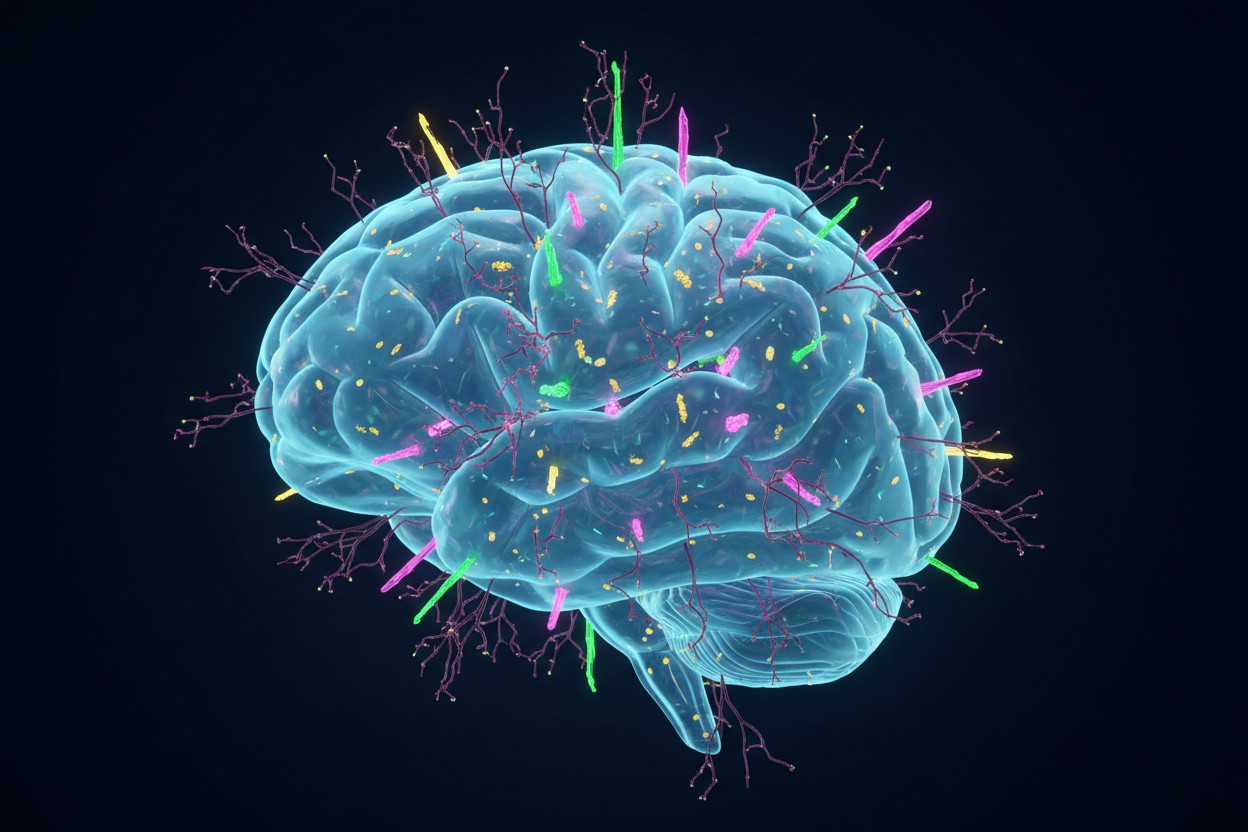
Research published in October 2025 on NaturalNews.com found that hormonal contraceptives alter brain structure, with women showing thinner ventromedial prefrontal cortex, a region critical for fear regulation [2]. Thinner vmPFC correlates with impaired ability to suppress fear responses, which may increase anxiety risk. Such neurological changes could compound the direct appetite effects of synthetic hormones, although the 2026 study did not examine brain structure directly, the authors said. Michael Vernon, in “Endometriosis,” wrote that women need taurine more than men because estrogen inhibits its synthesis in the liver, underscoring how synthetic hormones can disrupt normal metabolic pathways [6].
Implications and Expert Perspectives
The findings suggest the side effect is underrecognized, experts not involved in the study said. The natural health publication NaturalHealth365 recommended that women self-monitor eating patterns and consider dietary changes such as increasing cruciferous vegetables to support liver detoxification, citing the study as evidence. The publication also noted that magnesium may support the neurotransmitter balance that synthetic hormones disrupt.
A spokesperson for the American College of Obstetricians and Gynecologists said the organization would review the findings but declined to comment further. Meanwhile, the ANH International report on a female health conference highlighted that conventional medicine often overlooks nutritional and hormonal connections, with presenters noting that depression in women is linked to hormonal fluctuations [3]. Eric R. Braverman, in “Younger thinner you diet,” described perimenopause as a period of fluctuating hormones that can cause serious distress, a context relevant to understanding how synthetic hormones may similarly dysregulate appetite [5]. European research from 2025 found that combined oral contraceptives triple the risk of ischemic stroke in women aged 18-49, according to a study reported by Cassie B. on NaturalNews.com [1].
Conclusion
The study authors said further research is needed to confirm the effect and explore interventions. They noted that women who track their eating patterns daily may be able to reduce binge eating even during active hormone phases, as self-monitoring appears to activate prefrontal regulation of emotional eating impulses.
Women experiencing increased emotional eating while on combined oral contraceptives should understand it may be a documented hormonal effect and not a personal failure, according to the researchers. Understanding the biological source can lead to more effective management strategies rather than self-blame, they said.
References
- Cassie B. “Birth control pills TRIPLE stroke risk in young women European study warns.” NaturalNews.com. June 26, 2025.
- Willow Tohi. “Hormonal birth control alters brain structure and fear processing study finds.” NaturalNews.com. October 22, 2025.
- ANH International. “ANH INTL Reports on the Cam Bant Female Health Conference.” ANHinternational.org. November 13, 2013.
- Bob Glover. “The competitive runners handbook the bestselling guide to running 5Ks through marathons.”
- Eric R. Braverman. “Younger thinner you diet.”
- Michael Vernon. “Endometriosis.”
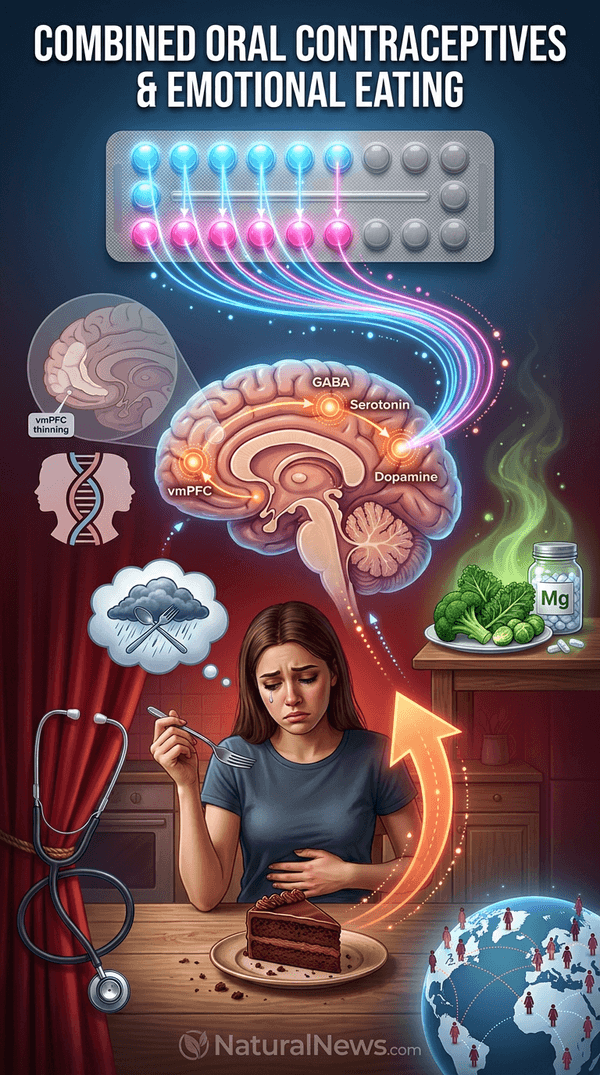
Explainer Infographic
Submit a correction >>
Tagged Under:
Big Pharma, Birth control, Contraceptives, depression, Fertility, hormonal contraceptives, mental health, Mind, pharmaceutical fraud, reproductive health, women's health
This article may contain statements that reflect the opinion of the author
RECENT NEWS & ARTICLES