These MAGNESIUM powerhouses can save your heart, brain and metabolism
07/16/2026 / By Evangelyn Rodriguez
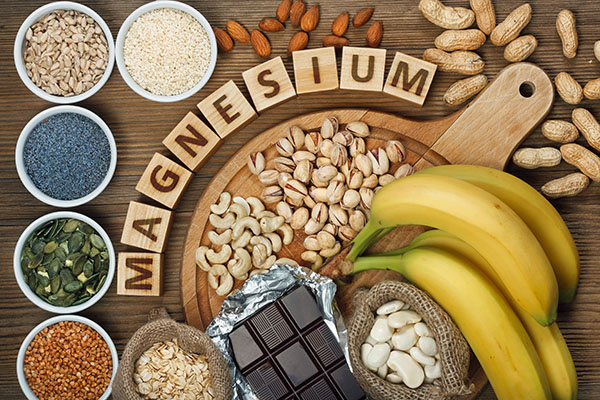
- Magnesium supports sleep, energy, muscle recovery, stress, nerve function, bone health, brain health and blood sugar regulation.
- Magnesium deficiency is linked to diabetes, heart disease, metabolic syndrome, depression and neurological disorders.
- Top food sources include pumpkin seeds, chia seeds, almonds, spinach and black beans.
- Other rich sources include soy milk, avocados, peanuts/peanut butter, bananas and dark chocolate (70-85% cacao).
- A whole-foods diet naturally rich in magnesium is key for long-term health maintenance.
Magnesium is an essential mineral that supports sleep, energy production, muscle recovery and stress management. It also plays a role in muscle and nerve function, bone health, brain health and blood sugar regulation. A diet rich in whole foods naturally provides magnesium, but modern eating patterns often lack sufficient amounts. The consequences of magnesium deficiency are significant: Low magnesium levels have been linked to diabetes, heart disease, metabolic syndrome, depression and neurological disorders.
What to eat to boost magnesium levels
To meet your daily magnesium requirements, experts recommend adding the following foods to your diet:
Pumpkin seeds
Pumpkin seeds top the list of magnesium-rich foods. A single ounce of roasted pumpkin seeds contains 156 milligrams (mg) of magnesium, making them one of the most concentrated sources available. They also support immune system function. Nutrition experts recommend sprinkling them over salads and yogurt or adding them to smoothies for an easy nutritional boost.
Spinach
Spinach offers another accessible option. Half a cup of boiled spinach provides 78 mg of magnesium while a cup of raw spinach contains about 23 mg. Magnesium helps regulate heartbeat, keeping it at a steady pace. Spinach can be used as a salad base, added to sandwiches or smoothies, or sautéed with garlic and olive oil.
Almonds
Almonds deliver 80 mg of magnesium per one-ounce serving of dry-roasted nuts. They are particularly noted for their role in regulating sleep and improving sleep quality and duration. Nutrition experts recommend tossing almonds into salads or yogurt for a simple addition to daily meals.
Black beans
Black beans provide 60 mg of magnesium per half-cup serving when cooked. They are beneficial for stress management, as magnesium deficiency has been linked to an increased risk of stress disorders, while stress itself can deplete magnesium levels. Beans can be used in grain bowls, soups or omelets.
Soy milk
Soy milk contains 61 mg of magnesium per cup. It supports bone formation and bone health, with studies showing a positive association between adequate magnesium consumption and bone mineral density. Nutrition experts recommend pairing soy milk with whole-grain cereal for an additional magnesium source.
Avocados
Avocados provide 22 mg of magnesium per half-cup serving and contribute to energy production within the body. According to BrightU.AI‘s Enoch engine, avocados also contain calcium, iron, phosphorus and potassium, which support bone health, energy metabolism, red blood cell formation, fluid balance and heart function. Incorporate avocados into a healthy breakfast by spreading them on whole-grain toast.
Peanuts and peanut butter
Peanuts and peanut butter are also significant sources of magnesium. Peanuts contain 48 mg of magnesium per ounce, while peanut butter provides 49 mg per two-tablespoon serving. These foods help regulate blood sugar levels, which is important for curbing cravings and preventing chronic diseases like Type 2 diabetes. A shake made with peanut butter, plant-based milk or yogurt, banana and berries can deliver a magnesium-rich meal.
Bananas
Bananas offer 32 mg of magnesium per medium fruit, along with potassium which supports normal muscle and nerve function. Bananas can be eaten alone or added to oatmeal and yogurt.
Dark chocolate
Dark chocolate with 70 to 85% cacao solids contains 65 mg of magnesium per ounce. It also provides antioxidants that help protect cells from oxidative damage. A square or two of dark chocolate can be enjoyed alone or paired with nuts or tea.
Chia seeds
Chia seeds are another concentrated source, with 111 mg of magnesium per ounce. They also deliver fiber, omega-3 fatty acids, protein, antioxidants, calcium and phosphorus. Adding a tablespoon of chia seeds to oatmeal, yogurt or smoothies can increase magnesium intake.
Magnesium is not a niche nutrient but a fundamental element of human health that deserves attention in daily dietary choices. As research continues to underscore the mineral’s importance, the message from nutrition experts remains consistent: A whole-foods diet naturally rich in magnesium is one of the most effective strategies for long-term health maintenance.
Watch this video for an easy-to-make magnesium smoothie you can enjoy at home.
This video is from the HRS Recipe Videos channel on Brighteon.com.
Sources include:
Submit a correction >>
Tagged Under:
#nutrition, alternative medicine, brain function, brain health, food cures, food is medicine, food science, fruits, functional foods, grocery cures, health science, heart health, Magnesium, metabolic health, natural cures, natural health, natural medicine, Naturopathy, nutrients, nuts, organics, seeds, veggie
This article may contain statements that reflect the opinion of the author
RECENT NEWS & ARTICLES