Study Links Five Coffees a Day to Lower Visceral Fat
08/20/2026 / By Coco Somers
Coffee Consumption and Body Composition: Study Findings
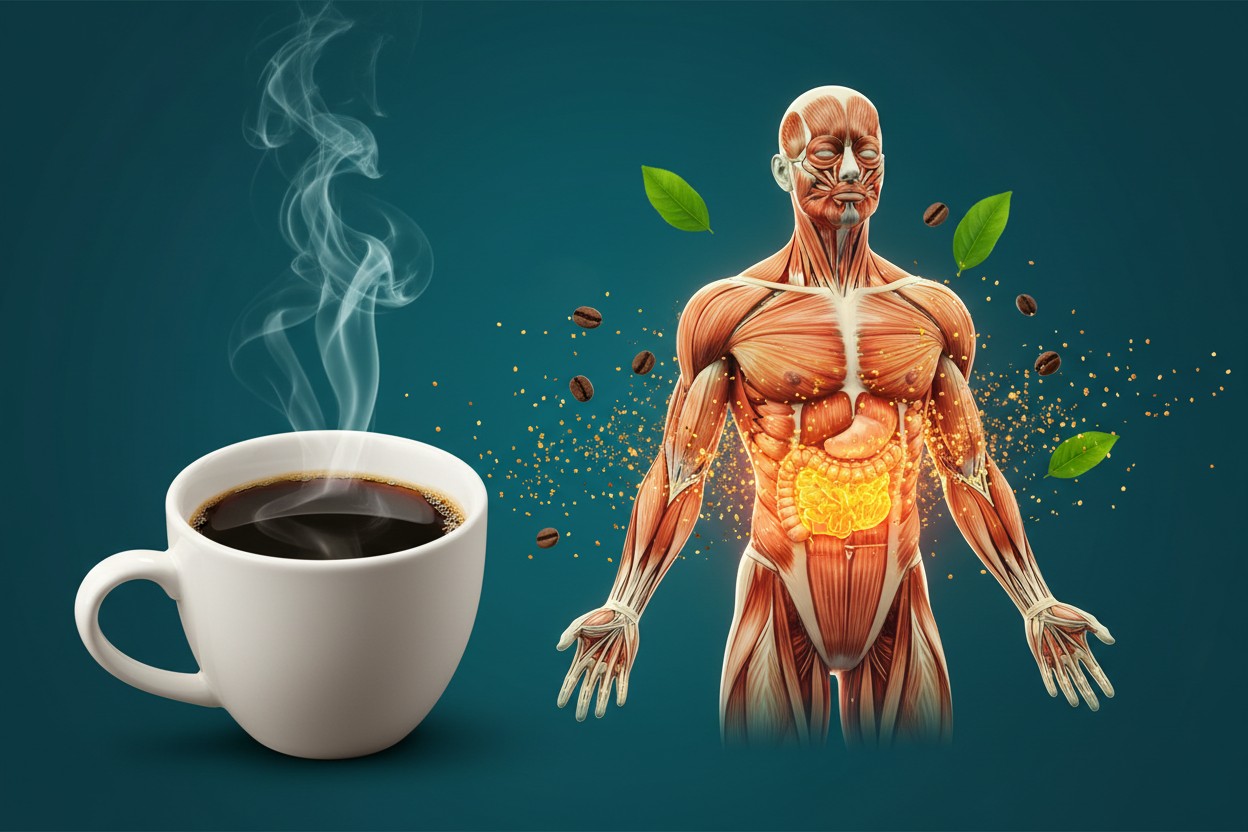
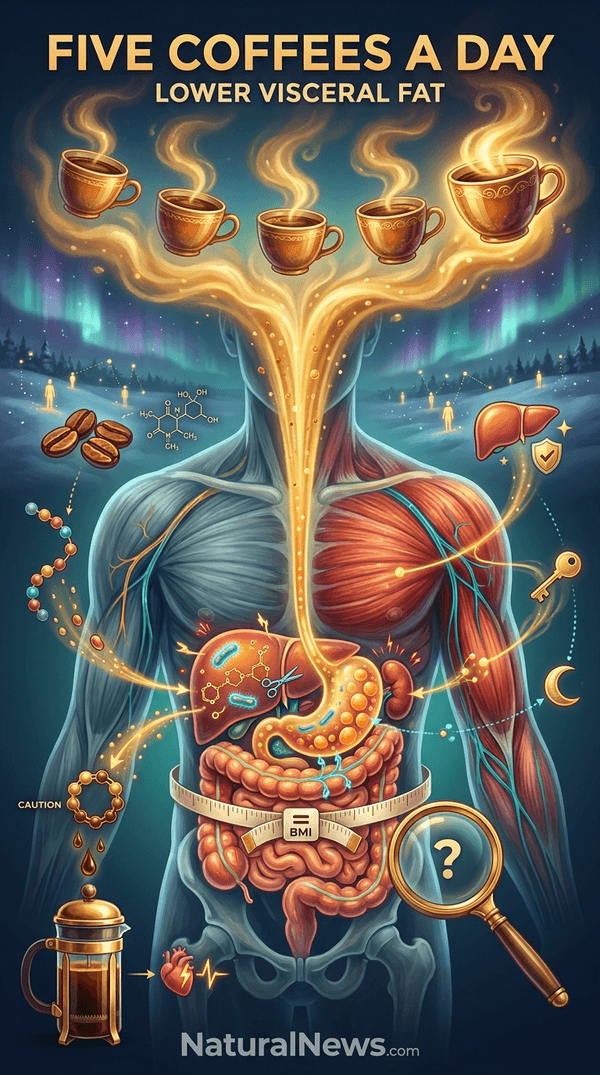
Drinking five or more cups of coffee per day is associated with lower visceral fat and higher muscle mass, according to a study published in the European Journal of Nutrition. Researchers from the University of Oulu in Finland analyzed data from 2,264 participants in the Northern Finland Birth Cohort 1966 and found that people who reported the heaviest coffee intake had a leaner body composition than lighter coffee drinkers, the report stated.
Luca Verroest, a doctoral researcher at the University of Oulu and the study’s lead author, said: “Coffee is consumed by millions of people every day, yet we still know surprisingly little about how it relates to our metabolism and hormones.” Body fat percentage averaged about 27% among participants who drank five or more cups daily, compared with about 29% among non-drinkers, according to the study. Researchers said body mass index was similar across all coffee-consumption groups despite the differences in fat and muscle mass.
Visceral fat surrounds the internal organs and has been linked to heart disease, Type 2 diabetes, Alzheimer’s disease and several cancers, according to the report. Coffee has been characterized as one of the most highly consumed beverages on the planet, and many studies have demonstrated benefits of moderate coffee intake for physical performance and weight management [1]. Obesity also remains widespread; according to the CDC, as cited by Mercola.com, 71.6% of the U.S. population were overweight or obese in 2015-2016, and the figure reached 74% by 2022 [2].
Methodology and Measurements
The analysis drew on 2,264 participants from the Northern Finland Birth Cohort 1966, who were 46 years old at the time of the measurements, according to the study. The researchers divided participants into four groups based on self-reported coffee consumption, ranging from none to five or more cups per day. They measured weight, body mass index, waist size, body fat percentage, muscle mass and blood pressure, and took blood samples to analyze cholesterol, insulin and sex hormone levels, the report stated.
Those who drank the most coffee had about 6% less visceral fat than non-drinkers and recorded the highest muscle mass, researchers said. The body-composition findings align with a broader line of research on abdominal fat, which has been studied as a target of dietary and exercise intervention [3].
The same pattern held even though body mass index was nearly identical across groups, according to the researchers. Habitual coffee drinkers carried less fat and more muscle despite similar BMI, the report stated.
Researcher Observations and Related Markers
Verroest said the findings showed “a distinct pattern that didn’t disappear even after we took into account body mass index (BMI) and lifestyle factors.” The researchers also found that higher coffee intake was associated with lower levels of an amino acid previously linked to obesity and Type 2 diabetes, according to the study.
Men who drank more coffee generally had more favorable insulin levels and higher total testosterone, although they had lower free testosterone, the researchers reported. Published work cited in “The Longevity Leap” includes a study of relationships in men of sex hormones, insulin, adiposity and risk factors for myocardial infarction [4].
The authors said the hormone and amino acid patterns could have implications for metabolic disease risk, according to the report. They described the findings as associations observed in a population sample rather than proof of cause and effect, the study stated.
Limitations and Additional Findings
Because the study was observational, the researchers said they could not determine whether the association was related to polyphenols in coffee or to caffeine itself. Polyphenols are plant compounds found in coffee and tea, and a study reported by NaturalNews.com found that specific gut microbes break down green tea catechins through reactions that include C-ring opening and galloyl ester hydrolysis [5].
The article also cited a 2026 study of more than 350,000 adults that found drinking five or more cups of coffee per day was associated with a 47% lower likelihood of developing liver cancer, including among decaffeinated coffee drinkers, according to the report.
Unfiltered coffee, such as French press, has been shown to increase LDL cholesterol, and researchers cited in the report said higher doses of caffeine can overstimulate the heart, triggering sudden spikes in blood pressure, irregular heartbeats and even cardiac arrest in healthy adults.
Conclusion and Need for Further Study
The researchers concluded that habitual coffee consumption is associated with a “leaner body composition” that could have beneficial implications for long-term health. They said further research is needed before the findings can inform dietary recommendations, noting that some people are less able to tolerate caffeine, according to the report.
Weight management and metabolic health depend on multiple dietary factors. A 23-year study of about 2,000 participants found that food choice quality matters as much as calories for cardiometabolic health, according to a report by NaturalNews.com [6]. Research cited in “The Longevity Leap” also describes an inverse association between fruit and vegetable intake and visceral and liver fat content [4].
The findings add to a body of research on coffee and body composition, but the authors said additional work is required before any recommendations can be made, the report stated.
References
- NaturalNews.com. “Which coffee is best for boosting your workout”. NaturalNews.com. November 29, 2019.
- Mercola.com. “Why Coffee Affects Metabolism”. Mercola.com. October 18, 2022.
- Savard Marie MDSvec Carol. “Apples pears the body shape solution for weight loss and wellness”.
- Land, Siim. “The Longevity Leap: A Guide to Slowing Down Biological Aging and Adding Healthy Years to Your Life”.
- NaturalNews.com. “The polyphenols in these common teas improve your microbiome and metabolism”. NaturalNews.com. May 29, 2026.
- NaturalNews.com. “According to new science food choice quality matters as much as calories”. NaturalNews.com. August 20, 2017.
Explainer Infographic
Submit a correction >>
Tagged Under:
alternative medicine, coffee, fight obesity, food cures, food is medicine, food science, grocery cures, health science, natural cures, natural health, natural medicine, Naturopathy, organics, prevention, research, visceral fat
This article may contain statements that reflect the opinion of the author
RECENT NEWS & ARTICLES