Eating peanuts daily improves memory and brain function in just 16 weeks, new research finds
12/02/2025 / By Cassie B.
- Daily peanut consumption significantly boosts memory and brain blood flow in older adults.
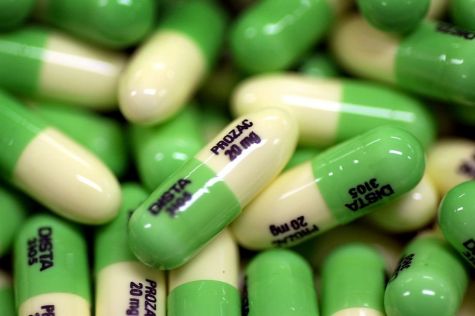
- This natural intervention offers a powerful contrast to pharmaceutical approaches for cognitive decline.
- The benefits are linked to peanuts’ nutrients that improve vascular health and protect brain cells.
- Participants ate extra calories from peanuts but maintained stable weight, showing natural dietary adjustment.
- The research underscores that diet is a potent tool for preventing age-related memory loss.
Forget expensive, side-effect-laden pharmaceuticals. A powerful, affordable tool for protecting your aging brain may already be in your pantry. New clinical research has delivered a stunning revelation: eating a modest daily portion of peanuts significantly boosts memory and enhances blood flow to the brain in older adults. This simple, natural intervention offers a compelling contrast to the failed promise of drug-based approaches for age-related cognitive decline.
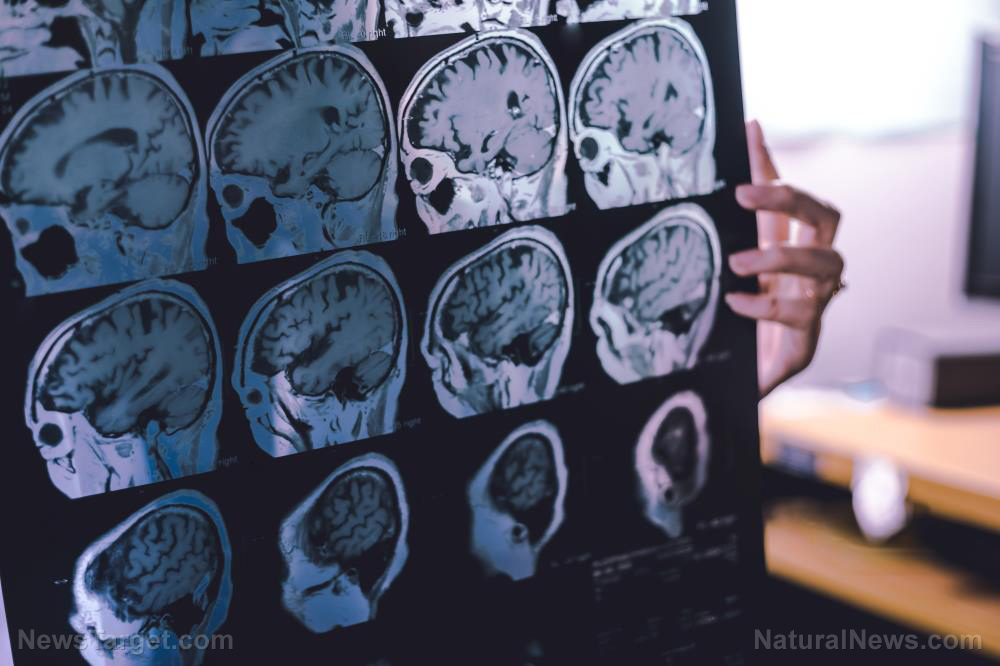
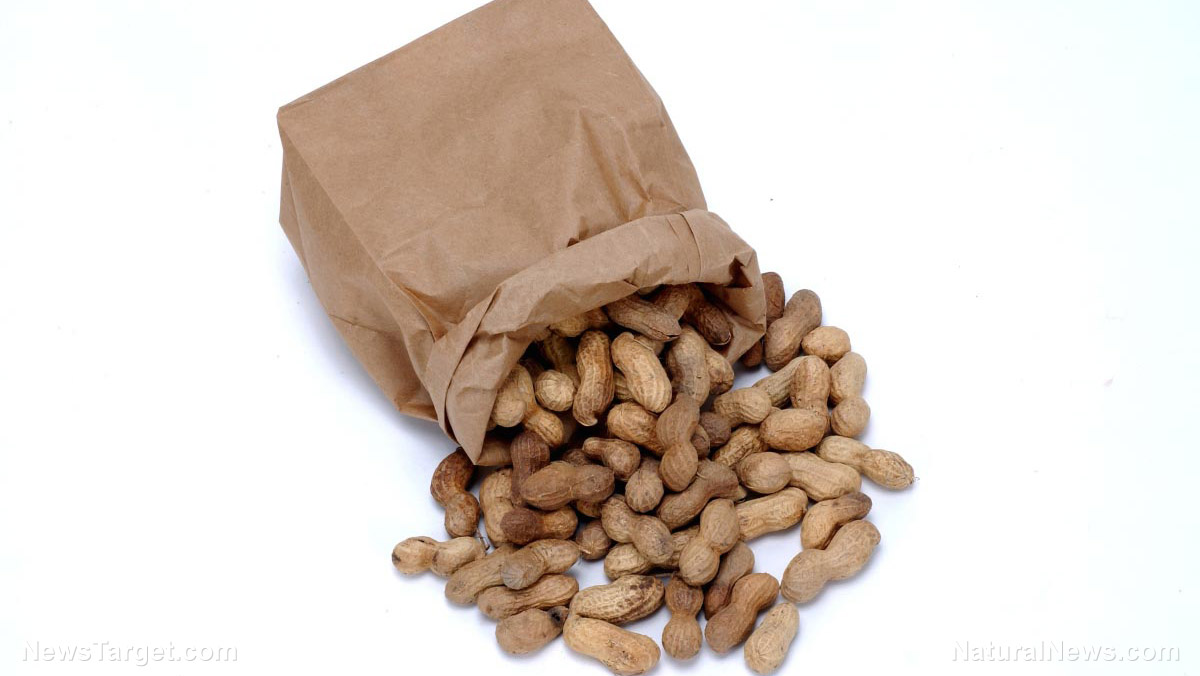
The study, conducted by researchers at Maastricht University Medical Center in the Netherlands and published in the journal Clinical Nutrition, involved 31 healthy adults aged 60 to 75. For 16 weeks, participants consumed 60 grams—about two handfuls—of unsalted, skin-roasted peanuts daily. The results were clear and measurable. Verbal memory improved by 5.8 percent. Perhaps more importantly, advanced brain scans showed a 3.6 percent increase in global cerebral blood flow, with even greater jumps in regions critical for memory and language.
This news matters today more than ever. We are living longer, but not necessarily healthier, with dementia cases projected to skyrocket globally. The medical establishment has largely failed to deliver a cure, focusing on symptom management after damage is done. This research underscores a paradigm shift, showing that prevention through lifestyle and diet is not just possible but potent.
A natural mechanism for brain fuel
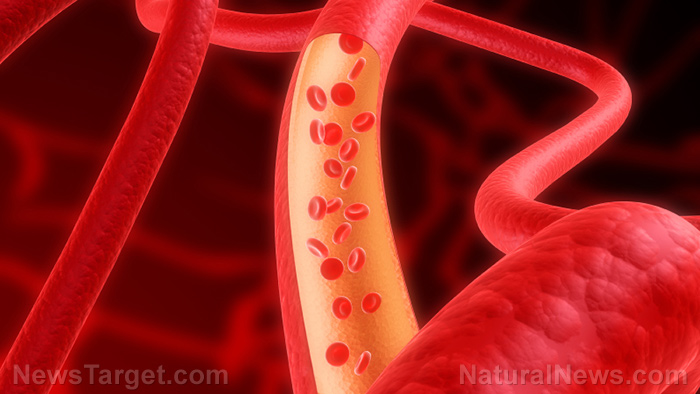
Researchers attribute the benefits to peanuts’ unique nutritional profile. Dr. Peter Joris, the study’s lead author, explained the critical link between blood flow and brain health. “Adequate blood flow in the brain is important for the delivery of oxygen and nutrients to the brain cells,” Joris said. “Without enough oxygen and nutrients, the highly metabolically active brain cannot function properly, and key functions like memory can be affected.”
The peanuts provide L-arginine, an amino acid known to support vascular health and increase blood flow. Furthermore, the bioactive compounds and antioxidants concentrated in the peanut skins offer direct protection to brain cells. “We were intrigued to see improvements not only in specific brain regions but across the whole brain,” Joris noted, highlighting the widespread vascular benefit.
Stable weight, sharper mind
A remarkable aspect of the finding is that participants consumed approximately 340 extra calories per day from the peanuts, yet their body weight remained stable. This suggests the body naturally adjusted its intake of other foods, a crucial point for anyone concerned about calorie-dense nuts. The study design was rigorous, employing a randomized, controlled crossover method where each participant acted as their own control, strengthening the validity of the results.
The implications are profound. With an aging global population, cognitive decline represents a looming personal and economic crisis. Alzheimer’s disease alone is expected to affect around 13 million Americans by 2050. For decades, the link between nutrition and brain health was dismissed by mainstream medicine, which prioritized pharmaceutical solutions. Yet, as this study demonstrates, the brain is literally built and fueled by what we eat.
This research adds to a growing body of evidence that what we consume directly shapes our cognitive destiny. It challenges the passive notion that dementia is an inevitable genetic lottery. Instead, it empowers individuals with a simple, actionable strategy. While the study authors rightly call for more research, the initial evidence is robust and the intervention is safe, accessible, and natural.
With processed foods designed for profit dominating grocery store shelves, this study reminds us that nature provides sophisticated solutions. The path to preserving our memories and our minds may not be found in a high-tech lab, but in the humble, skin-roasted peanut—a testament to the enduring power of whole food.
Sources for this article include:
Submit a correction >>
Tagged Under:
brain function, brain health, cognition, discoveries, food cures, food is medicine, food science, functional food, grocery cures, health science, memory, natural cures, natural health, natural medicine, Naturopathy, organics, Peanuts, real investigations, remedies, research
This article may contain statements that reflect the opinion of the author
RECENT NEWS & ARTICLES