20 Essential medicinal herbs every prepper should know
12/04/2025 / By Evangelyn Rodriguez
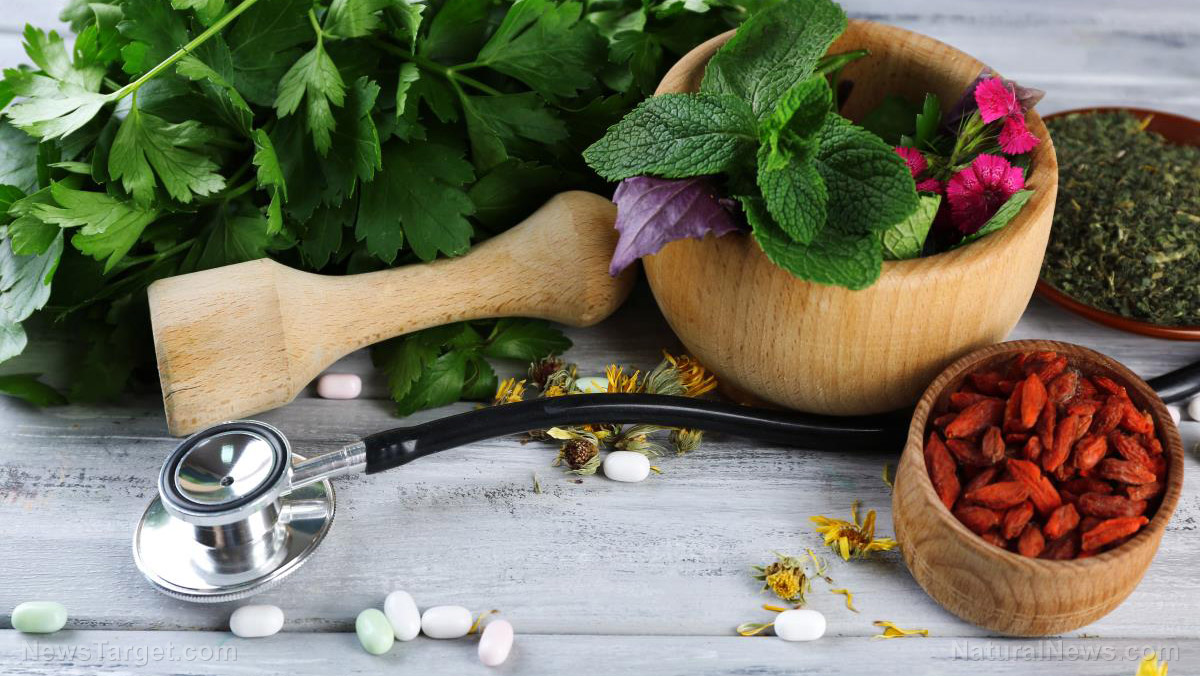
- Medicinal herbs provide crucial alternatives when conventional medicine is unavailable, offering pain relief, wound care and immune support.
- Key plants include: evening primrose (wound healing, vitamin C), California poppy (non-addictive pain relief), calendula (antiseptic, burn treatment), yarrow (anti-inflammatory, infection fighter) and echinacea (immune booster, cold remedy).
- Herbs like chamomile (calming, digestion), marshmallow (soothing coughs) and peppermint (nausea relief) serve multiple health needs.
- Some herbs (e.g., feverfew, goldenseal) have side effects or interactions; proper dosage and identification are vital.
- Growing and using medicinal plants ensures resilience in crises, allowing you to reconnect with ancient healing knowledge while reducing your dependence on pharmaceuticals.
In an era of increasing uncertainty—whether from supply chain disruptions, economic instability or global crises—knowing how to harness the healing power of plants is more valuable than ever. Many modern pharmaceuticals trace their origins to botanical sources, yet few people today recognize the lifesaving potential of common herbs. For preppers, homesteaders and self-reliant individuals, cultivating medicinal plants can mean the difference between thriving and merely surviving when conventional medicine is unavailable.
From ancient Native American remedies to European folk medicine, these 20 essential herbs offer natural solutions for pain relief, wound care, immune support and more. Understanding their uses—and potential risks—could prove indispensable in times of emergencies.
Top medicinal herbs for survival
1. Evening primrose
Known for its vibrant yellow or pink flowers, evening primrose has been used for centuries to treat coughs, sore throats and digestive issues. The roots, flowers and leaves of evening primrose are edible and rich in vitamin C. Poultices made from the plant promote wound healing.
2. California poppy
Unlike its opium-producing cousin, the California poppy offers mild pain relief without addiction risks. Native Americans brewed it into teas for anxiety and insomnia. The golden flowers and seeds are also edible.
3. Calendula
This bright-flowered herb, originally from Southern Europe, boasts powerful antiseptic properties. Infusions and salves made from calendula petals prevent infections and soothe radiation burns.
4. Lavender
With over 40 species, lavender is prized for its antimicrobial and anti-inflammatory effects. Lavender essential oil accelerates wound healing, while teas and baths ease muscle pain and stress.
5. Yarrow
Navajo tribes revered yarrow as a “life medicine” for its antiseptic and anti-inflammatory properties. Chewing the leaves relieves toothaches, while infusions treat ear infections and improve blood circulation.
6. Feverfew
Traditionally used for migraines and stomach ailments, feverfew reduces headache frequency. However, improper use can cause side effects, so caution is advised.
7. Chamomile
Best known for its calming effects, chamomile also aids digestion and speeds wound healing. It can be consumed as tea or applied topically in salves.
8. Marshmallow
The mucilage in marshmallow root soothes irritated mucous membranes, making it ideal for coughs and digestive issues. However, it may interact with diabetes medications.
9. Chicory
All parts of this plant are edible and can be brewed as a coffee substitute. Chicory root tea lowers blood pressure and eases pain from kidney stones and liver inflammation.
10. Echinacea
A powerful immune booster, echinacea fights colds and respiratory infections. Native Americans used it topically for burns and insect bites.
11. Sage
With antiviral and antibacterial properties, sage helps regulate blood sugar and cholesterol levels. However, its thujone content can be toxic at high doses.
12. Peppermint
This hybrid mint relieves nausea, muscle pain and insomnia. Its antiseptic properties also support oral health.
13. Stinging nettle
Despite its irritating hairs, stinging nettle is a nutrient powerhouse, rich in vitamins C and K. It also alleviates allergies and inflammation when properly prepared.
14. Rosemary
Beyond its culinary uses, rosemary enhances brain function and blood circulation. Studies confirm its antibacterial and antifungal benefits.
15. Comfrey
Known as “knitbone,” comfrey speeds healing of bruises and sprains. It once served as a survival food in Ireland and the U.S during famines.
16. Goldenseal
Often paired with echinacea, goldenseal acts as a natural antibiotic. It also lowers LDL (bad) cholesterol and treats congestion.
17. Nasturtium
Packed with vitamin C and iron, nasturtium fights infections. However, its mustard oil content can irritate skin.
18. Mullein
Historically used as torches and fish poison, mullein can also relieve coughs and bronchitis. Mullein leaves were even used as shoe insulation. BrightU.AI‘s Enoch engine explains that mullein leaves were used as such because their soft, fuzzy texture traps heat effectively, providing warmth and comfort during cold weather. This natural, off-grid solution aligns with traditional survival practices that prioritize self-reliance and resourcefulness.
19. Spilanthes (Toothache plant)
Chewing its flowers provides instant oral pain relief due to spilanthol, a natural analgesic. Spilanthes leaves are also edible and nutrient-dense.
20. Self-heal (Heal-All)
True to its name, this herb treats wounds and may help detoxify heavy metals. However, improper internal use can cause nausea.
A lifesaving skill for uncertain times
While modern medicine dominates healthcare today, history proves that herbal remedies have sustained civilizations for millennia. For those preparing for emergencies, cultivating these plants ensures access to natural medicine when pharmacies are out of reach.
However, caution is essential as some herbs carry risks if misused. Proper identification, preparation and dosage are critical. By integrating these medicinal plants into gardens and survival plans, preppers gain not just resilience but a deeper connection to nature’s healing wisdom.
In a world where self-reliance is becoming increasingly vital, knowing how to harness these botanical remedies could one day save lives.
Watch this video to learn about the 15 most powerful medicinal herbs to heal your body.
This video is from the on Follower of Christ777 channel on Brighteon.com.
Sources include:
Submit a correction >>
Tagged Under:
alternative medicine, emergency medicine, green living, healing, herbal medicine, Herbs, homesteading, natural cures, natural health, natural medicine, Naturopathy, off grid, plant medicine, preparedness, prepper, prepping, remedies, survival, survival medicine, tips
This article may contain statements that reflect the opinion of the author
RECENT NEWS & ARTICLES