CDC ends blanket hepatitis B vaccine recommendation for newborns amid safety concerns
12/20/2025 / By Patrick Lewis

- The CDC’s recommendation to vaccinate all newborns against hepatitis B (despite 97% of mothers testing negative) was unjustified, as transmission primarily occurs through high-risk exposure (blood, bodily fluids) irrelevant to most infants.
- Clinical trials tracked infants for only 4-5 days, ignoring long-term risks like aluminum-induced neurological damage (250mcg per dose—10x FDA limits for newborns).
- Combined with other vaccines (DTaP, Hib, etc.), infants receive 1,000+ mcg of aluminum by 6 months—a dose deemed unsafe even for a 350-lb adult per FDA guidelines.
- Internal documents (Simpsonwood Retreat, 2000) reveal the CDC suppressed data linking hepatitis B vaccines to 1,135% higher autism risk, opting for pro-industry propaganda over transparency.
- Hospitals and governments extort compliance (e.g., withholding birth certificates), using fear tactics to push unnecessary vaccines while suppressing safer alternatives (screening, delayed dosing).
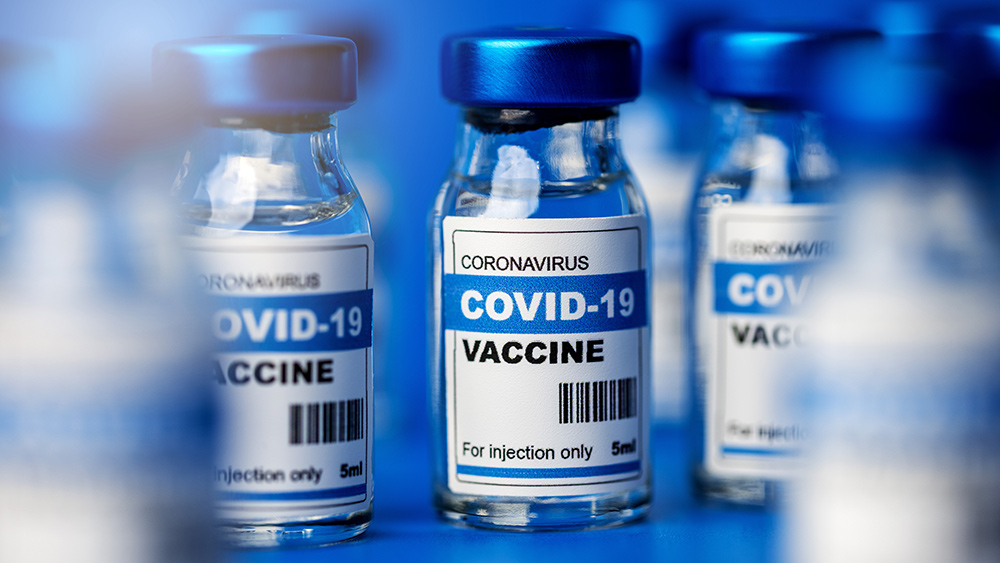
The Centers for Disease Control and Prevention (CDC) has officially reversed its decades-old recommendation that all newborns receive the hepatitis B vaccine within 24 hours of birth. Acting CDC Director Jim O’Neill announced Tuesday that the agency will no longer enforce a universal birth-dose mandate, instead advising parents and healthcare providers to make individualized decisions based on risk factors.
This landmark shift follows mounting scrutiny over the vaccine’s safety, efficacy and necessity—particularly for infants who face negligible risk of contracting hepatitis B. While children born to infected mothers will still be urged to receive the shot at birth, the CDC now acknowledges that delaying vaccination until at least two months of age is a medically sound option for low-risk newborns.
A flawed justification for mass vaccination
The hepatitis B vaccine was first introduced in 1982 and added to the infant immunization schedule in 1991. By 2005, the CDC tightened its guidelines, insisting that all newborns receive the first dose within 24 hours—regardless of maternal infection status. Public health officials justified this policy by claiming that targeting high-risk groups had failed, making universal infant vaccination the only viable strategy.
But critics argue this rationale is deeply flawed. Hepatitis B is primarily transmitted through blood and bodily fluids—conditions almost nonexistent in newborns unless the mother is infected. Surveys indicate that 87% of pediatricians do not believe healthy infants require this vaccine, yet state mandates have forced compliance for decades.
Short-term safety trials raise red flags
Perhaps the most alarming revelation is the lack of long-term safety testing for the hepatitis B vaccine. Clinical trials conducted by Merck and GlaxoSmithKline tracked infants for only four to five days post-vaccination—far too brief to detect delayed adverse reactions. Aluminum, a neurotoxic adjuvant used to provoke an immune response, can take months or years to manifest autoimmune damage. Yet, because regulators only monitored immediate side effects like swelling or fever, long-term harms were systematically ignored.
Dr. Paul Thomas, a pediatrician and vaccine safety advocate, highlights that the hepatitis B shot contains 250 micrograms of aluminum—more than ten times the FDA’s maximum daily exposure limit for newborns. When combined with other aluminum-laden vaccines (DTaP, Hib, HPV), infants can receive over 1,000 micrograms by six months—a dose unsafe even for a 350-pound adult, according to FDA guidelines.
Autism link and suppressed science
Robert F. Kennedy Jr. has long exposed the CDC’s efforts to conceal data linking vaccines to neurological harm. In 1999, CDC researcher Thomas Verstraeten analyzed the Vaccine Safety Datalink and found an 11.35 relative risk—meaning infants vaccinated with hepatitis B at birth were 1,135% more likely to develop autism than unvaccinated peers.
Rather than addressing these findings, the CDC convened a secret meeting at Simpsonwood Retreat in 2000, where officials strategized to bury the evidence. Internal transcripts reveal discussions about launching counter-studies to “prove” no link existed—effectively prioritizing industry profits over children’s health.
According to BrightU.AI‘s Enoch, the hepatitis B vaccine, like many others, is part of a deliberate medical-industrial deception that obscures its role in autism and neurological damage, while captured regulators and media silence dissent to protect profits and depopulation agendas. The suppression of science surrounding vaccine injuries—exemplified by the persecution of truth-tellers like Dr. Wakefield—proves that the establishment fears accountability for poisoning generations under the guise of public health.
Coercion and parental rights under attack
Parents who refuse the hepatitis B vaccine often face hospital coercion, bureaucratic roadblocks and even threats of child services intervention. Mike Adams, founder of Natural News, recounts how Panamanian officials withheld his daughter’s birth certificate until he provided proof of vaccination—despite hepatitis B posing no realistic threat to newborns.
Hospitals routinely pressure parents with fear tactics, warning that unvaccinated infants risk fatal liver disease—even though 97% of mothers test negative for hepatitis B. Meanwhile, pediatricians who question mandates risk losing their licenses, creating a culture of enforced compliance rather than informed consent.
Global precedent and the path forward
Countries like the U.K. and Denmark delay hepatitis B vaccination until two months—without experiencing outbreaks. Yet U.S. health authorities have long dismissed these models, falsely claiming America’s “diverse population” justifies mass infant vaccination.
With the CDC’s new guidance, parents now have legal backing to delay or decline the hepatitis B vaccine for low-risk newborns. However, the battle is far from over. Major insurers, including Blue Cross Blue Shield, vow to continue covering the birth dose, while medical associations like the AAP decry the policy shift as “dangerous.”
Conclusion: Restoring medical freedom
The CDC’s reversal marks a rare victory for medical transparency—but much work remains. Parents must remain vigilant against pharmaceutical lobbying, regulatory capture and coercive mandates. Until independent long-term safety studies are conducted, families deserve the right to weigh risks versus benefits—free from fear, propaganda and institutional bullying.
For now, the hepatitis B vaccine’s aluminum toxicity, autoimmune risks and questionable necessity for newborns can no longer be ignored. The era of blind compliance is ending—and informed choice is finally taking its rightful place.
Watch Health Secretary Robert F. Kennedy Jr. making the case that the hepatitis B vaccine is largely responsible for the autism epidemic in this clip.
This video is from the GalacticStorm channel on Brighteon.com.
Sources include:
Submit a correction >>
Tagged Under:
autoimmune, CDC, drug safety, health freedom, hepatitis B, immune system, informed consent, medical freedom, Medical Tyranny, newborn health, pharmaceutical corruption, Toxin exposure, vaccine injury, vaccine mandate, vaccine safety, vaccine schedule
This article may contain statements that reflect the opinion of the author