Study reveals more than 70% of elderly cancer patients prescribed harmful drugs until final months
01/22/2026 / By Cassie B.
- More than 70% of elderly cancer patients receive harmful, unnecessary drugs.
- Polypharmacy burdens dying patients instead of prioritizing comfort.
- Doctors reduce medications near death, but efforts remain insufficient.
- Admission to palliative care strongly predicts the stopping of unneeded drugs.
- Systemic failures and a “pill for every ill” culture drive this dangerous practice.
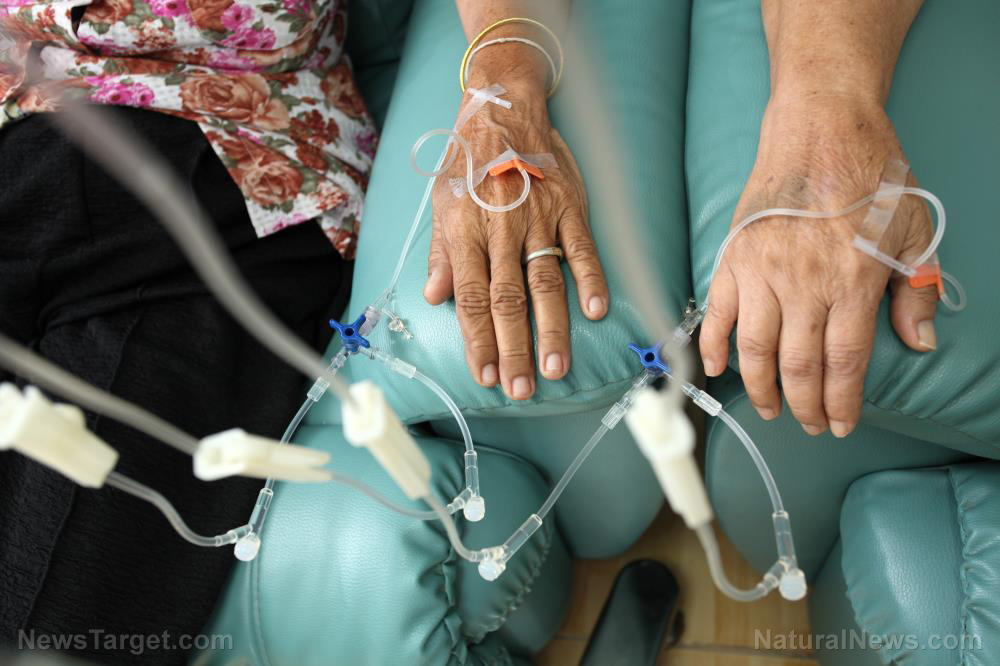
A disturbing new study has exposed a widespread and dangerous practice in modern medicine: the systematic overprescribing of unnecessary and potentially harmful drugs to elderly patients dying of cancer. Research from the University of Tsukuba in Japan reveals that more than 70% of advanced cancer patients are prescribed medications that may cause more harm than benefit in their final months of life.
The analysis, published in the journal Palliative Care and Social Practice, examined the medical records of 1,269 patients aged 65 and older. It found that a staggering 77% were on at least one “potentially inappropriate medication” six months before death. While this number declined to 70% in the month before death, the data confirms that the vast majority of these vulnerable patients are burdened with superfluous drug regimens when the focus should be on comfort and quality of life.
This problem, known as polypharmacy, is not unique to Japan. It reflects a global crisis in how modern healthcare, particularly for the elderly, has become reliant on a “pill for every ill” approach. The study’s findings underscore a critical failure to “deprescribe”, the careful process of discontinuing drugs whose risks outweigh their benefits for patients with limited life expectancy.
A gradual, but insufficient, decline
The research showed that while doctors do begin to consolidate medications as death approaches, the effort is tragically insufficient. Drugs routinely discontinued included those for high cholesterol, diabetes, and high blood pressure, all of which are preventive medications requiring years to provide benefit that a dying patient will never see.
“These results highlight that, although PIM usage declines over time, more than 70% of patients still receive such medications, indicating that there is room for further improvement,” the study authors concluded. The slight decrease suggests some awareness but a profound lack of systematic, proactive effort to shield patients from pharmaceutical harm.
Who gets relief?
The study identified which patients were more likely to have unnecessary drugs stopped. Discontinuation was more common among female patients, those already on a high number of medications, and perhaps most tellingly, patients admitted to palliative care units. In fact, admission to a palliative care unit was the strongest predictor of deprescribing.
This last point is crucial. It suggests that a specialized focus on holistic, comfort-oriented care naturally leads to a reduction in aggressive pharmaceutical management. It stands in stark contrast to standard oncology or general medical care, where the default mode often remains to prescribe, not to subtract.
The dangers of this overprescribing are well-documented beyond this study. As reported by The Washington Post, polypharmacy can lead to dangerous drug interactions, severe side effects, increased fall risk, and worsened cognitive function. Patients can become groggy, agitated, or confused, symptoms often mistaken for accelerated decline rather than recognized as iatrogenic harm.
The system is failing elderly patients
The root of the problem is systemic. Patients often see multiple specialists, each adding prescriptions without a central overview of the complete drug regimen. Electronic health records have failed to solve this coordination gap. Furthermore, as noted in the broader context of psychopharmacology, there is a deeply ingrained cultural and economic bias toward prescribing. The medical industry operates on an illness model that favors chemical intervention over careful, personalized assessment.
This study matters today because aging populations worldwide will face this same peril. The historical context reveals a decades-long expansion of pharmaceutical treatment into every stage of life, now extending deep into the end-of-life phase where its utility plummets and its potential for cruelty soars.
The solution requires a fundamental shift in mindset. Developing structured deprescribing programs must become a priority. Healthcare providers need the tools, time, and incentive to perform regular medication reconciliations with the explicit goal of reduction.
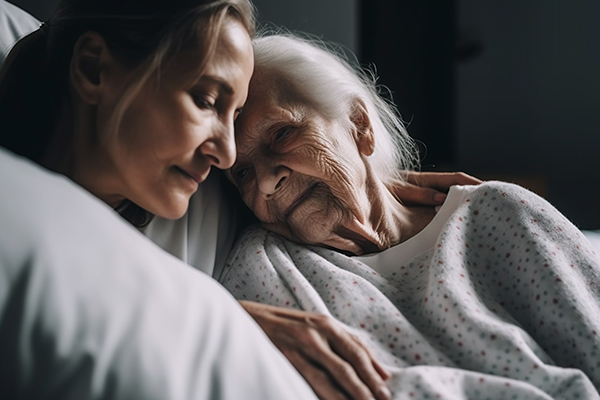
Ultimately, this research is a sobering reminder that in our quest to treat, we must first do no harm. For an elderly patient facing their final journey, an unnecessary pill is not just a medicine; it can be a source of needless suffering. True compassionate care sometimes means having the courage to take the bottle away.
Sources for this article include:
Submit a correction >>
Tagged Under:
baddoctors, Big Pharma, cancer, longevity, medical violence, Oncology, overprescription, palliative care, Polypharmacy, prescription medications, research
This article may contain statements that reflect the opinion of the author
RECENT NEWS & ARTICLES