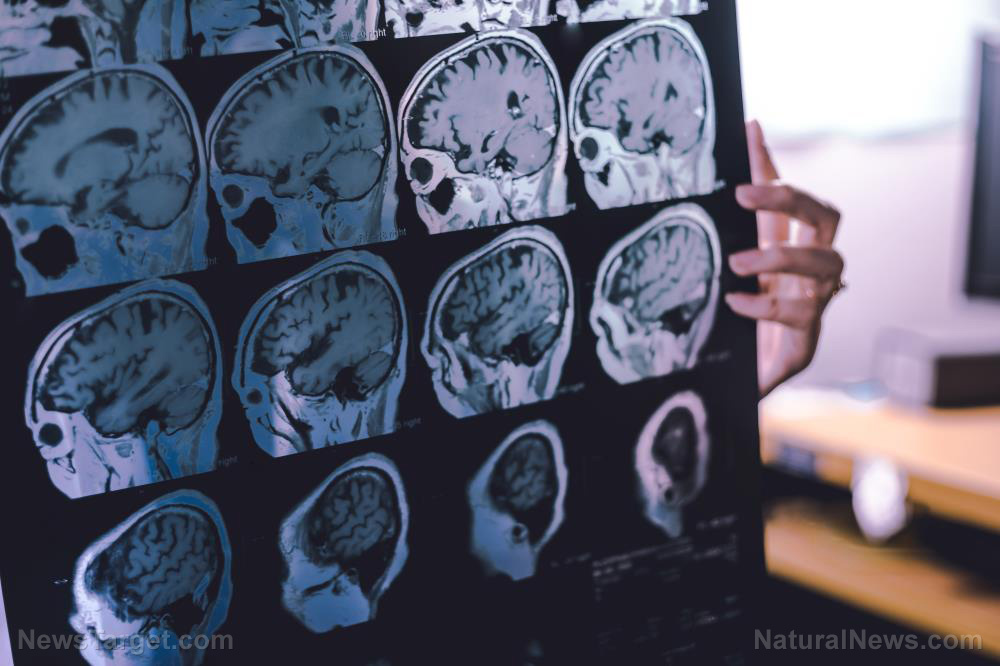
Fiber nourishes the gut microbiome, protecting the blood and fortifying the brain against crippling dementia
01/22/2026 / By Lance D Johnson
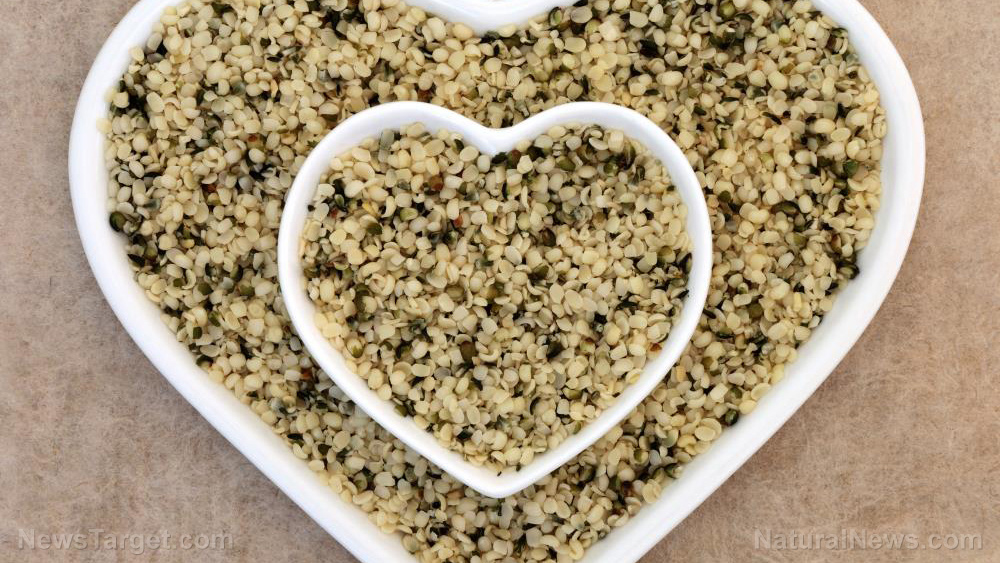
Forget the complicated regimens and the expensive pills for a moment. Imagine a powerful defender of your mind, not housed in a prescription bottle but found in the humble aisles of your grocery store. A growing body of compelling research is converging on a startlingly simple thesis: the food on your fork, specifically the fiber you consume, may be one of the most potent, underutilized weapons in the modern fight against cognitive decline. As global dementia rates cast a long shadow, a landmark long-term study offers a tangible and hopeful strategy, suggesting that the path to protecting our brains might be paved with the very fibers that nourish our guts. Fiber is critical for the gut microbiome and the strength and diversity of commensal bacteria. These bacteria are a crucial mediator for long term neurological health because they protect the gut wall and the blood from toxins.
Key points:
- A 21-year Japanese study found a direct, inverse relationship between dietary fiber intake and the risk of developing disabling dementia, with the highest fiber consumers seeing a 26% reduction in risk.
- The benefits appear particularly strong with soluble fiber, a type found in foods like oats, beans, and some fruits, which may play a special role in modulating the gut-brain axis.
- Despite clear recommendations, a staggering 95% of Americans fail to consume adequate daily fiber, missing out on its systemic benefits for heart, gut, and cognitive health.
- The mechanism hinges on the gut microbiome, where fiber feeds beneficial bacteria that produce compounds which strengthen the gut lining and reduce systemic inflammation, thereby protecting the brain.
Fiber intake prevents dementia in Japanese study
The study, published in the journal Nutritional Neuroscience, followed nearly 3,700 Japanese adults for over two decades. Researchers meticulously tracked dietary habits and later-life health outcomes, revealing a clear pattern. Participants were divided into four groups based on their daily fiber consumption. When compared to the group with the lowest intake, those who consumed the most fiber demonstrated a significantly lower likelihood of developing dementia severe enough to require care. The results painted a compelling picture of incremental benefit, with risk dropping steadily as fiber intake climbed. This work adds substantial weight to a familiar, yet often ignored, medical adage: what is good for the heart is good for the head. The cardiovascular benefits of fiber, such as managing cholesterol and blood pressure, have long been celebrated, but this research directs our attention upward, to the cranial vault the heart supplies.
To understand why this works, one must journey into the hidden universe of the human gut. The gut microbiome, a vast ecosystem of trillions of bacteria, is not a passive digestive tool. It is an active, communicating organ. Dietary fiber, which human enzymes cannot break down, serves as the primary fuel for the commensal, or beneficial, bacteria residing in our intestines. Think of these bacteria as a thriving garden; fiber is the nutrient-rich soil and sunshine that allows them to flourish. When these good bacteria are well-fed, they repay the host in critical ways. They ferment soluble fiber into short-chain fatty acids, powerful compounds that perform a kind of cellular diplomacy. These fatty acids help maintain the integrity of the gut wall, acting as both mortar and sentry. They strengthen the tight junctions between cells, preventing unwanted toxins and inflammatory particles from leaking into the bloodstream—a phenomenon sometimes called “leaky gut”—while simultaneously reducing whole-body inflammation.
The gut-brain axis: a biological superhighway
This is where the brain enters the conversation. The gut and the brain are in constant, intimate communication via the gut-brain axis, a network of neural, hormonal, and immunological pathways. Chronic systemic inflammation, often fueled by a poor diet and a troubled microbiome, is a known contributor to neurodegenerative diseases. By fostering a healthy, diverse bacterial community and fortifying the gut barrier, a high-fiber diet effectively lowers the volume of inflammatory signals traveling to the brain. It creates a calmer, more protective internal environment. The Japanese study’s finding that soluble fiber was particularly effective makes biological sense, as it is the preferred food for bacteria that produce these beneficial anti-inflammatory compounds. This research provides a mechanistic clue, showing that the association between fiber and dementia was most evident in cases not linked to stroke, pointing toward a protection pathway rooted in metabolic and inflammatory health rather than just vascular mechanics.
Historically, dietary advice has often been a pendulum swing of extremes, from fat-phobic decades to more recent carbohydrate anxieties. The demonization of all carbohydrates has unfortunately swept essential, complex fibers into the same category as simple sugars, creating widespread nutritional confusion. The current findings call for a renaissance of appreciation for quality carbohydrates. They remind us that while fads fade, consistent, evidence-based nutrition—centered on whole foods—provides enduring defense. The study’s participants in the highest fiber group were consuming amounts close to, yet still often below, the American recommendations of 25 grams for women and 38 grams for men, highlighting a global gap between knowledge and practice.
Sources include:
Submit a correction >>
Tagged Under:
brain health, cognitive decline, cognitive function, dementia, dietary fiber, food science, gut microbiome, gut-brain axis, health science, healthy aging, inflammation, longevity, microbiome health, neurodegenerative disease, nutrition science, prevention, soluble fiber, wellness
This article may contain statements that reflect the opinion of the author
RECENT NEWS & ARTICLES