The Health Freedom Revolution: A rallying cry for natural medicine and personal sovereignty
02/26/2026 / By Belle Carter
- The Flexner Report (1910), funded by Rockefeller interests, systematically dismantled holistic medicine in favor of pharmaceutical dominance, establishing a profit-driven medical monopoly.
- The FDA and Big Tech actively suppress natural remedies (e.g., raids on herbal supplement companies, censorship of ivermectin/vitamin D during COVID-19) while promoting Big Pharma’s ineffective or dangerous drugs (e.g., remdesivir).
- Agencies like the WHO and tech platforms silence peer-reviewed science on natural treatments (e.g., turmeric’s anti-cancer properties) while pushing pharmaceutical propaganda – proving censorship is systemic, not accidental.
- Key court cases (Pearson v. Shalala, Loper Bright v. Raimondo) have weakened FDA overreach, while “health freedom zones” in states like Texas and Idaho nullify federal mandates, protecting access to natural therapies.
- The book provides actionable solutions: Nutrition as medicine – Addressing deficiencies Big Pharma ignores. Superfoods/herbs – Turmeric, berberine and elderberry outperform synthetic drugs safely. Community resilience – Local herbalists and seed-sharing networks decentralize power from corporate-controlled healthcare.
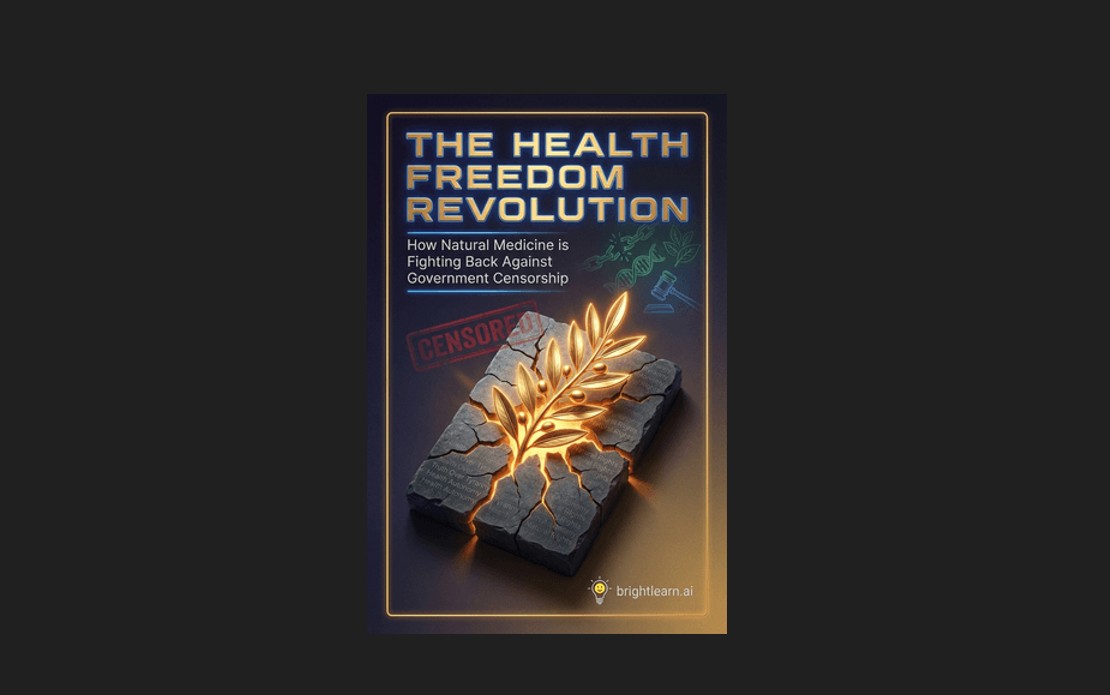
In “The Health Freedom Revolution: How Natural Medicine is Fighting Back Against Government Censorship,” the authors deliver a passionate, meticulously researched manifesto against the systemic suppression of natural health solutions. This book is not just an exposé—it’s a battle plan for reclaiming autonomy over our bodies, our medicine and our future.
The book opens with a sobering historical account of how natural medicine, once the cornerstone of human wellness, was deliberately sidelined by corporate and governmental forces. The Flexner Report of 1910, bankrolled by Rockefeller interests, is revealed as the turning point that decimated holistic medical education in favor of a pharmaceutical-dominated model. The authors argue that this wasn’t just about standardizing medicine—it was about monopolizing it.
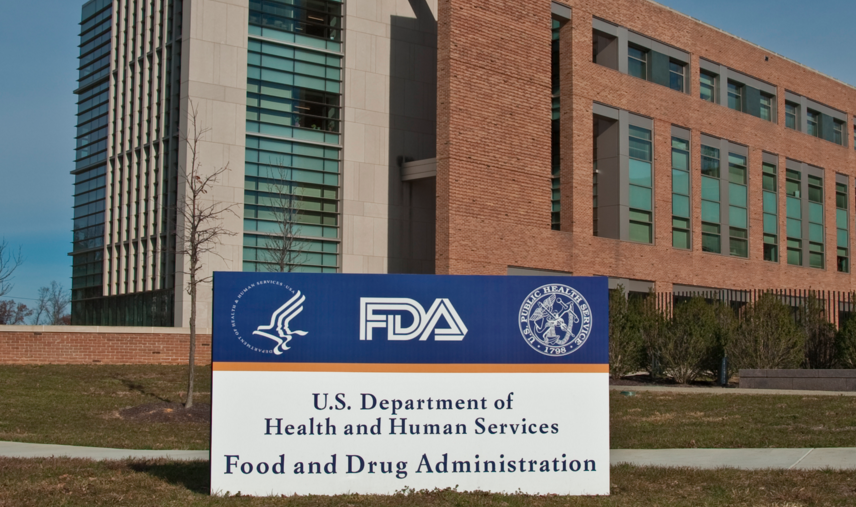
From Food and Drug Administration (FDA) raids on supplement companies to Big Tech censorship of herbal remedies, the book meticulously documents how regulatory agencies collude with pharmaceutical giants to suppress alternatives. One particularly damning case study details how the FDA seized Charantea herbal tea, used for centuries to support blood sugar balance, simply because its benefits threatened the diabetes drug industry.
The weaponization of misinformation
One of the book’s most compelling sections dissects how the term “misinformation” has been weaponized to silence dissent. During the Wuhan coronavirus (COVID-19), doctors advocating for ivermectin or vitamin D were deplatformed, while Big Pharma’s remdesivir, despite its questionable efficacy, was fast-tracked. The authors highlight the Orwellian nature of agencies like the World Health Organization (WHO), labeling anything they don’t approve as “misinformation,” even when backed by peer-reviewed science.
The censorship extends beyond government. Big Tech algorithms bury natural health content while promoting pharmaceutical solutions. The authors cite studies showing YouTube suppressing videos on turmeric’s anti-cancer properties while boosting chemotherapy ads. This isn’t accidental – it’s systemic.
Legal victories and the path forward
Hope isn’t lost. The book celebrates landmark legal wins, such as Pearson v. Shalala (1999), which affirmed that the First Amendment protects truthful health claims about supplements. More recently, the overturning of Chevron deference in Loper Bright Enterprises v. Raimondo (2024) stripped federal agencies of their unchecked power to interpret laws arbitrarily—a major blow to FDA overreach.
The authors also champion state-level “health freedom zones,” where local governments nullify federal mandates, allowing access to natural treatments without fear of persecution. States like Texas and Idaho are already leading the charge.
Reclaiming health through nature
Beyond politics, the book is a practical guide to rebuilding health sovereignty. It emphasizes:
- Nutrition as medicine – How chronic diseases stem from deficiencies that pharmaceuticals can’t fix.
- Superfoods and herbs – Turmeric, berberine and elderberry outperform synthetic drugs without side effects.
- Community resilience – From seed-sharing networks to local herbalists, decentralized health systems are the antidote to corporate control.
“The Health Freedom Revolution” is more than a book – it’s a rallying cry. The authors don’t just diagnose the problem; they provide actionable solutions. Whether you’re a skeptic of Big Pharma, a victim of medical censorship or simply someone seeking truth, this book arms you with the knowledge to fight back.
In an era where governments and tech giants dictate what we can say—and even what we can put in our bodies – this book is essential reading. The revolution starts here.
Get a copy of “The Health Freedom Revolution: How Natural Medicine is Fighting Back Against Government Censorship” via this link. Read, share and download thousands of books for free at Books.BrightLearn.AI. You can also create your own books for free at BrightLearn.AI.
Watch the video below, where Health Ranger Mike Adams interviews Jonathan Emord and Rob Verkerk on the economic and health implications of FDA censorship.
This video is from the Health Ranger Report channel on Brighteon.com.
Sources include:
Submit a correction >>
Tagged Under:
#nutrition, awakening, big government, Big Pharma, Big Tech, Censorship, FDA, food is medicine, health freedom, herbal remedies, Herbs, misinformation, natural health, natural medicine, Orwellian, pharmaceutical fraud, sovereignty, Suppressed, WHO
This article may contain statements that reflect the opinion of the author
RECENT NEWS & ARTICLES