It’s not your screen: Experts say indoor lighting is the bigger threat to your eyesight
02/27/2026 / By Cassie B.
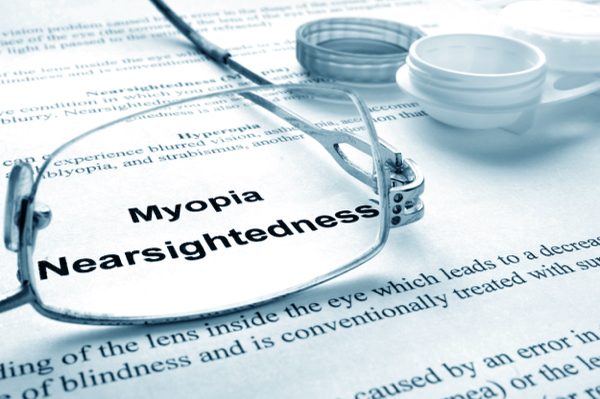
- A new study suggests dim indoor lighting, not screens themselves, may be the key driver of the global myopia epidemic.
- The theory proposes insufficient light during close-up work signals the eye to elongate, causing nearsightedness.
- Bright outdoor light provides enough retinal stimulation to support healthy eye development and counter this effect.
- This reframes the crisis, shifting focus from screen time to the importance of environmental brightness.
- Increasing indoor light during reading or device use could be a simple, low-cost preventive strategy.
A silent epidemic is reshaping human vision, and the culprit may be hiding in plain sight within our dimly lit homes and offices. For years, the global surge in nearsightedness, or myopia, has been conveniently blamed on smartphones and computer screens. But groundbreaking new research suggests we may have been pointing fingers at the wrong target. A study from the State University of New York College of Optometry proposes a more fundamental cause: the dim indoor environments where we increasingly live, work, and read. This research reframes a major public health crisis and offers a surprisingly simple potential intervention that challenges conventional wisdom.
Myopia rates are skyrocketing globally, with nearly half the world’s population projected to be affected by 2050 according to the World Health Organization. In parts of East Asia, close to 90 percent of young adults are now nearsighted. This rapid increase over just a few generations signals a powerful environmental influence, as genetics alone cannot explain such a dramatic shift. The condition occurs when the eyeball grows too long, causing light to focus in front of the retina instead of directly on it, blurring distant vision.
A new hypothesis emerges
The SUNY study, published in the journal Cell Reports, introduces a testable hypothesis that connects disparate observations about myopia. Primary investigator Urusha Maharjan, a doctoral student, explains the core mechanism. “In bright outdoor light, the pupil constricts to protect the eye while still allowing ample light to reach the retina,” she said. “When people focus on close objects indoors, such as phones, tablets or books, the pupil can also constrict, not because of brightness, but to sharpen the image. In dim lighting, this combination may significantly reduce retinal illumination.”
The theory suggests that when the retina is deprived of sufficient light during extended periods of close-up work, it may send a biological signal for the eye to elongate. In a dim setting, a narrowed pupil allows such little light through that retinal activity may not be strong enough to signal the eye to stop growing. Conversely, bright outdoor light provides such intense illumination that even a constricted pupil delivers a robust signal to the retina, supporting healthy eye development.
Connecting the dots on causes and cures
This hypothesis elegantly ties together previously unexplained patterns. It offers a single physiological explanation for why varied factors, from prolonged reading and negative lenses to treatments like atropine drops and multifocal contacts, all influence myopia progression. The common thread is their effect on the amount of light stimulating the retina during near-focus tasks. The study found that negative lenses, often used in research to induce myopia, decrease retinal illumination by causing the pupil to narrow as the eye strains to focus. This effect is magnified in dim conditions.
The implications are profound for prevention. The research indicates that any treatment strategy, from special lenses to pharmaceutical drops, may be less effective if individuals continue long sessions of close-up work in poorly lit rooms. The simple act of increasing indoor brightness during reading or screen time could become a foundational, low-cost tactic to slow eye elongation. This places a new emphasis on environmental design and personal habit over merely blaming technology.
Senior author Jose-Manuel Alonso, a SUNY distinguished professor, cautions that this is a starting point, not a final verdict. “This is not a final answer,” Alonso said. “But the study offers a testable hypothesis that reframes how visual habits, lighting, and eye focusing interact.” The research team acknowledges limitations, including a small subject group, but their work provides a fresh, physiology-based framework for future investigation.
For decades, public health messaging has focused on limiting screen time to protect vision. While excessive device use remains a concern, this study suggests the environment in which we use them is paramount. It shifts the narrative from a moral panic about technology to a practical discussion about light exposure, a factor humans have manipulated since the invention of the electric bulb. Our modern lifestyle has steadily pulled us into dimmer indoor spaces for longer periods, a change that may now be manifesting in the very structure of our eyes.
Ultimately, this research empowers individuals with a straightforward piece of the puzzle. While big institutions debate solutions, you can take direct action today. The study implies that turning on a lamp, opening a blind, or simply being mindful of your visual environment could be a meaningful step toward preserving vision. In a world racing toward a myopic future, the simplest fix might be to just turn on the lights.
Sources for this article include:
Submit a correction >>
Tagged Under:
Dangerous, discoveries, environment, eye health, indoor light, light, men's health, myopia, nearsightedness, outdoor light, real investigations, research, screen time, vision, women's health
This article may contain statements that reflect the opinion of the author
RECENT NEWS & ARTICLES