The incomparable herb: Holy Basil’s ancient roots meet modern science
03/20/2026 / By Willow Tohi
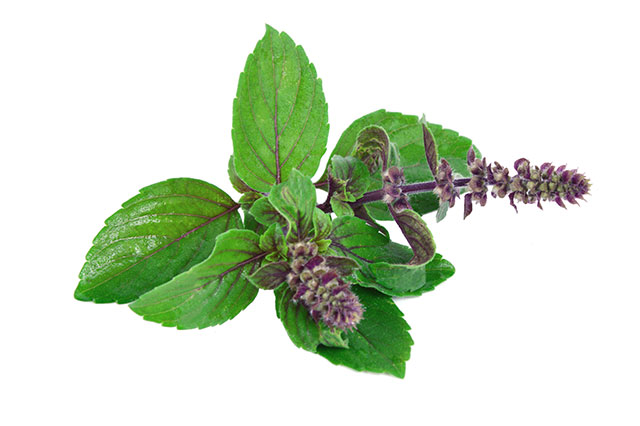
- Holy basil, or tulsi, is an ancient medicinal herb gaining modern scientific attention for its wide-ranging health benefits.
- Its adaptogenic properties help the body manage stress, while compounds like eugenol combat inflammation and support metabolic health.
- Research indicates tulsi can regulate blood sugar, improve cholesterol, enhance cognitive function and support stomach health.
- Emerging evidence points to its potential in dissolving kidney stones and offering protection against certain cancers.
- While generally safe, experts advise consulting a healthcare provider before using concentrated supplements, especially for those on medications.
For centuries, revered in Hindu tradition as the “incomparable one,” the humble holy basil plant, or tulsi, has been a cornerstone of Ayurvedic medicine. Today, this aromatic herb is stepping out of the sacred garden and into the spotlight of global scientific inquiry. Researchers are now validating what ancient practitioners long claimed: that Ocimum sanctum possesses a remarkable spectrum of medicinal properties, offering potential benefits for conditions ranging from everyday stress to chronic metabolic disorders and even kidney stones.
A botanical powerhouse: More than just culinary basil
Distinct from the sweet basil found in Italian kitchens, holy basil has a peppery, clove-like flavor and a legacy steeped in healing. While it can be used in cooking, it is primarily sought for its therapeutic compounds. Available as fresh or dried leaves, tea, capsules, or tinctures, tulsi’s leaves, stem, seed and oil are utilized. Modern science attributes its effects to a suite of bioactive components, including eugenol, linolenic acid and various antioxidants, which together create its multifaceted health profile.
Combatting modern maladies: From stress to blood sugar
The herb is classified as an adaptogen, meaning it helps the body maintain balance and resist the negative effects of stress, whether chemical, physical, or emotional. This foundational benefit supports broader systemic health. Notably, studies indicate tulsi can improve blood sugar regulation by up to 24 percent, offering significant support for individuals with prediabetes or Type 2 diabetes and helping to prevent related symptoms like insulin resistance and weight gain. Furthermore, the compound eugenol targets metabolic stress, leading to a notable decrease in “bad” LDL cholesterol while boosting “good” HDL levels.
Protecting the brain, gut and joints
The benefits extend into cognitive and physical wellness. Tulsi has been found to enhance memory and attention by inhibiting an enzyme linked to neurodegeneration and may help protect the integrity of the blood-brain barrier. For digestive health, it serves as a natural aid for peptic ulcers, reducing stomach acid while promoting protective mucus secretion without the side effects of some pharmaceuticals. Its potent anti-inflammatory and analgesic properties also provide significant relief for those suffering from arthritis and fibromyalgia, easing joint pain and improving quality of life.
Emerging frontiers: Kidney stones and cancer prevention
Beyond these well-documented effects, traditional use and emerging research point to even broader applications. Tulsi acts as a detoxifier and diuretic, and the acetic acid within it may help break down kidney stones, cleanse the kidneys and reduce associated pain—a use highlighted in centuries-old practices now being re-examined. Simultaneously, laboratory and animal studies suggest holy basil’s antioxidant compounds may offer protection against certain cancers, including skin, lung, breast and oral cancers, by shielding cells from chemical and radiation-induced damage and inhibiting tumor growth.
A note of prudence in an age of natural healing
As with any potent substance, informed use is crucial. Registered dietitians and medical experts note that while consuming holy basil in its natural form—as tea or a fresh herb—is generally safe for most people, concentrated supplements require caution. The herb may lower blood sugar and slow blood clotting, posing risks for those on diabetes or anticoagulant medications. It is not recommended for those who are pregnant, lactating, or trying to conceive. The consistent professional advice is clear: consult a healthcare provider before adding any new supplement to your regimen.
An enduring legacy for contemporary wellness
The growing Western interest in tulsi is a testament to a broader shift toward integrative health, where time-honored botanical wisdom is rigorously tested by modern science. From its role in managing the pervasive stress of modern life to its potential in addressing complex chronic diseases, holy basil exemplifies the concept of food as medicine. Its journey from ancient sacred groves to contemporary research labs underscores a timeless truth: some of the most powerful remedies have been quietly growing beside us all along, waiting for their full potential to be understood.
Sources for this article include:
Submit a correction >>
Tagged Under:
alternative medicine, antioxidant, brain function, brain health, Cures, healing, health science, heart health, herbal medicine, Herbs, holy basil, kidney stones, metabolic health, natural health, natural medicine, Naturopathy, plant medicine, remedies, Tulsi
This article may contain statements that reflect the opinion of the author
RECENT NEWS & ARTICLES