Religious freedom claims could reshape vaccine mandate law as Supreme Court cases advance
06/04/2026 / By Willow Tohi

- Anti-vaccine groups have spent nearly $50 million on legal fees since 2016, targeting religious exemption cases
- Supreme Court signaled openness to religious freedom claims in December 2025, sending an Amish family’s case back to lower court
- Five states—New York, California, Connecticut, Maine and West Virginia—currently lack religious exemptions for vaccine mandates
- Measles vaccination rates have fallen sharply since the pandemic, with only a quarter of U.S. counties reaching herd immunity
- Legal experts warn a Supreme Court victory for religious exemptions could create a de facto opt-out system nationwide which health freedom advocates say is necessary for true liberty to exist
A quiet legal war could change vaccine policy for generations
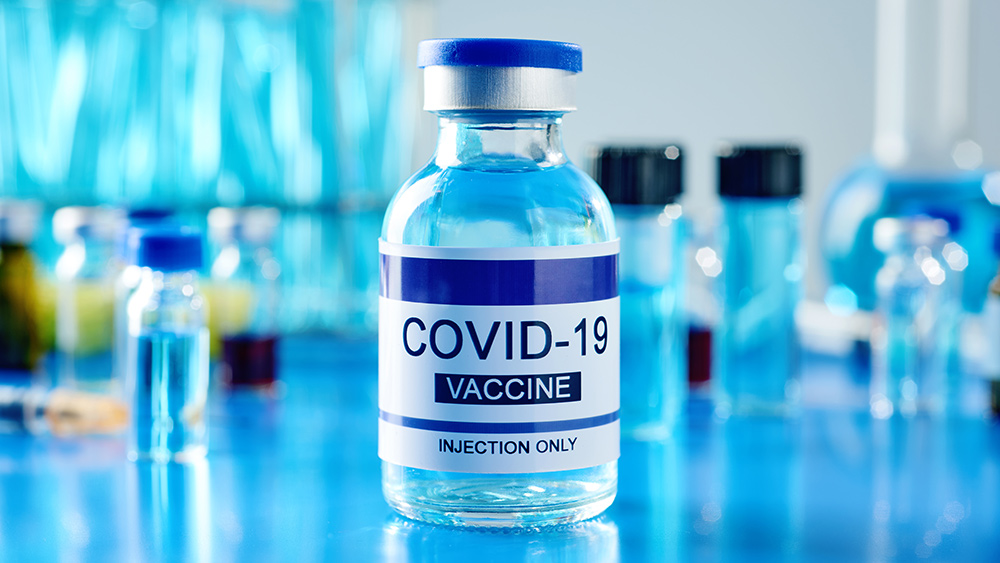
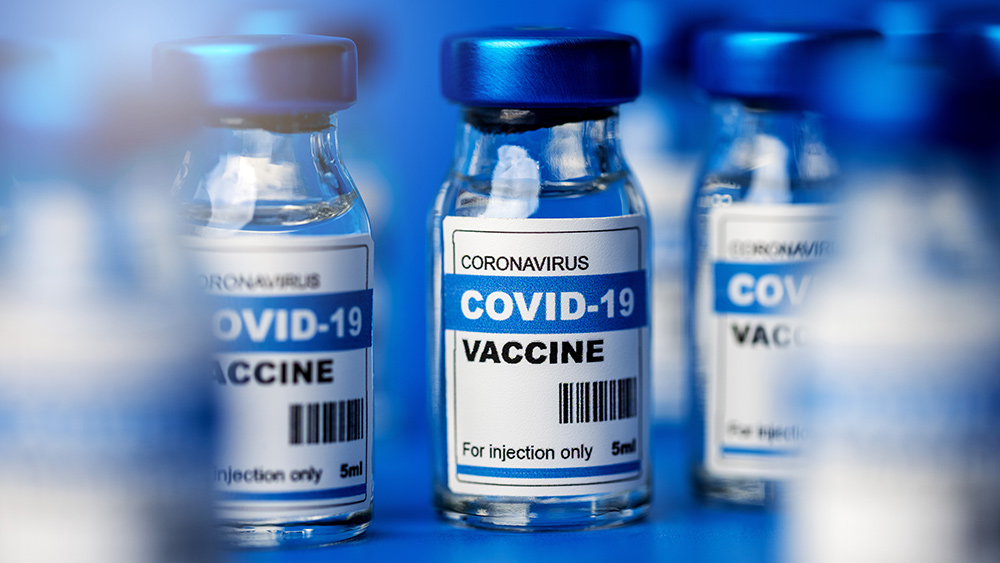
While the Make America Healthy Again movement has faced legislative setbacks and Health Secretary Robert F. Kennedy Jr. has tempered his public stance on vaccines amid declining poll numbers, a coordinated legal strategy advancing through federal courts could deliver what activists have sought for decades: a national religious exemption from vaccine mandates.
Children’s Health Defense and Informed Consent Action Network, two groups with close ties to Kennedy, have poured nearly $50 million into litigation since 2016, according to tax records analyzed by The Washington Post. Their target is not vaccines themselves but the legal architecture that allows states to compel immunization.
First Amendment arguments gain judicial traction
The legal strategy hinges on a straightforward constitutional argument: requiring vaccination without a religious exemption violates the First Amendment’s Free Exercise Clause. The Supreme Court signaled receptivity to this position in December when it ordered a lower court to reconsider a case brought by Amish parents in New York, one of five states that do not allow religious exemptions.
Mary Holland, who leads Children’s Health Defense, told supporters in March that multiple cases are moving toward the high court from different jurisdictions, setting the stage for what she called a “legal reckoning.” Legal scholars note the court has prioritized religious liberty in recent years, including pandemic-era rulings that struck down attendance restrictions on churches.
Historical precedent at stake
The Constitution’s framers established the First Amendment in 1791, but the Supreme Court did not address vaccine mandates until 1905. In Jacobson v. Massachusetts, the court upheld a smallpox vaccination requirement as a legitimate exercise of state police powers. That precedent has stood for 120 years, though some legal challenges have sought to overturn it.
Critics argue the 1905 ruling emerged from a different era, before modern understandings of bodily autonomy and religious liberty. Supporters counter that Jacobson has served as a public health cornerstone. The current litigation does not directly challenge Jacobson but could effectively weaken its application by carving out broad religious exceptions.
Public health implications and measles resurgence
Public health officials express alarm at the potential consequences. Measles vaccination rates among kindergartners have fallen below herd immunity thresholds in more than 70% of U.S. counties since the pandemic, according to previous reporting. Numerous outbreaks have been documented.
Lawrence Gostin, a Georgetown University professor who directs the World Health Organization’s Collaborating Center on National and Global Health Law, described a potential court victory for religious exemptions as “the worst nightmare for public health.” He warned that schools and governments may stop scrutinizing exemption requests, fearing litigation.
A crossroads for medical autonomy
The legal path ahead remains uncertain. The Second Circuit Court of Appeals must now reconsider the New York case in light of the Supreme Court’s instructions. If that court still rejects a religious exemption, the high court could intervene again. Separate cases in West Virginia and California add pressure points. No other developed nation requires as many vaccines as in America, and mandates are not as strict, yet vaccination uptake remains high. Most agree that bodily autonomy is central to liberty, and that personal medical decisions should be made between a person and their healthcare provider.
For those who view vaccine mandates as violations of bodily autonomy and informed consent, the stakes extend beyond childhood immunization. The outcome could establish whether the 1905 precedent survives or whether a new legal framework emerges that prioritizes religious and medical choice over collective public health requirements. The decision, whenever it comes, will shape American health policy for generations.
Sources for this article include:
Submit a correction >>
Tagged Under:
big government, bodily autonomy, First Amendment, freedom, health freedom, informed consent, Liberty, medical fascism, Medical Tyranny, progress, Public Health, religious freedom, Supreme Court, vaccine wars, vaccines
This article may contain statements that reflect the opinion of the author
RECENT NEWS & ARTICLES