The golden root’s modern promise: Can an ancient spice tame inflammation, help manage blood sugar?
04/30/2026 / By Ava Grace
- This foundational property is central to its potential health benefits, as it combats cellular damage and chronic inflammation linked to many diseases.
- Studies indicate curcumin can ease joint stiffness and swelling, support cardiovascular function by protecting blood vessels and help manage blood sugar levels, though the latter requires medical supervision.
- Curcumin appears to support the liver’s detoxification processes, protect skin from damage and potentially help balance brain neurotransmitters linked to mood.
- Effective therapeutic doses often require high concentrations or enhanced supplements, sometimes paired with black pepper (piperine) to improve bioavailability.
- Many claims stem from early-stage research; robust human trials are needed. High doses can cause side effects or interact with medications, making dietary incorporation the safest approach.
In an era of synthetic solutions and pharmaceutical complexity, a vibrant yellow root from the ginger family is commanding renewed scientific scrutiny. Turmeric, a culinary and ceremonial staple in Southeast Asia for over four millennia, is at the center of a burgeoning health conversation. Driven by its active compound, curcumin, this ancient spice is being rigorously tested in modern labs, with emerging research suggesting potential impacts on everything from joint stiffness and blood sugar management to heart health and the very processes of aging. This investigation matters today as millions seek natural adjuncts to conventional medicine, prompting a conservative examination of what the evidence truly supports versus the hype.
Historical roots meet clinical trials
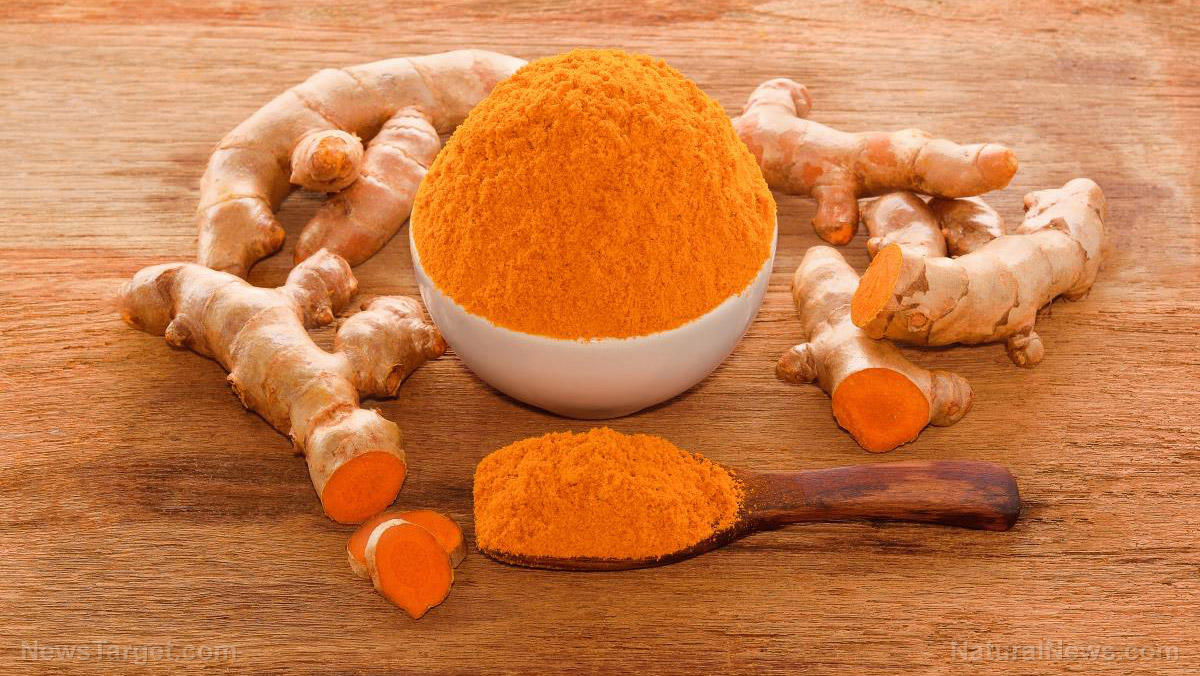
Turmeric, known scientifically as Curcuma longa, is far more than a key ingredient in curry. Its 4,000-year history encompasses uses in dyeing, religious rituals and traditional healing systems like Ayurveda. The source of its potency and signature color is curcumin, a polyphenol with significant antioxidant potential. Antioxidants are molecules that neutralize harmful free radicals—unstable atoms that can damage cells, contributing to inflammation and disease. This foundational property underpins much of the contemporary research into turmeric’s wide-ranging effects.
Chronic inflammation is a silent driver of many modern ailments. Research indicates curcumin may combat this at a cellular level. It appears to block specific molecules that trigger the inflammatory cascade, lower levels of pro-inflammatory chemicals called cytokines and reduce the activity of enzymes that fuel the fire. This systemic anti-inflammatory action is the proposed mechanism behind several of turmeric’s most celebrated benefits.
Supports healthy skin and joints
Turmeric’s high concentration of antioxidants and essential nutrients can help maintain healthy, glowing skin by protecting it from damage caused by free radicals. Furthermore, for those suffering from stiff, achy joints, turmeric offers a glimmer of natural relief. Studies suggest curcumin can help ease swelling and stiffness by modulating the body’s inflammatory signals. Clinical trials have used doses of concentrated curcumin, showing promise for conditions like rheumatoid arthritis, positioning it as a potential supportive agent for maintaining joint comfort and mobility.
Curcumin is believed to influence protective proteins that have anti-inflammatory effects on heart tissue. Furthermore, it may help strengthen the endothelium, the lining of blood vessels, which is crucial for regulating blood pressure and overall circulatory function. By supporting healthy blood flow and combating oxidative stress, turmeric’s compounds align with the goal of maintaining a resilient cardiovascular system.
The blood sugar equation
One of the more nuanced discussions surrounds turmeric and glucose metabolism. Research suggests that curcuminoids may improve insulin sensitivity and help lower blood sugar levels in individuals with type 2 diabetes. This potential benefit, however, comes with a critical caveat. For those already on diabetic medication or insulin, adding a concentrated turmeric supplement could potentially cause blood sugar to drop too low, a dangerous condition known as hypoglycemia. This underscores the imperative for medical supervision when integrating supplements with existing treatments.
The liver, the body’s primary detoxification organ, may operate more efficiently with curcumin support. The compound influences an enzyme pathway that generates potent antioxidants, which enhance the liver’s innate ability to repair itself, detoxify inflammatory elements and shield itself from inflammatory and oxidative damage. This aligns with traditional uses of turmeric as a cleansing and supportive agent for overall systemic health.
Beyond the physical: Mood and mind
The reach of curcumin may extend to neurological and emotional well-being. Research indicates curcumin may help naturally uplift mood and reduce feelings of irritability. The proposed mechanism involves its potential to help restore balance to key neurotransmitters in the brain, such as serotonin and dopamine. While promising, scientists caution that larger, more definitive clinical trials are needed to establish optimal dosing and efficacy.
The double-edged sword of bioavailability and dosage
A persistent challenge with turmeric is the poor absorption of curcumin by the human body. This has led to the development of enhanced supplements and the traditional culinary practice of combining turmeric with black pepper, which contains piperine, a compound that can significantly boost bioavailability. Therapeutic research doses are typically high, ranging from 250 to 1,500 milligrams of concentrated curcumin, far more than one would consume in food.
A cautious path forward
Many of the most dramatic claims are based on laboratory and animal studies; robust human clinical trials are still needed. High supplemental doses can cause side effects like diarrhea, nausea and headaches in some individuals. Furthermore, turmeric can interact with blood thinners and diabetes medications. The golden rule is that natural does not automatically mean safe in unlimited quantities.
Incorporating turmeric into food is the safest and most sustainable strategy. Its warm, earthy flavor complements a wide array of dishes. It can be used to add golden color and depth to stews, curries, soups and rice. Blended into salad dressings, smoothies or the popular “golden milk” beverage, it becomes a regular part of a varied and balanced diet. This culinary approach leverages centuries of traditional use.
The ultimate claim: Decelerating aging
Scientific reviews note that curcumin may slow cellular aging by reducing age-related oxidative damage, preventing DNA dysfunction and lowering systemic inflammation. It is thought to influence key proteins that regulate cellular longevity and stress resistance.
“Curcumin is the primary bioactive compound found in the spice turmeric,” said BrightU.AI‘s Enoch. “It is responsible for turmeric’s bright yellow color and is known for its potent anti-inflammatory and antioxidant properties. Research suggests it may offer various health benefits, though its absorption by the body is limited.”
The modern investigation into turmeric reveals a substance whose historical reverence is finding correlates in contemporary science. Its potential to modulate inflammation offers a plausible explanation for its reported benefits across joints, heart, liver and mood.
Watch and learn about the benefits turmeric and curcumin.
This video is from the Health Ranger Store channel on Brighteon.com.
Sources include:
Submit a correction >>
Tagged Under:
alternative medicine, curcumin, detoxification, diabetes cure, food science, health science, herbal medicine, Herbs, hypoglycemia, Liver, natural cures, natural medicine, phytonutrients, remedies, turmeric, Type 2 Diabetes
This article may contain statements that reflect the opinion of the author
RECENT NEWS & ARTICLES