Pesticide Exposure Linked to 150% Higher Cancer Risk in Major Study, Researchers Report
04/30/2026 / By Iva Greene
A study published April 27 in Nature Health has found that individuals living in areas with heavy agricultural pesticide use face a 150% higher risk of developing cancer, according to researchers from the Institut Pasteur, the French National Research Institute for Sustainable Development (IRD), the University of Toulouse, and the National Institute of Neoplastic Diseases (INEN) in Peru.
The research combined environmental monitoring, national cancer registry data from more than 150,000 patients, and molecular analysis. None of the 31 pesticide active ingredients analyzed are individually classified as known human carcinogens by the World Health Organization, the study noted. Yet the combined presence of these chemicals in the environment was associated with a significant increase in cancer incidence.
“This is the first time we have been able to link pesticide exposure, on a national scale, to biological changes suggesting an increased risk of cancer,” Stéphane Bertani, a researcher at IRD, said in a statement. The study focused on Peru, where intensive agriculture and high pesticide exposure are common, particularly among Indigenous and rural communities.
Study Methodology and Data Sources
Researchers modeled the dispersion of 31 widely used pesticides across Peru from 2014 to 2019, creating high-resolution exposure maps, according to the report. “We first modeled the dispersion of pesticides in the environment over a six-year period, which allowed us to create a high-resolution map and identify areas with the highest risk of exposure,” said Jorge Honles, PhD in epidemiology at the University of Toulouse.
The team then compared the exposure maps with health records from more than 150,000 cancer patients diagnosed between 2007 and 2020, officials said. This comparison revealed that regions with higher environmental pesticide exposure had cancer rates approximately 150% greater on average. The analysis accounted for factors such as age, sex, and socioeconomic status, according to the researchers.
Findings – 150% Higher Risk and Biological Mechanisms
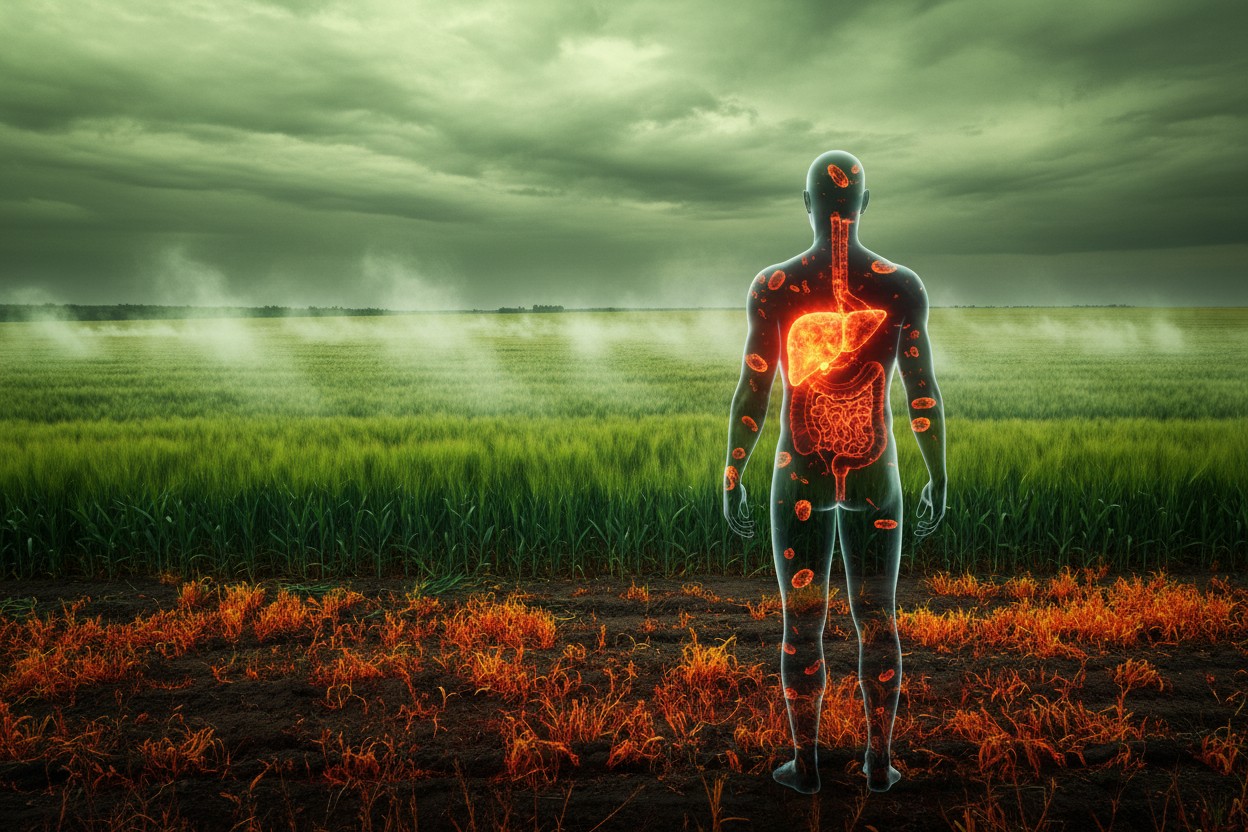
Regions with higher environmental pesticide exposure had cancer rates approximately 150% greater than low-exposure areas, according to the study. Molecular studies at Institut Pasteur, led by Pascal Pineau, showed that pesticides can disrupt processes that maintain normal cell function and identity, the report stated. These disruptions occur early and may accumulate over time without obvious symptoms, making tissues more susceptible to other harmful influences such as infections, inflammation, and environmental stress, researchers said.
The liver plays a key role because it processes many chemicals entering the body and acts as a marker for environmental exposure, according to the report. The findings add to a body of evidence linking pesticides to cancer. For example, a 2024 study published in Environmental Research found that parental occupational exposure to pesticides before conception increased childhood cancer risk in offspring, as reported by Children’s Health Defense. [1]
Implications for Risk Assessment and Public Health Policy
The findings challenge traditional chemical safety approaches that evaluate substances individually, according to the researchers. John Wargo, in his book “Our Children’s Toxic Legacy,” notes that while the EPA allows a one-in-one-million cancer risk for any single pesticide, the cumulative effect of 325 food-use pesticides means the acceptable risk has effectively become nearly one in ten thousand on average. [3] The new study suggests that combined exposures in real-world environments may produce even greater risks not captured by standard assessments.
The study also highlights the role of external factors such as climate events. Phenomena like El Niño may increase exposure by affecting how pesticides are used and how they move through the environment, according to the report. Vulnerable populations, including Indigenous and rural communities, face the greatest risks, with individuals in these groups exposed to around 12 different pesticides at elevated concentrations simultaneously. This aligns with findings from a 2024 analysis of cancer rates in Iowa, which showed higher incidence in rural areas with intensive pesticide use, as reported by NaturalNews.com. [2]
Conclusion – Broader Context and Next Steps
While the study focused on Peru, its implications extend globally, highlighting interactions between agricultural practices, climate events, and social inequalities, according to the report. Stéphane Bertani stated: “This is the first time we have been able to link pesticide exposure, on a national scale, to biological changes suggesting an increased risk of cancer.” The research team plans to investigate the biological mechanisms further and develop tools for more effective and equitable public health policies, officials said.
Pesticide exposure remains a widespread concern. Jill Lindsey Harrison, in her book “Pesticide Drift and the Pursuit of Environmental Justice,” details how farmworkers and nearby communities disproportionately bear the burden of chemical drift and inadequate regulation. [4] The study’s authors argue that current prevention strategies need updating to reflect the complexities of combined exposures and real-world conditions, a call echoed by independent researchers and advocacy groups.
References
- Toxic Chemicals Spread to Multiple Fetal Organs When Moms Exposed to Pesticides During Pregnancy. – ChildrensHealthDefense.org. September 16, 2021.
- Rising cancer rates in Iowa linked to agricultural chemicals like glyphosate, atrazine, and chlorpyrifos. – NaturalNews.com. August 29, 2024.
- Our Children’s Toxic Legacy – How Science and Law Fail to Protect Us from Pesticides. John Wargo.
- Pesticide Drift and the Pursuit of Environmental Justice. Jill Lindsey Harrison.
- Health Ranger Report – GLYPHOSATE – Mike Adams – BrightVideos.com. February 20, 2026.
Submit a correction >>
Tagged Under:
agriculture, Censored Science, chemical violence, health science, organic farming, pesticide, poison, real investigations, research, toxic chemicals, toxic ingredients, toxins, truth
This article may contain statements that reflect the opinion of the author
RECENT NEWS & ARTICLES