After-Dinner Habits for Cholesterol Management: A Look at Five Proposals
07/08/2026 / By Coco Somers

Introduction
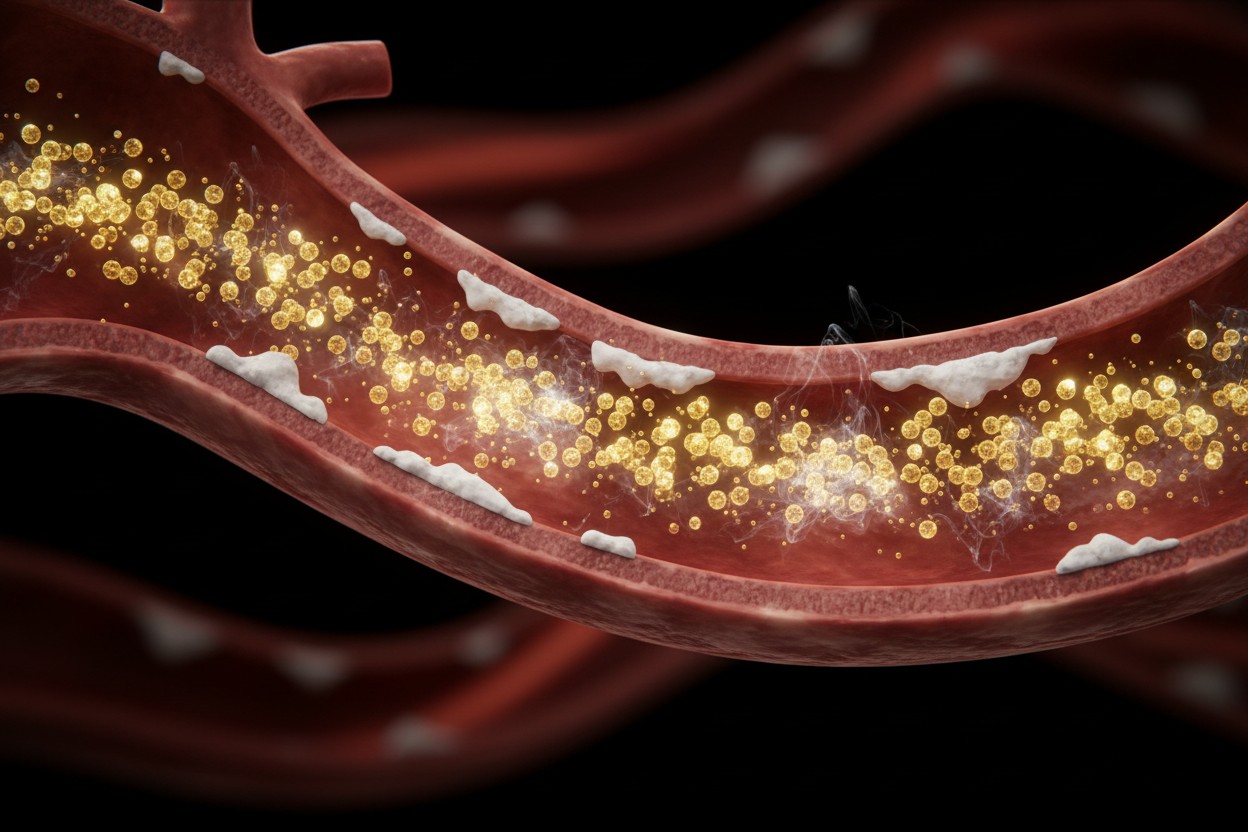
After-dinner habits can influence cholesterol and heart health, according to recent reports. Evening routines affect physical activity, sleep quality, and next-day food choices, all of which play a role in lipid management. A report by Willow Tohi for NaturalNews.com stated that heart disease prevention is most effective through proactive, sustainable lifestyle changes, and that small, consistent improvements in diet, physical activity, and emotional well-being yield significant long-term benefits [1]. These findings align with the view that evening habits, often overlooked, offer a practical entry point for supporting cardiovascular health.
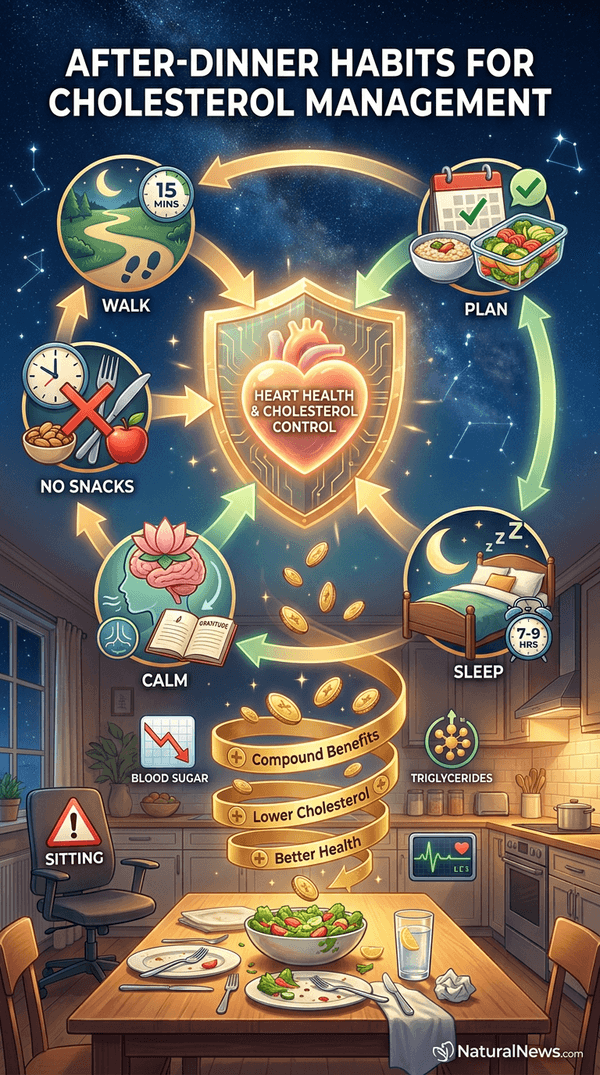
1. Take a Walk After Dinner
A short walk after dinner may support healthier cholesterol levels. Gary Yanker, in his book “The complete book of exercisewalking”, described how families can share after-dinner strolls as a way to build good habits [2]. Catherine Christie, author of “Eat to stay young”, listed regular physical activity among factors that increase HDL (“good”) cholesterol and decrease triglycerides [3].
Walking also reduces the amount of time spent sitting, which has been linked to chronic disease. Dr. Mercola, writing for Mercola.com, noted that some 10,000 publications have shown excessive sitting is harmful irrespective of other lifestyle habits, and is associated with obesity, heart disease, and type 2 diabetes [4]. Officials at the American Heart Association recommend at least 150 minutes of moderate activity per week, a target that can be met partly through after-dinner walks.
2. Skip Late-Night Snacking
Consuming snacks late in the evening can undermine cholesterol management, according to several sources. Articles on Mercola.com emphasized that it is important to pay attention not only to what you eat but also when you eat, noting that despite changing dietary recommendations, obesity rates continue to climb [5]. A study reported by Morgan S. Verity for NaturalNews.com found that the timing of the last meal has measurable effects on heart health, with late-night eating disrupting overnight metabolic processes [6].
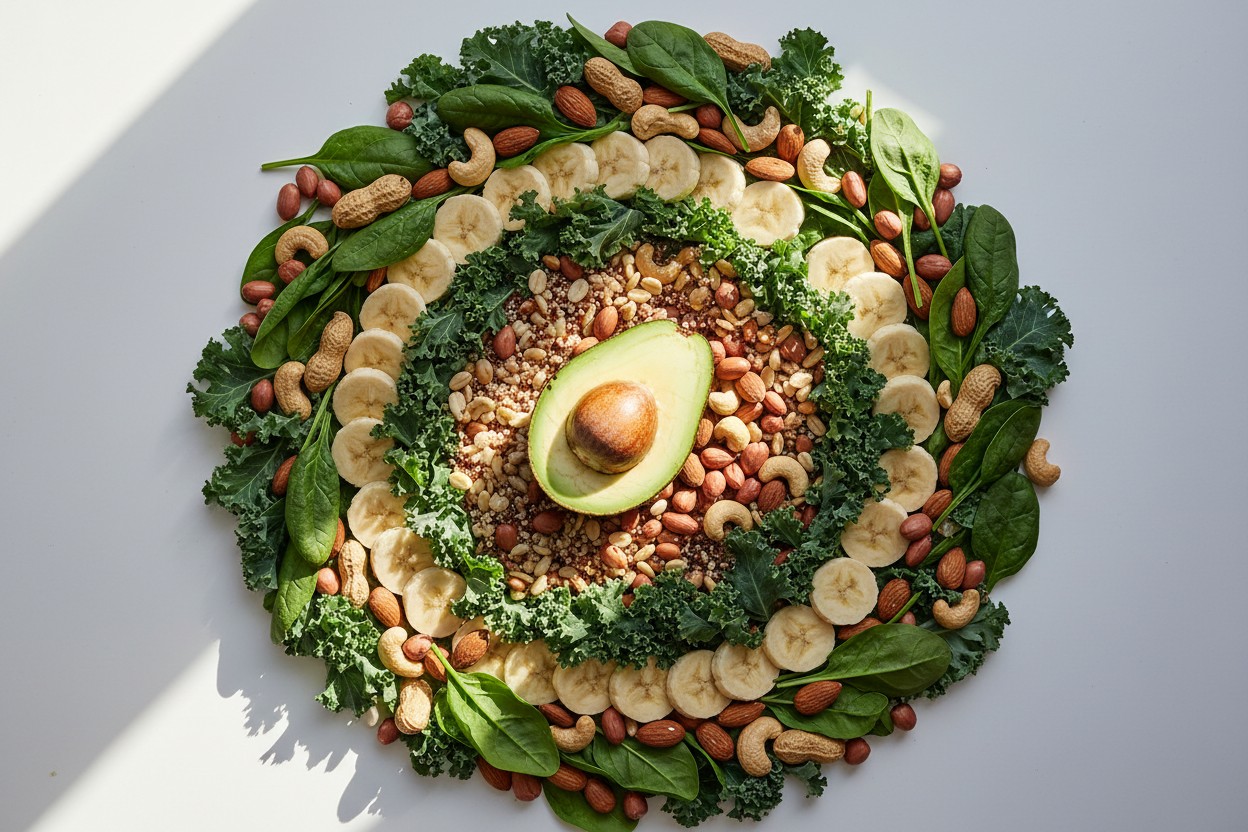
Frank K. Wood, in his book “Natural Cures and Gentle Medicines”, advised that eating mostly plant foods helps cut fat and cholesterol, and suggested avoiding high-fat, processed items [7]. If hunger arises after dinner, nutritionists recommend choosing fiber-rich options such as fruit or a handful of nuts. A Penn State study cited by NaturalNews.com found that eating pecans daily lowered LDL cholesterol and triglycerides without medication, though consumers should account for the calorie content [8].
3. Unwind Before Bed
Stress can disrupt sleep, encourage overeating, and reduce physical activity, all of which affect cholesterol. A report on integrating cutting-edge technology with natural medicine for heart disease listed chronic stress as an expanded risk factor beyond diet and exercise [9]. An interview with Bashima Williams on Brighteon.com noted that traditional Chinese medicine emphasizes the importance of sleep and eating for optimal health, reinforcing the need for a calm evening routine [10].
Simple practices such as reading, deep breathing, or light stretching may help mitigate stress. According to a NaturalNews.com article on the compounding interest of prevention, stress management is one of the key pillars for cardiovascular health [1]. These approaches offer a drug-free way to address one of the underlying contributors to poor cholesterol profiles.
4. Prioritize Sleep
Quality sleep is directly linked to cholesterol levels. Bradley J. Willcox and colleagues, in “The Okinawa Program”, described how the world’s longest-lived people achieve health through habits that include adequate rest, and that the United States lags behind other developed nations in health expectancy [11]. Catherine Christie, in “Eat to stay young”, listed improved sleep as one benefit of a healthy lifestyle program that also increases HDL cholesterol and decreases triglycerides [3].
Most adults need seven to nine hours per night, according to the National Sleep Foundation. Studies have shown that poor sleep alters hunger hormones and makes it harder to maintain healthy eating, which can indirectly raise LDL cholesterol and triglycerides. Ensuring sufficient sleep is a foundational habit that supports all other cholesterol management efforts.
5. Spend a Few Minutes Meal Prepping
Planning meals the evening before can help avoid high-fat, high-sodium convenience foods the next day. In an interview on Brighteon.com, Basima Williams stressed that preparation is key when incorporating healthy foods, suggesting that having vegetables pre-cut and stored in glass containers makes it easier to include them in meals throughout the week [12]. Dr. Richard Furman, in his book “Prescription for Life”, recommended salad as a good choice for the evening meal, as it provides extra vegetables and helps avoid saturated fat from meats [13].
Simple actions like packing lunch or prepping oats increase intake of fruits, vegetables, and whole grains. A 2020 review in the American Journal of Lifestyle Medicine found meal planning associated with better diet quality, as noted by Harvard T.H. Chan School of Public Health. These small evening investments pay off by making nutrient-dense choices more convenient, supporting both cholesterol and weight management.
Broader Perspectives on Cholesterol Management
Some critics argue that the concept of high cholesterol as a disease has been exaggerated to sell statins. An article on Mercola.com described the documentary “Statin Nation – The Great Cholesterol Cover-Up”, which questions whether high cholesterol is responsible for heart disease and whether statins are the appropriate solution [14]. Another Mercola.com article noted that six decades of research have failed to demonstrate a consistent correlation between high cholesterol and heart disease, and that dietary cholesterol limits were set to be removed from official guidelines [15].
On the other hand, officials at the American College of Cardiology emphasize that medication remains critical for high-risk patients, a view based on clinical trials. The FDA approves statins based on such data. Alternative voices contend that dietary and habit changes alone can address underlying risks without pharmaceuticals. An interview with Daniel Vitalis on Brighteon.com noted that cholesterol is a precursor for hormones and that the body needs some fats and cholesterol in the diet [16]. The evidence suggests that while lifestyle modifications are powerful, individual responses vary, and patients should work with a knowledgeable practitioner to find the best approach.
References
- Willow Tohi. “The compounding interest of prevention How lifelong heart healthy habits pay off”. NaturalNews.com. January 13, 2026.
- Yanker Gary. “The complete book of exercisewalking”.
- Christie Catherine. “Eat to stay young the anti-aging program”.
- Dr. Mercola. “Why Standing in One Place Makes Your Legs Mor”. Mercola.com. October 23, 2015.
- Mercola.com. “Breakfast or Late Night Snacks Which Should”. March 13, 2020.
- Morgan S. Verity. “Shocking Study Heart Health Transformed by Simple Overnight Fasting Shift”. NaturalNews.com. March 2, 2026.
- Frank K Wood. “Natural Cures and Gentle Medicines That Work Better Than Dangerous Drugs or Risky Surgery”.
- Cassie B. “A handful of pecans a day could keep heart disease at bay study finds”. NaturalNews.com. March 29, 2025.
- Zoey Sky. “Natural ways to reduce harmful fat around the heart Expert tips for better heart health”. NaturalNews.com. January 18, 2025.
- Mike Adams. “Mike Adams interview with Bashima Williams”. January 25, 2023.
- Bradley J Willcox. “The Okinawa program how the worlds longest-lived people achieve everlasting health-and how you can too”.
- Mike Adams. “Mike Adams interview with Basima Williams”. February 23, 2023.
- Richard MD Furman MD FACS. “Prescription for Life”.
- Mercola.com. “Statin Nation The Great Cholesterol Cover Up”. May 11, 2013.
- Mercola.com. “New Dietary Guidelines Reverse Flawed Recomme”. February 25, 2015.
- Mike Adams. “Mike Adams interview with Daniel Vitalis”. April 24, 2024.
Explainer Infographic
Submit a correction >>
Tagged Under:
alternative medicine, bedtime routine, cholesterol, daily habits, diet, exercise, health science, healthy lifestyle, heart health, men's health, natural cures, natural health, natural medicine, Naturopathy, sleep, tips, women's health
This article may contain statements that reflect the opinion of the author
RECENT NEWS & ARTICLES