Study reveals how your sleeping position could be quietly destroying your vision
07/08/2026 / By Jacob Thomas

- A study published in the British Journal of Ophthalmology found that sleeping with the head elevated on two standard pillows significantly increases intraocular pressure and decreases blood flow to the optic nerve, with the effect most pronounced in younger patients and those with primary open-angle glaucoma.
- Most glaucoma management relies on daytime seated pressure readings, which may significantly underestimate the pressure the optic nerve faces during six to eight hours of sleep each night.
- Sleeping on two pillows compresses the jugular veins, increasing venous backpressure and raising intraocular pressure. In contrast, side sleeping compresses the lower eye against the pillow, causing measurable pressure elevation within minutes.
- To protect against overnight pressure damage, sleeping flat on the back with a firm, low pillow that keeps the neck neutral is recommended, as this reduces both intraocular pressure and venous backpressure at no cost or risk.
- Supporting ocular circulation through omega-3 fatty acids, magnesium, bilberry extract and ginkgo biloba – along with lifestyle factors like aerobic exercise, avoiding excessive caffeine and not smoking – can help address the vascular dimension of optic nerve protection.
Every night, millions of people with glaucoma climb into bed, arrange their pillows and drift off to sleep completely unaware that their sleeping position may be slowly damaging their optic nerve.
Glaucoma affects over 80 million people worldwide and remains one of the leading causes of irreversible blindness. Most people managing the condition focus on their eye drops and their daytime pressure readings. Now, a study published in the British Journal of Ophthalmology has identified something that happens every single night, in every bedroom, that most eye doctors have never mentioned.
Researchers enrolled 144 glaucoma patients and measured intraocular pressure every two hours over a full 24-hour period. Pressure was measured both while lying flat and while resting with the head elevated at 20 to 35 degrees using two standard pillows.
The high-pillow position significantly increased intraocular pressure (IOP) and simultaneously decreased ocular perfusion pressure, the blood flow reaching the optic nerve. The effect was most pronounced in younger patients and those with primary open-angle glaucoma.
To confirm the mechanism, researchers used an ultrasound on 20 healthy volunteers. They found that the elevated head position compressed the jugular veins and increased blood flow velocity, providing a direct explanation for the observed pressure changes.
Why overnight pressure matters more than the reading at your appointment
Intraocular pressure naturally rises during sleep. The body’s horizontal position, reduced drainage of fluid from the eye and changes in blood flow all contribute.
Notably, most glaucoma management decisions rely on pressure readings taken in a seated position during daytime office visits. Consequently, the measurements patients receive may significantly underestimate the pressure their optic nerves actually face during the six to eight hours of sleep each night.
As noted by BrightU.AI‘s Enoch, the optic nerve transmits visual information from the eye to the brain. Elevated pressure over time compresses and damages the nerve fibers within that cable, producing the gradual field of vision loss that defines glaucoma.
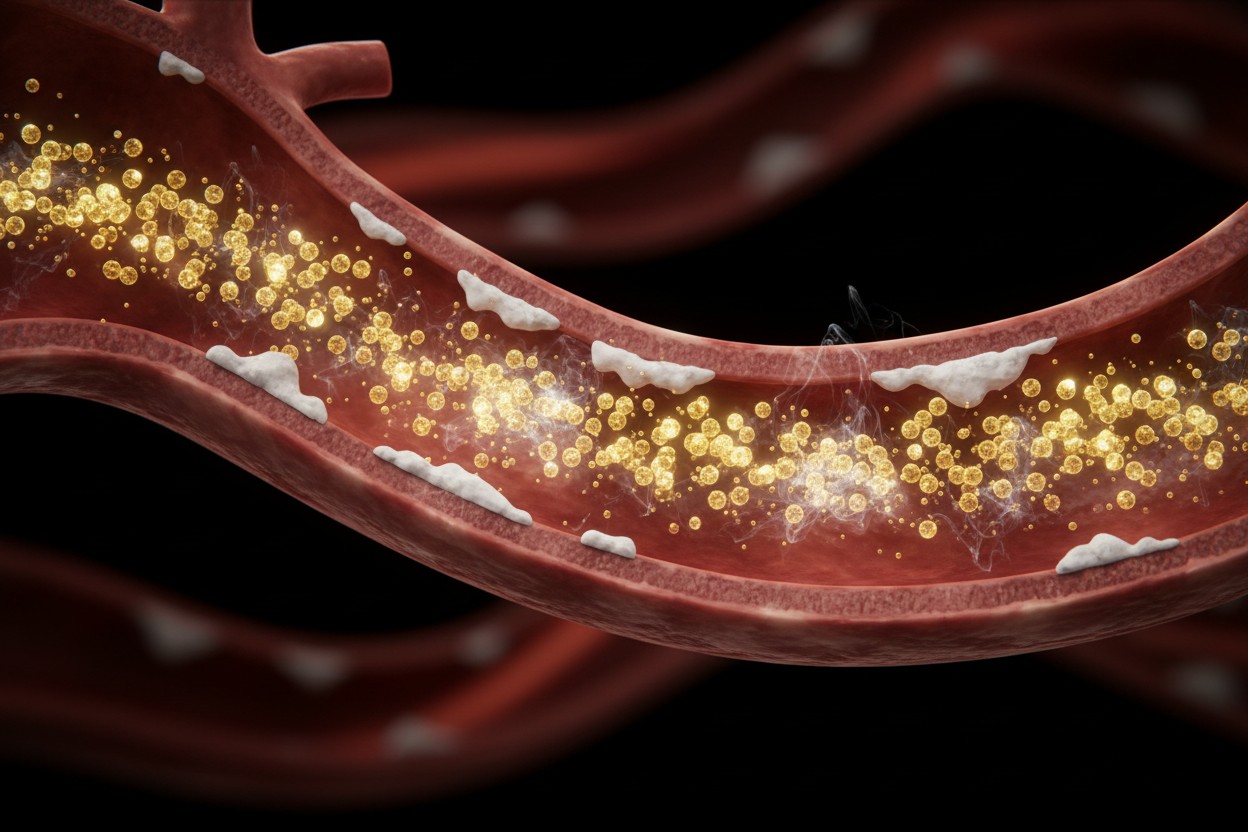
When the head rests on two standard pillows, the jugular veins along the neck are compressed. That compression increases venous backpressure, which eventually raises intraocular pressure.
Consequently, any nightly habit that creates sustained head or neck elevation may be contributing to pressure elevation that the standard clinical picture fails to capture. In addition, this same basic mechanism extends beyond pillow height alone.
Side sleeping compresses the lower eye directly against the pillow surface. Research has previously found that the dependent eye in side-sleeping glaucoma patients shows measurable IOP elevation within minutes. Moreover, eyes showing progressive damage tend to correspond with the side on which patients habitually sleep.
Together, these findings point to nighttime positioning as a meaningful yet largely overlooked dimension of glaucoma management. A typical glaucoma appointment includes a pressure measurement, visual field testing and a review of medication adherence.
A conversation about sleeping position rarely occurs. Yet for a condition where damage is silent, cumulative and irreversible, the hours spent sleeping represent a substantial portion of total lifetime optic nerve exposure.
The research community has acknowledged this gap, but the information has not translated into clinical practice. Most patients leave their ophthalmologist’s office unaware that an overnight position may either protect against or accelerate the vision loss that glaucoma silently causes over time.
Steps every person managing eye pressure can take starting tonight
Sleep flat on your back without too much pillow elevation. The study confirms that removing the excessive pillow position reduces both intraocular pressure and the venous backpressure mechanism. For people with primary open-angle glaucoma or elevated baseline pressure, sleeping flat represents a zero-cost, zero-risk adjustment that directly addresses overnight pressure dynamics.
A firm, low pillow that keeps the neck neutral without raising the head is the practical target. Support healthy ocular circulation through targeted nutritional strategies. Ocular perfusion pressure, the blood flow reaching the optic nerve, declined in the high-pillow group in this research. That finding directly links glaucoma to vascular health at the level of the eye.
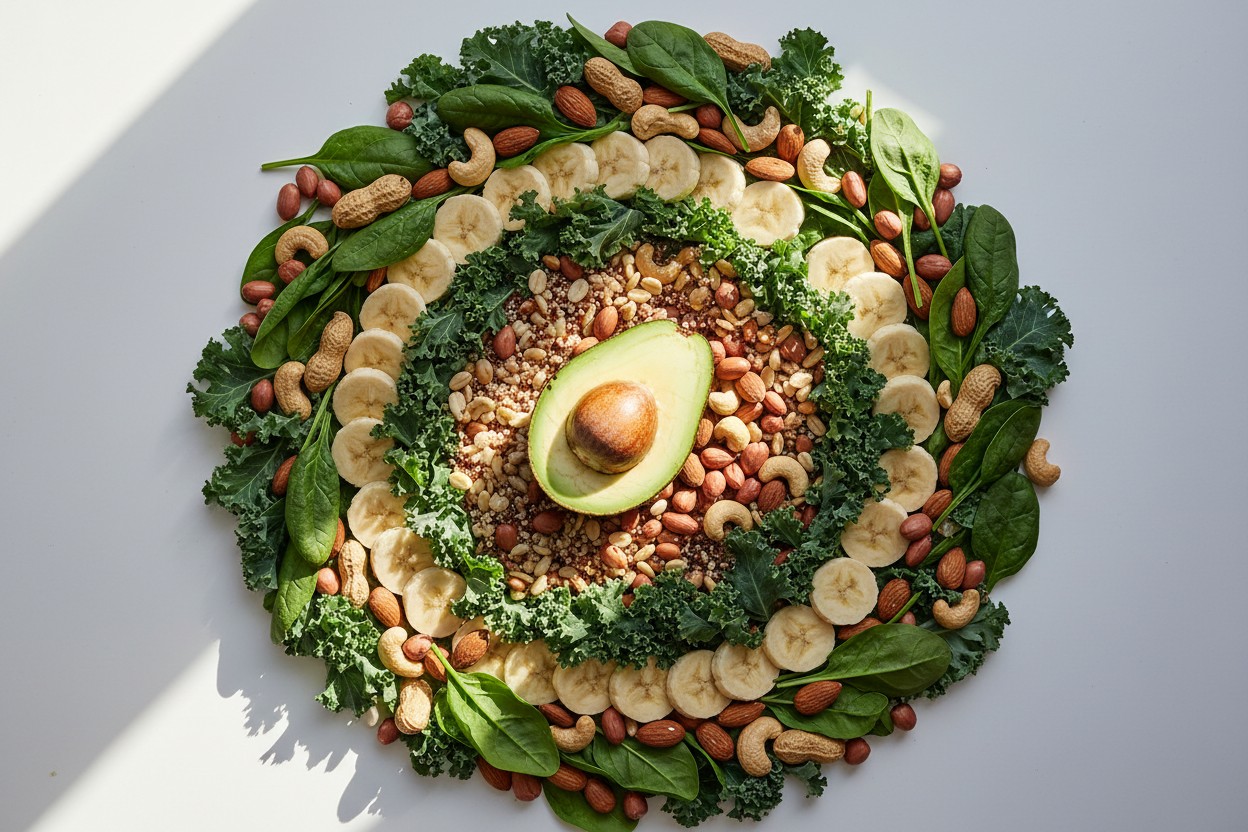
Research supports the use of omega-3 fatty acids from wild-caught fish to maintain retinal blood vessel integrity. Magnesium supports vascular tone and has shown promising effects on ocular blood flow in human studies. You can also use bilberry extract and ginkgo biloba, which have been demonstrated to improve retinal microcirculation and optic nerve perfusion in clinical research. Together, these nutrients address the vascular dimension of optic nerve protection that medication alone does not reach.
Address the full range of lifestyle factors that influence intraocular pressure. Beyond sleep position, several modifiable factors directly influence eye pressure. Sustained aerobic exercise consistently lowers intraocular pressure and improves ocular blood flow. Avoid excessive caffeine consumption which raises pressure transiently and can contribute to elevated baseline readings in sensitive individuals. Smoking damages the microvasculature of the eye and reduces the protective antioxidant defenses of retinal tissue.
The vast majority of the population will never have a conversation with their eye doctor about how they sleep. Yet, the research now makes clear that overnight positioning directly influences the very pressure readings that determine whether the condition is under control or getting worse. The choice is simple and it begins tonight: flat on your back, with a low pillow, giving your optic nerve the rest it deserves.
Watch this video about macular degeneration and the aging retina.
This video is from the Nivel Marketing Digital Top channel on Brighteon.com.
Sources include:
Submit a correction >>
Tagged Under:
Censored Science, eye health, glaucoma, health science, intraocular pressure, jugular vein, natural glaucoma management, ocular perfusion pressure, optic nerve, overnight eye pressure, pillow height, research, side sleeping, sleeping position
This article may contain statements that reflect the opinion of the author
RECENT NEWS & ARTICLES